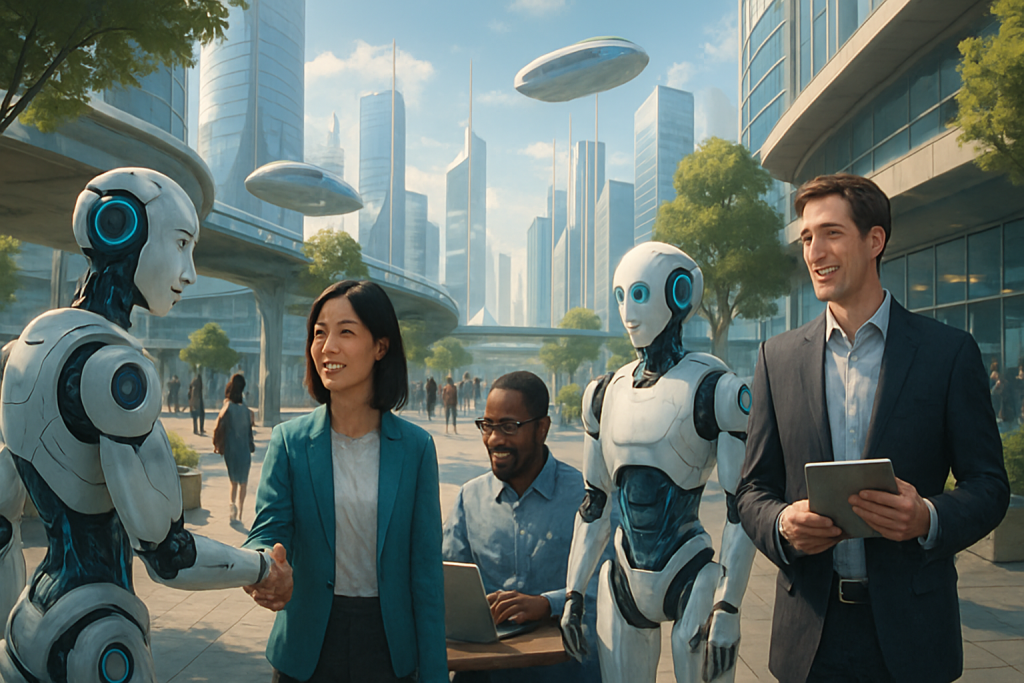

The last day of 2025 saw a tectonic shift in the AI landscape. Meta, the company that brought us the metaverse and keeps us endlessly scrolling, just dropped a bombshell: they’ve acquired Manus, a Singapore-based AI startup, for a sum rumored to be somewhere between two and three billion dollars. Think of it as Facebook buying Skynet’s little brother, except, hopefully, with slightly less world-domination aspirations.
Manus, you might recall, is the brainchild of Xiao Hong, and they’ve been quietly but diligently crafting something truly revolutionary: an autonomous AI agent capable of making decisions and planning strategies without needing a human hand on the joystick. That’s right, we’re talking about an AI that can, in theory, learn, adapt, and execute complex tasks on its own. Forget Clippy; this is more like Jarvis from Iron Man, only, again, hopefully less prone to existential crises.
But why is this acquisition such a big deal? To understand that, we need to rewind a bit.
The quest for true AI autonomy has been the holy grail of computer science for decades. We’ve seen incredible progress with machine learning, neural networks, and all sorts of fancy algorithms. But most AI still requires constant human supervision and fine-tuning. It can beat you at chess, sure, but it can’t decide what to have for dinner, let alone run a business. Manus, however, seemed to have cracked a significant piece of the puzzle, creating an AI agent that could operate with a level of independence previously relegated to science fiction. Their AI agent, which you can read about in more detail on Wikipedia, was able to perform complex real-world tasks without constant human oversight. This is a big leap from chatbots that just answer questions or algorithms that recommend what to watch next on Netflix.
Meta’s move is a clear signal of where they see the future of technology heading. Think about it: Meta has been investing heavily in the metaverse, a virtual world where users can interact, work, and play. But a truly immersive metaverse needs more than just avatars and fancy graphics. It needs intelligent agents that can populate the world, assist users, and create dynamic, personalized experiences. Manus’s technology could be the key to unlocking that potential, creating AI companions that are more than just scripted bots.
The implications for Meta are huge. Imagine autonomous AI agents managing your Facebook feed, filtering out spam and irrelevant content, or even creating personalized ads that are actually, dare I say it, helpful. Picture AI assistants in the metaverse that can guide you through virtual worlds, answer your questions, and even help you build your own virtual creations. The possibilities are endless, and Meta is clearly betting big that Manus’s technology can help them realize that vision.
Of course, this acquisition isn’t just about Meta’s metaverse ambitions. It’s also about staying ahead of the competition in a rapidly evolving AI landscape. Google, Amazon, Microsoft all are pouring billions into AI research, and the race to develop the most advanced AI technologies is heating up. Meta’s acquisition of Manus is a strategic move to secure a competitive advantage and position itself as a leader in the AI revolution.
Xiao Hong, the founder of Manus, is set to join Meta as a Vice President, a move that speaks volumes about the importance Meta places on his expertise. Hong’s leadership and vision will be crucial in integrating Manus’s technology into Meta’s existing AI infrastructure and driving the development of new AI-powered products and services. Manus will continue to operate independently out of Singapore. This is a smart move because it allows Meta to tap into the talent pool and innovation ecosystem of Southeast Asia, a region that is rapidly emerging as a hub for AI development.
But let’s not get too carried away with the excitement. The rise of autonomous AI agents also raises some serious ethical and societal questions. What happens when AI makes decisions that have real-world consequences? Who is responsible when an AI makes a mistake? How do we ensure that AI is used for good and not for malicious purposes? These are questions that we, as a society, need to grapple with as AI becomes more and more integrated into our lives.
The financial ramifications of this deal are also worth considering. A valuation between $2 and $3 billion is nothing to sneeze at. This acquisition will likely send ripples through the AI investment community, further fueling the already intense competition for AI talent and startups. We can expect to see even more mergers and acquisitions in the AI space as tech giants scramble to acquire the technologies and expertise they need to stay ahead of the curve.
Meta’s acquisition of Manus is more than just a business transaction; it’s a sign of the times. It signals a future where AI is not just a tool, but a partner, capable of making decisions and shaping our world in profound ways. Whether that future is a utopia or a dystopia remains to be seen, but one thing is clear: the AI revolution is here, and it’s only just getting started. So buckle up, folks, because the ride is going to be wild. And maybe, just maybe, start brushing up on your Asimov’s Laws of Robotics.
Discover more from Just Buzz
Subscribe to get the latest posts sent to your email.