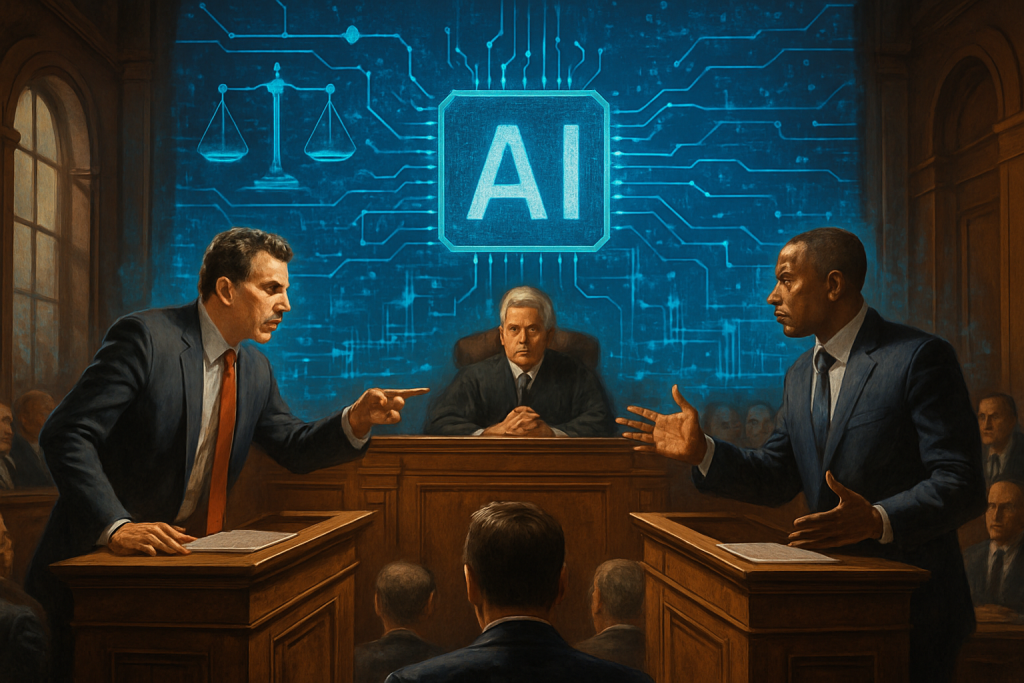

Picture this: It’s November 25, 2025. The air is crisp, pumpkin spice lattes are (thankfully) a distant memory, and the hot topic isn’t the latest celebrity feud, but something far more consequential: the future of AI regulation in America. Thirty-five states, plus the District of Columbia, have just sent a clear message to Congress: Hands off our AI laws!
Led by New York’s Attorney General Letitia James and a bipartisan posse that includes North Carolina, Utah, and New Hampshire, these legal eagles are essentially saying, “We got this.” Their concern? The unchecked power of AI and the potential for harm if left completely unregulated. Think Terminator, but with less Arnold Schwarzenegger and more algorithmic bias leading to, say, discriminatory loan applications or AI-generated deepfakes wreaking havoc on reputations. It’s a brave new world, and these AGs aren’t about to let it become a dystopian one.
This isn’t just some knee-jerk reaction. It’s the culmination of years of growing unease about AI’s rapid advancement and the glaring lack of federal action. Remember the early days of the internet? The Wild West where anything went? We’re seeing a similar scenario unfold with AI, and these attorneys general are determined to avoid repeating past mistakes.
The crux of the issue is state autonomy. These AGs believe they’re best positioned to understand and address the unique needs and concerns of their residents. They argue that a patchwork of state-level regulations is better than no regulation at all, especially with federal efforts seemingly stuck in neutral. It’s like trying to herd cats- each state has its priorities and concerns when it comes to AI. For example, what might be a critical issue in Silicon Valley might be different from a concern in rural America.
But why is this happening now? What’s the backstory?
Well, it all boils down to a classic power struggle. On one side, you have the states, eager to protect their citizens. On the other, you have major tech players like OpenAI, Google, Meta, and the venture capital behemoth Andreessen Horowitz. These companies, unsurprisingly, are pushing for a unified national approach. Their argument? A single set of rules is more efficient, less confusing, and fosters innovation. It’s the “one ring to rule them all” approach to AI regulation. And, let’s be honest, it probably makes their lives a lot easier from a compliance standpoint.
However, the states aren’t buying it. They see a national standard as a potential race to the bottom, where regulations are watered down to appease the tech giants. They’ve already started taking action, passing laws that tackle everything from AI-generated sexual content (a growing problem, sadly) to political disinformation and discrimination in crucial areas like housing, employment, and education. California, always a trendsetter, is leading the charge with sweeping regulations set to take effect in 2026, demanding transparency and rigorous risk management from AI developers.
The political landscape adds another layer of complexity. The Trump administration has been actively trying to block state AI laws, using national defense legislation and even hinting at legal challenges. It’s a clash of ideologies: states’ rights versus federal control, innovation versus regulation. The Senate, however, seems to be siding with the states, having previously voted overwhelmingly (99-1!) against halting state AI laws. That’s a level of bipartisan agreement you rarely see these days. It suggests a widespread recognition that states need to have a say in how AI is governed.
So, what are the implications of this showdown? What happens next?
The immediate impact is a legal and political battleground. Expect lawsuits, lobbying, and plenty of heated debates in Congress and state legislatures. The tech companies will likely continue to push for a national standard, while the states will fight to maintain their autonomy. It’s a high-stakes game with potentially huge consequences for the future of AI and its role in our lives.
But the long-term implications are even more profound. If the states prevail, we could see a fragmented regulatory landscape, with different rules in different states. This could stifle innovation, increase compliance costs for businesses, and create confusion for consumers. On the other hand, it could also lead to more tailored and effective regulations that address the specific needs of each state. Imagine a world where AI-powered healthcare is regulated differently in New York than in Texas, reflecting the unique demographics and healthcare systems of each state.
From an ethical perspective, this debate raises fundamental questions about the role of government in regulating technology. How do we balance the need to protect consumers and prevent harm with the desire to foster innovation and economic growth? Should AI be treated differently than other technologies, given its potential to transform society in profound ways?
Financially, the stakes are enormous. AI is poised to be a multi-trillion-dollar industry, and the way it’s regulated will have a significant impact on which companies thrive and which ones falter. A patchwork of state laws could create winners and losers, favoring companies that are nimble and adaptable enough to navigate the complex regulatory landscape. It could also drive investment to states with more favorable regulatory environments.
Ultimately, the fight over AI regulation is a battle for the soul of the digital age. It’s a question of who gets to decide how this powerful technology is used and what safeguards are in place to protect us from its potential harms. Will it be a top-down, centralized approach driven by tech giants and the federal government? Or a bottom-up, decentralized approach led by the states and their citizens? Only time will tell, but one thing is clear: the future of AI is being shaped right now, and the choices we make today will have a lasting impact on the world of tomorrow.
Discover more from Just Buzz
Subscribe to get the latest posts sent to your email.