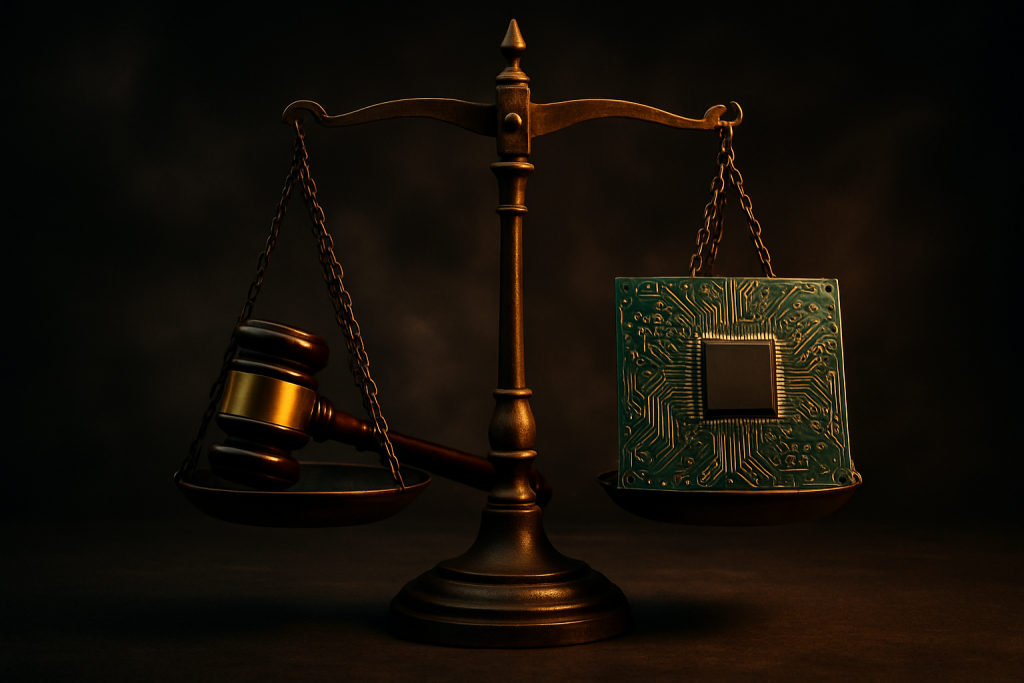

Remember the Wild West? Picture saloons, dusty streets, and a distinct lack of rules. Now, replace the horses with algorithms, the saloons with server farms, and you’ve got a pretty good picture of the early days of the AI revolution. But just like the Wild West eventually needed sheriffs and laws, so too does the burgeoning world of artificial intelligence. The question is, are we building a system of justice, or just accidentally creating a digital dystopia? A new report, “The AI Terrible Ten: The Worst State AI Policies and Four Better Models to Balance Safety and Innovation,” released jointly by the R Street Institute and the American Consumer Institute, suggests we might be leaning a little too heavily towards the latter.
The report, released on March 15, 2026, isn’t just another dry policy paper. It’s a wake-up call. It shines a spotlight on ten state-level AI regulations that, while well-intentioned, are essentially throwing sand in the gears of innovation. These aren’t regulations aimed at preventing Skynet; they’re often knee-jerk reactions to complex issues, potentially doing more harm than good. Think of it like trying to swat a fly with a sledgehammer- you might get the fly, but you’ll also leave a pretty big dent in the wall.
So, how did we get here? Well, the AI genie is out of the bottle, and it’s granting wishes faster than anyone predicted. From self-driving cars to AI-powered medical diagnoses, the technology is evolving at warp speed. Naturally, governments are scrambling to keep up. But as the report points out, sometimes the best thing to do is take a breath, do your homework, and avoid hasty decisions. The alternative is a patchwork of conflicting regulations that stifle innovation and create a compliance nightmare for anyone trying to build or deploy AI.
One of the prime examples cited in the report is Colorado’s Consumer Protection for Artificial Intelligence Act, signed into law back in May 2024. On paper, it sounds noble- protecting consumers from “algorithmic discrimination.” But the devil, as always, is in the details. The act’s broad and ambiguous definitions of terms like “high-risk” and “algorithmic discrimination” are causing major headaches for businesses. Imagine trying to navigate a minefield blindfolded. That’s what it’s like for AI developers trying to comply with this law. They’re constantly worried about stepping on a legal landmine.
The report doesn’t just wag its finger at bad policies; it also delves into the potential economic consequences. The Common Sense Institute estimates that Colorado’s AI law alone could lead to a staggering 40,000 job losses and a $7 billion reduction in economic output by 2030. That’s a hefty price to pay for well-intentioned, but ultimately flawed, regulation. It’s like that episode of *The Simpsons* where Homer tries to fix the nuclear reactor and accidentally causes a meltdown. Good intentions, disastrous results.
But it’s not all doom and gloom. The report offers a glimmer of hope, pointing to states like Montana and Utah as examples of how to strike a better balance between fostering innovation and ensuring safety. These states have adopted a more measured and thoughtful approach, focusing on principles-based regulation rather than prescriptive rules. They understand that AI is a rapidly evolving field, and that regulations need to be flexible and adaptable. It’s a bit like the difference between writing a rigid contract and establishing a set of guiding principles- one is brittle and breaks easily, the other bends but doesn’t break.
The implications of this report extend far beyond the borders of Colorado or any other specific state. It’s a crucial contribution to the ongoing national conversation about AI governance. It reminds us that we need to be careful about how we regulate this powerful technology. We need to avoid the temptation to over-regulate, which could stifle innovation and hand the advantage to other countries that are taking a more laissez-faire approach. But we also can’t afford to ignore the potential risks and ethical considerations. It’s a tightrope walk, but one we need to navigate carefully if we want to reap the benefits of AI without falling into the abyss.
In the end, “The AI Terrible Ten” is more than just a report; it’s a call to action. It’s a reminder that we have a responsibility to shape the future of AI in a way that benefits all of humanity. And that requires thoughtful, informed policy decisions that prioritize both innovation and safety. Let’s hope policymakers are listening. The future of AI, and perhaps the future of our economy, depends on it.
Discover more from Just Buzz
Subscribe to get the latest posts sent to your email.