
The year is 2026. Flying cars? Still a pipe dream. Robot butlers who understand sarcasm? Maybe next decade. But one thing is here, and it’s woven into the very fabric of our lives: Artificial Intelligence. From predicting traffic patterns to flagging potential security threats, AI is quietly running the show. Or, at least, it’s trying to. But a recent survey suggests a rather alarming truth: most of us aren’t paying attention.
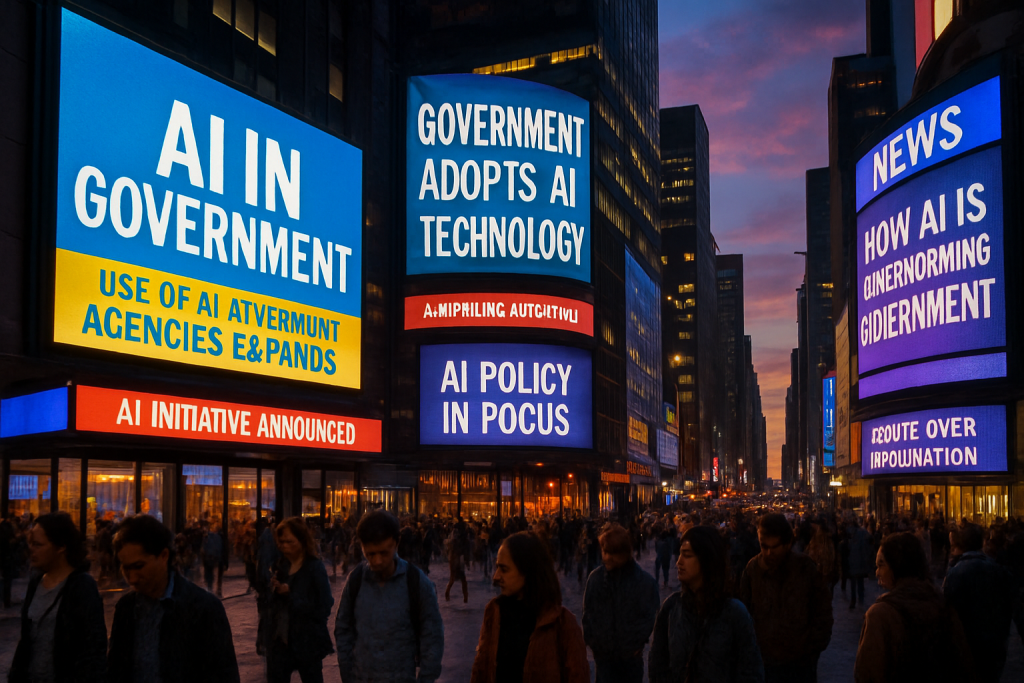
The Napolitan News Service dropped a bombshell earlier this week, a survey revealing a collective shrug of the shoulders when it comes to AI’s role in government. Picture this: you’re watching the news, and instead of the usual political squabbles, you see a headline: “AI Running the Country – Are You Even Paying Attention?” According to the NNS, a whopping 53% of registered voters are either “not very closely” or “not at all closely” following news about AI programs used by the U.S. government. Only a measly 15% are keeping a hawk-like watch. That’s right, folks, more people are obsessed with the latest season of “Mars Colony Housewives” than with the algorithms shaping our future.
Now, before we all start panicking and hoarding canned goods (again), let’s unpack this. Why the collective apathy? What does it mean? And, perhaps most importantly, how can we fix it?
The Roots of Disengagement: Apathy or Overload?
To understand the present, we need to peek into the past. The AI revolution didn’t happen overnight. It’s been a slow burn, a gradual creep into our lives. Remember back in the early 2020s when AI was mostly about quirky chatbots and self-driving car prototypes that kept crashing into traffic cones? Back then, it was easy to dismiss as futuristic fluff. But then things got serious. AI started powering everything from loan applications to criminal justice algorithms. It became less visible, but far more impactful. Think of it like the Force in Star Wars – always there, always influencing things, but only a few Jedi (or in this case, data scientists) truly understand how it works.
This gradual integration, coupled with a constant barrage of information, has led to a kind of “AI fatigue.” We’re bombarded with news about deepfakes, job displacement, and sentient robots (which, thankfully, haven’t materialized yet). It’s overwhelming! Is it any wonder people are tuning out? It’s like trying to understand the plot of “Inception” after drinking three espressos and running a marathon. Your brain just says, “Nope. Not today.”
The Implications: A Democracy in the Dark?
So, what happens when the electorate is blissfully ignorant of the AI systems making decisions that affect their lives? Well, a few things, none of them good.
First, it creates a vacuum for misinformation. Remember that whole “fake news” debacle of the 2010s? Imagine that, but amplified by AI-generated propaganda and targeted at an audience that doesn’t even realize they’re being manipulated. It’s a dystopian nightmare straight out of a William Gibson novel.
Second, it undermines accountability. How can we hold our elected officials responsible for the AI systems they deploy if we don’t even know those systems exist? It’s like trying to critique a movie you haven’t seen. We need informed citizens to demand transparency and ethical guidelines for AI development and deployment. Otherwise, we’re essentially giving the government a blank check to use AI however they see fit.
Third, it stifles innovation. A healthy democracy thrives on debate and diverse perspectives. If only a small fraction of the population is engaged in the conversation about AI, we’re missing out on valuable insights and potential solutions. We need artists, philosophers, and everyday citizens to weigh in on the ethical and societal implications of AI, not just tech bros in Silicon Valley.
Bridging the Gap: Education and Engagement
Okay, so the situation is dire. But not hopeless! There are things we can do to bridge this information gap and empower citizens to engage with AI in a meaningful way.
First, we need better public education. Not just dry, academic lectures, but engaging, accessible content that explains how AI works and how it affects our lives. Think “AI for Dummies” meets “Schoolhouse Rock!” We need to demystify the technology and make it less intimidating. Imagine a series of short, animated videos explaining AI concepts using relatable examples. Or interactive simulations that allow people to experiment with AI algorithms and see the consequences of their choices.
Second, we need more transparency from the government and media outlets. Agencies should be required to disclose the AI systems they use, how those systems work, and what safeguards are in place to prevent bias and abuse. News organizations need to move beyond sensationalist headlines and provide in-depth reporting on the ethical and societal implications of AI. Think less “Killer Robots Take Over the World!” and more “How AI is Reshaping the Criminal Justice System.”
Third, we need to foster a culture of critical thinking. We need to teach people how to evaluate information, identify biases, and ask tough questions. We need to encourage skepticism, not cynicism. Think of it as equipping people with a mental “BS detector” that can sniff out misinformation and manipulation. This isn’t just about AI; it’s about building a more informed and resilient citizenry.
The Future is Now: Wake Up and Smell the Algorithms
The AI revolution is here, whether we’re ready or not. It’s not some distant, futuristic fantasy; it’s happening right now. And if we want to shape that future, we need to wake up, pay attention, and get involved. We can’t afford to let the algorithms run the show without our input. The future of democracy may depend on it. So, turn off “Mars Colony Housewives” for a few minutes, do some research, and join the conversation. Your voice matters. The robots may not be listening yet, but the rest of us are.
Discover more from Just Buzz
Subscribe to get the latest posts sent to your email.