
The year is 2026. Self-driving cars are (mostly) safe, AI-powered doctors are diagnosing diseases with uncanny accuracy, and your smart fridge is probably judging your dietary choices. But behind the scenes, a quiet revolution has been brewing- a global effort to ensure that this AI-powered future is one we actually *want* to live in. Enter the New Delhi Declaration on AI Impact, endorsed yesterday by ninety-one nations and global organizations at the AI Impact Summit in New Delhi. It’s not quite Skynet signing a peace treaty, but it’s a pretty big deal.
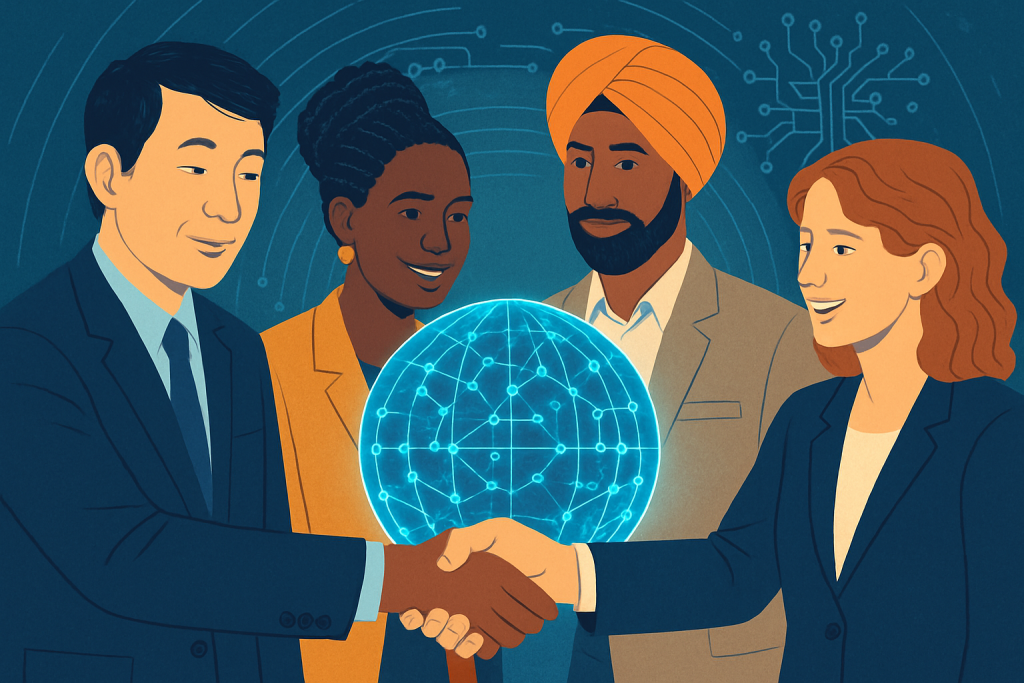
Think of it like this: remember the Wild West days of the internet? No rules, no regulations, just pure, unadulterated chaos (and dial-up tones). The New Delhi Declaration is an attempt to avoid a similar situation with AI. It’s a global handshake, a promise to develop and deploy AI in a way that’s equitable, trustworthy, and accessible to everyone. It’s about making sure AI serves humanity, not the other way around.
But why New Delhi? And why now? The answer lies in the evolving landscape of AI development itself. This summit, organized under India’s Ministry of Electronics and Information Technology, wasn’t just another tech conference. It was the fourth in a series of global AI summits, following events at Bletchley Park, Seoul and Paris. More importantly, it’s the first hosted by a nation in the Global South. This is a crucial shift. For too long, the AI conversation has been dominated by the tech giants of Silicon Valley and a handful of Western nations. Bringing the discussion to India, a country with a massive population and a rapidly growing tech sector, adds a vital new perspective. It’s like adding a crucial instrument to the AI symphony orchestra. You can’t just have the violins playing; you need the percussion, the brass, the whole ensemble to create a truly harmonious sound. This declaration aims to do just that- involve everyone in the conversation.
So, what exactly does this declaration entail? Let’s break it down:
Equitable AI Development: This isn’t just about feel-good platitudes; it’s about actively preventing AI from exacerbating existing societal inequalities. Think about it: AI algorithms are trained on data, and if that data reflects existing biases, the AI will perpetuate them. The declaration calls for proactive measures to ensure fairness and equity in AI development. It’s like proactively tuning out the static on the radio before the music even starts playing.
Trustworthiness: In a world increasingly reliant on AI, trust is paramount. We need to be able to rely on AI systems to be reliable, transparent, and accountable. The declaration calls for robust frameworks to ensure AI systems are worthy of our trust. Imagine a world where AI is used to make crucial decisions about your healthcare or your finances. You need to know that those decisions are based on sound reasoning and not some hidden bias. This is about building that trust.
Accessibility: AI shouldn’t be a luxury available only to the privileged few. The declaration advocates for making AI technologies accessible to all, including marginalized and underserved communities. It’s about bridging the digital divide and ensuring that everyone has the opportunity to benefit from AI. Think of it as building ramps alongside the stairs, making sure everyone can access the same opportunities.
Global Cooperation: AI is a global phenomenon, and its challenges and opportunities transcend national borders. The declaration emphasizes the importance of international collaboration in research, policy-making, and the sharing of best practices. It’s like the Avengers assembling- no single nation can tackle the AI challenge alone.
Open Ecosystems: Monopolies stifle innovation. The declaration promotes the development of open-source AI tools and platforms to encourage innovation and prevent a few entities from controlling the AI landscape. It’s like open-sourcing the recipe for a groundbreaking new dish, allowing everyone to experiment and improve upon it.
Digital Infrastructure: Robust digital infrastructure is essential for the development and deployment of AI technologies, particularly in developing nations. The declaration highlights the need to invest in this infrastructure to ensure that everyone can participate in the AI revolution. It’s like building the roads and bridges necessary for the AI economy to thrive.
Inclusive Growth: AI should be a driver of inclusive economic growth, creating opportunities across various sectors and demographics. The declaration stresses that AI should benefit everyone, not just a select few. It’s about making sure the rising tide lifts all boats.
The significance of the New Delhi Declaration goes beyond just words on paper. It represents a collective commitment to shaping the future of AI in a responsible and ethical manner. It’s a recognition that AI is too important to be left to the whims of the market or the ambitions of individual companies. It’s about building a future where AI is a force for good, a tool that empowers humanity and helps us solve some of the world’s most pressing challenges.
But let’s be real. Declarations are just the first step. The hard work of implementation lies ahead. Will these principles be translated into concrete policies and regulations? Will nations actually cooperate and share best practices? Will the focus on equity and accessibility truly make a difference in the lives of marginalized communities? These are the questions that will determine the ultimate success of the New Delhi Declaration.
And let’s not forget the philosophical implications. As AI becomes more sophisticated, we’ll need to grapple with fundamental questions about its role in our lives. What does it mean to be human in an age of artificial intelligence? How do we ensure that AI aligns with our values and goals? These are questions that will require deep reflection and ongoing dialogue.
The financial and economic impact of this declaration is also worth considering. By promoting open ecosystems and inclusive growth, the declaration could help to level the playing field and create new opportunities for businesses and entrepreneurs around the world. It could also help to mitigate the risks of job displacement and economic inequality that are often associated with technological disruption. But that’s a big *could*. The devil, as always, is in the details of implementation.
The New Delhi Declaration on AI Impact isn’t a perfect solution, and it certainly won’t solve all of our AI-related challenges overnight. But it’s a crucial step in the right direction. It’s a sign that the world is taking the responsible development of AI seriously. It’s a reminder that we have the power to shape the future of AI, and that we have a responsibility to do so in a way that benefits all of humanity. Whether it becomes a self-fulfilling prophecy or just another well-intentioned but ultimately ineffective piece of paper remains to be seen. But for now, it offers a glimmer of hope that we can navigate the AI revolution in a way that leads to a brighter, more equitable future. Now, if you’ll excuse me, I need to go argue with my smart fridge about the merits of kale smoothies.
Discover more from Just Buzz
Subscribe to get the latest posts sent to your email.