April 8, 2026: The Day Silicon Valley’s Walled Gardens Crumbled

April 8, 2026: The Day Silicon Valley’s Walled Gardens Crumbled

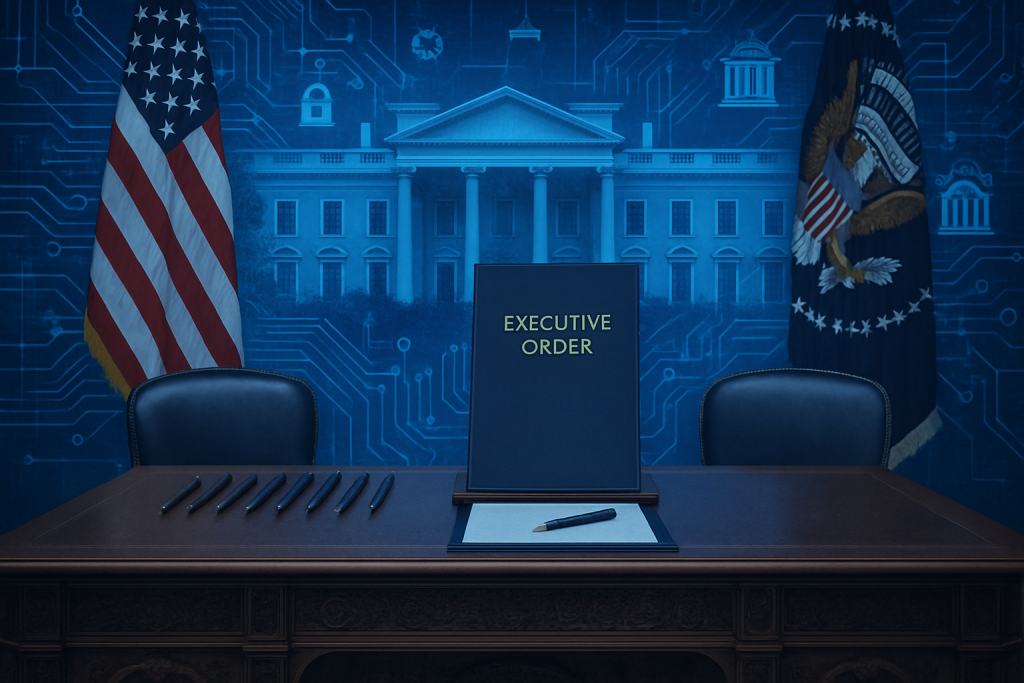
The date is April 8, 2026. Remember that day, folks, because it might just be the day the AI landscape shifted forever. The Federal Trade Commission (FTC), in a move that’s sending ripples through Silicon Valley faster than a bad meme goes viral, has dropped a bombshell: “AI Interoperability” is now the law of the land, at least for the big players like Microsoft and Alphabet. Think of it as the AI equivalent of breaking up the phone company, but with more robots and fewer rotary dials.

But what does “AI Interoperability” even mean? And why should you, a discerning reader of Just Buzz, care? Let’s dive in, shall we?

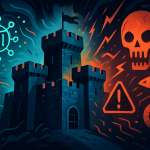
For years, the tech giants have been building what can only be described as digital “walled gardens.” They develop these amazing AI models, like the ones that power your smart assistants or analyze your cat photos with unnerving accuracy, and then they tightly integrate them with their own cloud infrastructure. It’s like buying a super cool Lego set, only to find out you can only build it on a specific brand of plastic bricks. Want to move your meticulously crafted AI creation to a different platform? Good luck with that. Technical hurdles, exorbitant fees, and a general air of corporate reluctance have made it a nightmare for enterprise customers.

This “vendor lock-in,” as the suits like to call it, has stifled competition and innovation. Smaller AI companies, lacking the resources to build their own complete ecosystems, have struggled to compete. Businesses have been forced to choose between the convenience of sticking with a single vendor and the potential benefits of exploring alternative AI solutions. It’s a classic “Sophie’s Choice,” but with algorithms instead of children.

The FTC Steps In: Breaking Down the Walls

Enter the FTC, stage left, wielding a regulatory hammer. Their ruling specifically targets those aforementioned large-cap AI providers, Microsoft and Alphabet. The directive is clear: these companies must now ensure that enterprise customers can move their fine-tuned AI models, prompts, and associated data across different cloud platforms without encountering technical difficulties or financial penalties. They’re essentially being told to open up their gardens and let the other kids play.

The ruling goes even further, requiring these companies to decouple their AI model layers from their cloud hosting services. Imagine separating the engine from the car. This separation promotes a more competitive market, where businesses can pick and choose the best AI model for their needs, regardless of where it’s hosted. It’s like finally being able to put that Ferrari engine in your DeLorean. Great Scott, indeed!

Implications: A New Era for AI?

So, what does this all mean for the future of AI? The implications are potentially huge.

First, expect a shakeup in the market dynamics. By breaking down the vertical integration of AI models and cloud services, the FTC is hoping to prevent a “winner-take-all” scenario. This levels the playing field, allowing smaller AI and cloud service providers to compete more effectively. Think of it as an underdog story, like “Rocky” but with code instead of punches.

Second, increased interoperability should lead to greater innovation and consumer choice. Businesses will be free to select AI services that best fit their unique needs, without being tied to a particular cloud provider. This freedom will foster experimentation and drive the development of new and improved AI solutions. Imagine a world where you can mix and match AI components to create the perfect custom solution for your business. The possibilities are endless.

Third, this ruling sets a precedent for regulatory bodies around the world. It signals a growing awareness of the need to ensure fair competition and prevent monopolistic practices in the rapidly evolving AI sector. Other countries are likely to follow suit, creating a global movement towards AI interoperability. This could be the start of a whole new chapter in the regulation of artificial intelligence.

The Industry Responds (With Varying Degrees of Enthusiasm)

The initial industry response has been predictable. The tech giants, while publicly stating their commitment to compliance, are undoubtedly reassessing their business models and strategies. They’ve built their empires on vendor lock-in, and now they’re being forced to dismantle the walls. It’s like telling Sauron he has to share the One Ring with everyone.

Smaller AI and cloud service providers, on the other hand, are ecstatic. They see this ruling as a golden opportunity to gain market share and challenge the dominance of the tech giants. They’re like the Rebel Alliance, finally getting a shot at taking down the Death Star.

Beyond the Bottom Line: Ethical and Philosophical Considerations

But this ruling is about more than just market share and profit margins. It raises deeper ethical and philosophical questions about the role of AI in society. Who controls AI? Should a few powerful companies have a monopoly on this transformative technology? Or should AI be a shared resource, accessible to all?

The FTC’s decision suggests a move towards the latter. It recognizes that AI is too important to be left in the hands of a few. By promoting interoperability, the FTC is fostering a more democratic and equitable AI ecosystem. It’s a small step, but a significant one, towards ensuring that AI benefits all of humanity, not just a select few.

The financial impact remains to be seen, but analysts predict a significant redistribution of wealth in the AI sector. Smaller companies could see their valuations skyrocket, while the tech giants may experience a period of adjustment. The stock market is already reacting, with shares of smaller AI firms jumping on the news. It’s going to be a wild ride, folks. Buckle up.

So, there you have it. The FTC’s April 8, 2026, ruling on AI interoperability is a game-changer. It’s a victory for competition, innovation, and consumer choice. It’s a sign that regulators are finally waking up to the potential dangers of AI monopolies. And it’s a reminder that even in the age of algorithms, human ingenuity and determination can still prevail. Now, if you’ll excuse me, I’m going to go fine-tune my AI model to predict the next big regulatory shakeup. You know, for purely journalistic purposes, of course.


Discover more from Just Buzz

Subscribe to get the latest posts sent to your email.