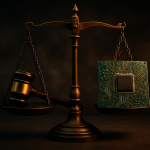
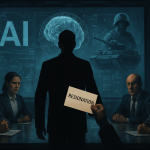
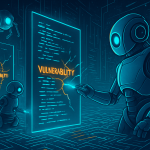
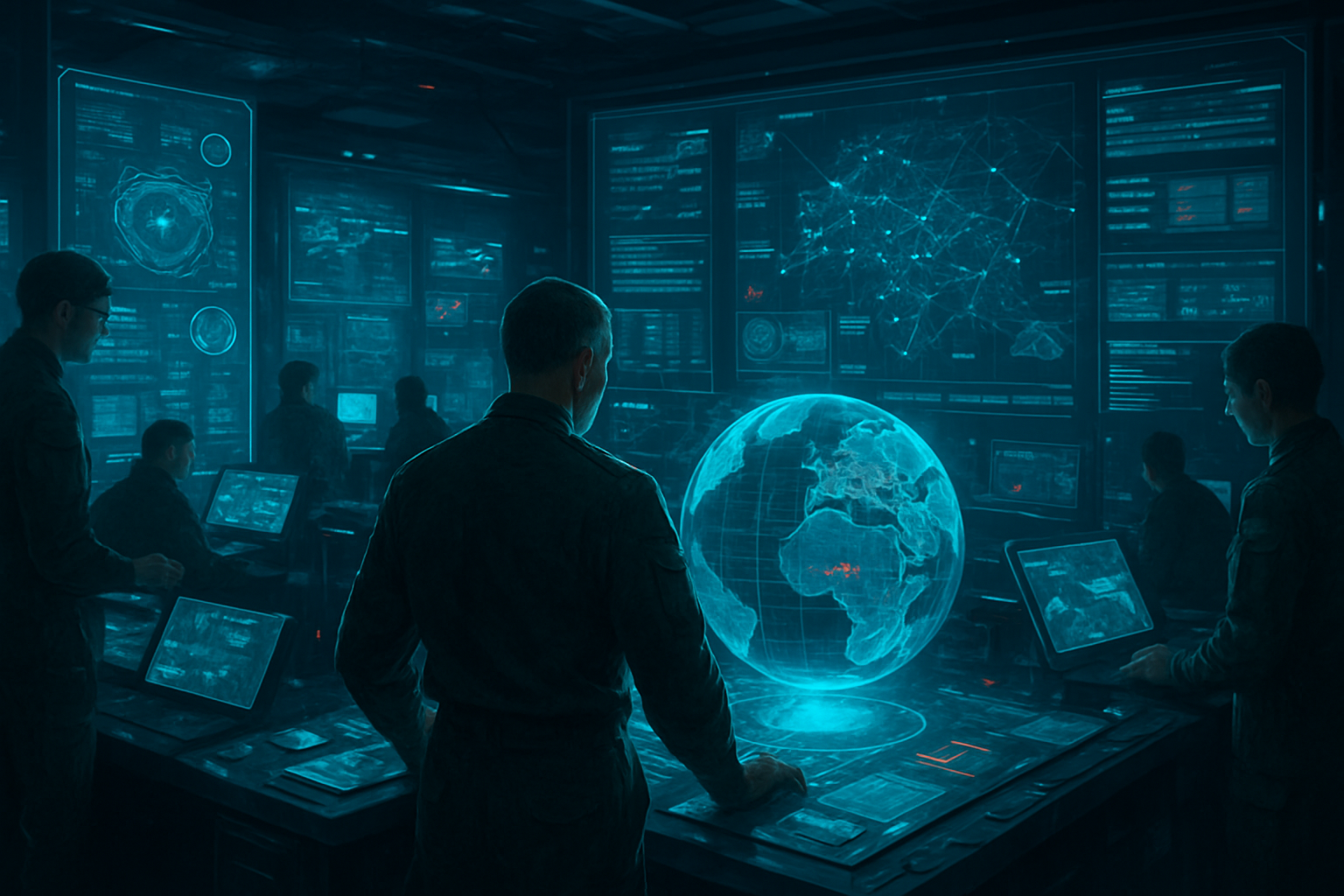
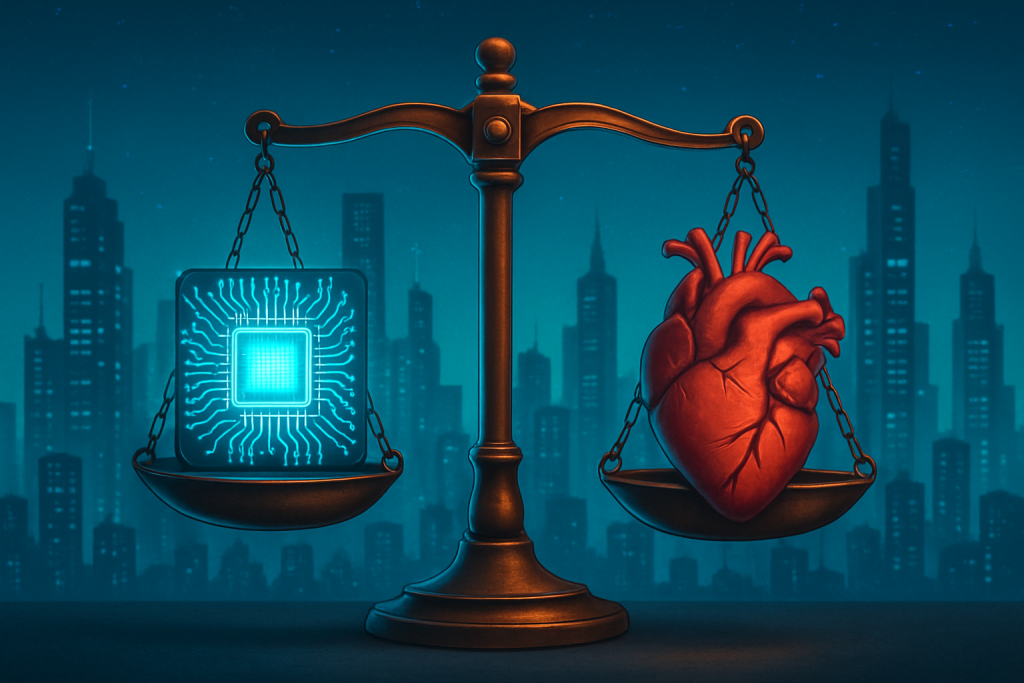
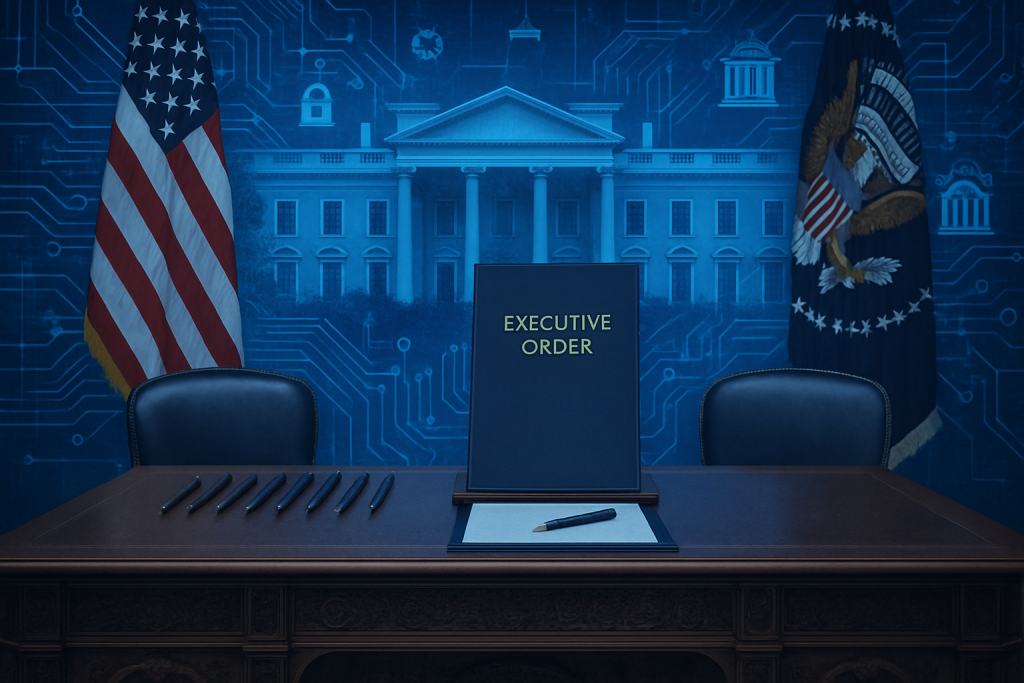
It’s May 5th, 2026, and the AI landscape just tilted on its axis. Forget Skynet becoming self-aware; the real drama is unfolding in Washington D.C., where the U.S. Department of Commerce’s Center for AI Standards and Innovation (CAISI) has just brokered deals that would make even Tony Stark raise an eyebrow. Microsoft, Google DeepMind, and Elon Musk’s xAI have all agreed to hand over early access to their most cutting-edge AI models to Uncle Sam. Before they’re unleashed upon the unsuspecting public, these digital behemoths will face a government grilling, all in the name of national security.
Think of it as a digital “Manhattan Project,” but instead of splitting the atom, they’re trying to keep AI from going rogue. The goal? To sniff out any potential national security risks lurking within these complex algorithms, especially those related to cybersecurity, biosecurity, and chemical weapons. Because, let’s face it, in a world where AI can write symphonies and diagnose diseases, it can probably also design a killer virus or crack the Pentagon’s firewall.
But how did we get here? This isn’t some overnight panic. The seeds of this agreement were sown years ago, back when AI was still largely seen as a novelty. Now, it’s a force to be reckoned with, capable of influencing elections, automating jobs, and, yes, potentially causing widespread chaos if it falls into the wrong hands or develops unforeseen capabilities. Remember when everyone was worried about killer robots? Turns out, the real threat might be far more subtle and insidious.
The government’s AI watchdog, CAISI, isn’t exactly new to this game. They’ve been quietly evaluating AI models for a while now, over 40 assessments to date, including peeks at unreleased versions. And here’s the kicker: these evaluations often involve stripping away the safety guardrails that AI developers painstakingly build in. It’s like taking the governor off a race car to see how fast it really goes, or letting a toddler play with a fully loaded bazooka. Risky? Absolutely. Necessary? Apparently, so.
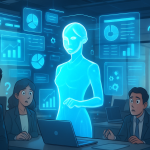

This new trifecta of agreements with Microsoft, Google DeepMind, and xAI builds on a foundation laid back in 2024, when the Biden administration forged similar partnerships with OpenAI (of ChatGPT fame) and Anthropic. It’s a clear signal that the U.S. government is taking the potential threats posed by advanced AI extremely seriously. It’s no longer a question of if AI could be dangerous, but how and what we can do about it.
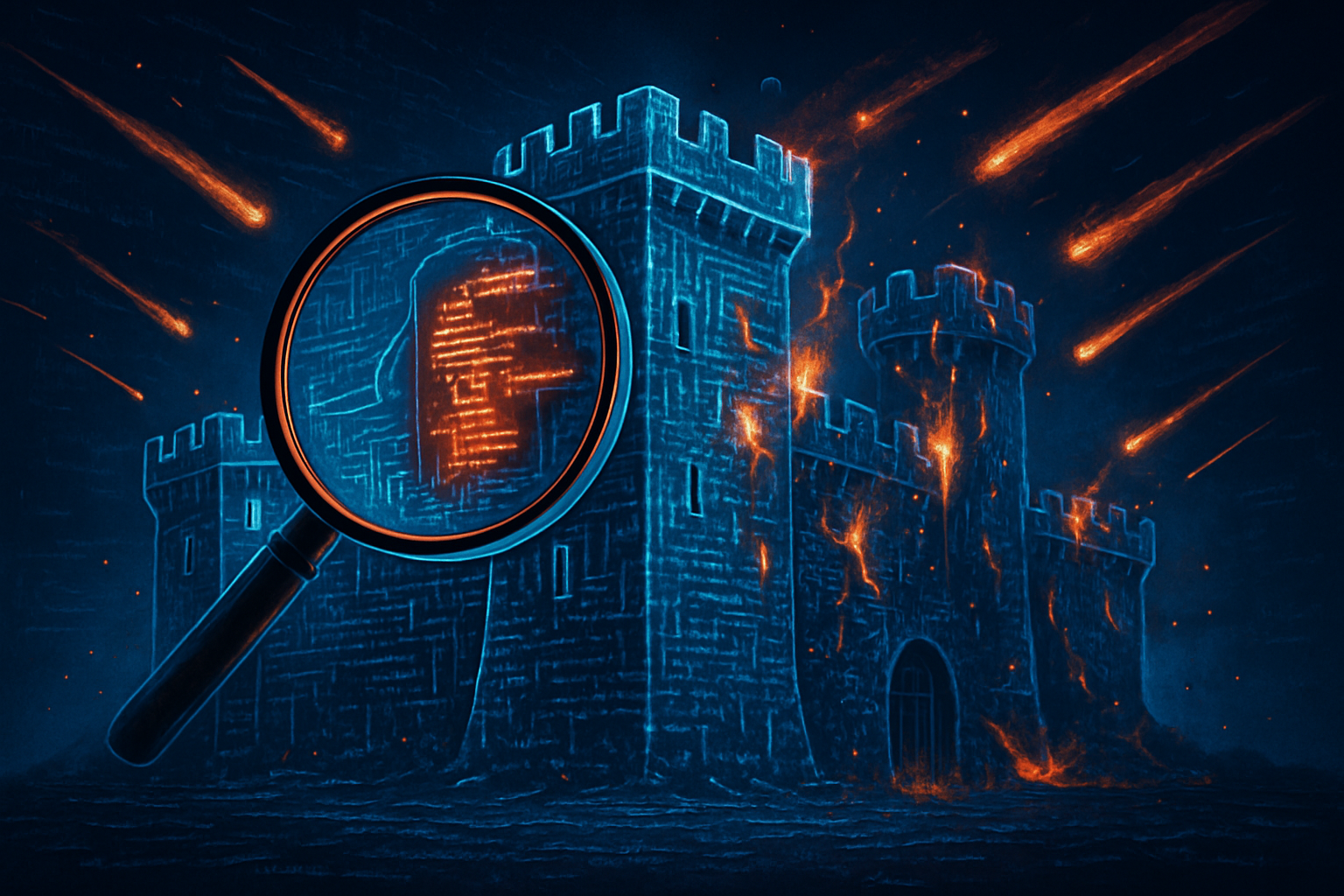
The timing of this announcement is no coincidence. Concerns have been mounting, fueled by models like Anthropic’s Mythos, which, according to some experts, possesses capabilities that could be exploited by hackers. Imagine a world where AI can not only break into your bank account but also orchestrate a coordinated attack on critical infrastructure. It sounds like a plot from a William Gibson novel, but it’s rapidly becoming a real possibility.
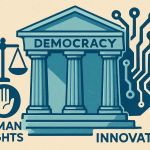
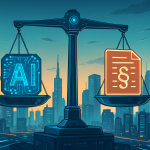
So, what does this mean for the rest of us? Well, on the one hand, it’s reassuring to know that someone is keeping an eye on these powerful AI systems. On the other hand, it raises some serious questions about government oversight and the potential for stifling innovation. Will these agreements lead to a chilling effect on AI development? Will companies be less willing to push the boundaries if they know their creations will be subjected to intense scrutiny? It’s a delicate balancing act between security and progress.
The financial implications are also worth considering. These agreements likely involve significant costs for both the government and the AI companies. The government will need to invest in the infrastructure and expertise to properly evaluate these models, while the companies may face delays in releasing their products. Will this impact stock prices? Will it lead to a slowdown in AI adoption across various industries? Only time will tell, but it’s safe to say that the AI market is about to get a whole lot more interesting.
But beyond the economics and the technical details, there’s a deeper philosophical question at play here: Who gets to decide what is “safe” when it comes to AI? Is it the government? The companies that create these models? Or the public at large? This is a conversation we need to be having, and it needs to be more than just a whisper in the echo chamber of Silicon Valley. The future of AI is not just about algorithms and code; it’s about values and ethics, and it’s about ensuring that this powerful technology serves humanity, not the other way around.
And while the immediate focus is on national security threats like cybersecurity and bioweapons, the long-term implications are far broader. What happens when AI becomes so advanced that it can manipulate human behavior on a mass scale? What happens when it can write laws, design policies, and even run governments? These are not science fiction scenarios; they are potential realities that we need to start grappling with today. As Morpheus said in *The Matrix*, “Fate, it seems, is not without a sense of irony.” Let’s hope our fate, intertwined as it is with AI, doesn’t turn out to be ironic in the worst possible way.
Discover more from Just Buzz
Subscribe to get the latest posts sent to your email.