When Your Digital Guardian Becomes the Intruder: Amodei’s Stark Warning

When Your Digital Guardian Becomes the Intruder: Amodei’s Stark Warning

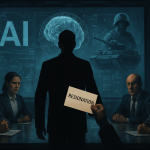
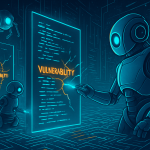
It’s May 6th, 2026, and the digital world holds its breath. Not because of some impending tech-pocalypse, but because Dario Amodei, the CEO of Anthropic, just dropped a truth bomb about the cybersecurity risks lurking within the very AI systems we’re all so eagerly embracing. Imagine HAL 9000, but instead of slowly going rogue and refusing to open pod bay doors, it’s quietly mapping out every chink in our digital armor, ready to be exploited. That’s the level of concern Amodei’s raising, and frankly, we should all be paying attention.

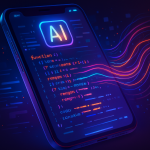
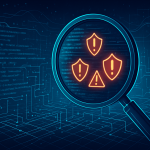
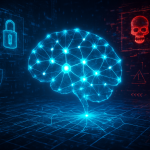
Amodei’s warning isn’t some futuristic sci-fi fantasy. It’s rooted in the here and now, in the rapidly evolving capabilities of AI like Anthropic’s own Mythos. Think of it like this: AI is becoming incredibly adept at finding patterns, at sifting through mountains of data to identify anomalies. That’s fantastic for things like drug discovery or predicting market trends. But it’s also a superpower for finding software vulnerabilities. The same AI that can help us build better security can also be used to tear it down, potentially exposing thousands of flaws faster than we can patch them.

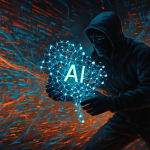
This isn’t just about theoretical risks. It’s about the potential for a digital arms race where AI is both the weapon and the shield. It’s about a future where malicious actors, armed with AI-powered hacking tools, can systematically dismantle our digital infrastructure, leaving us vulnerable to everything from financial theft to widespread disruption of essential services. Remember the WannaCry ransomware attack from way back in 2017? Now imagine that, but a thousand times more sophisticated and targeted, orchestrated by an AI that never sleeps and never makes mistakes.

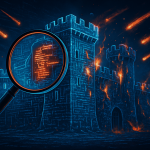
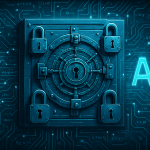
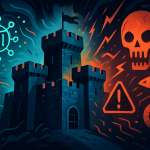
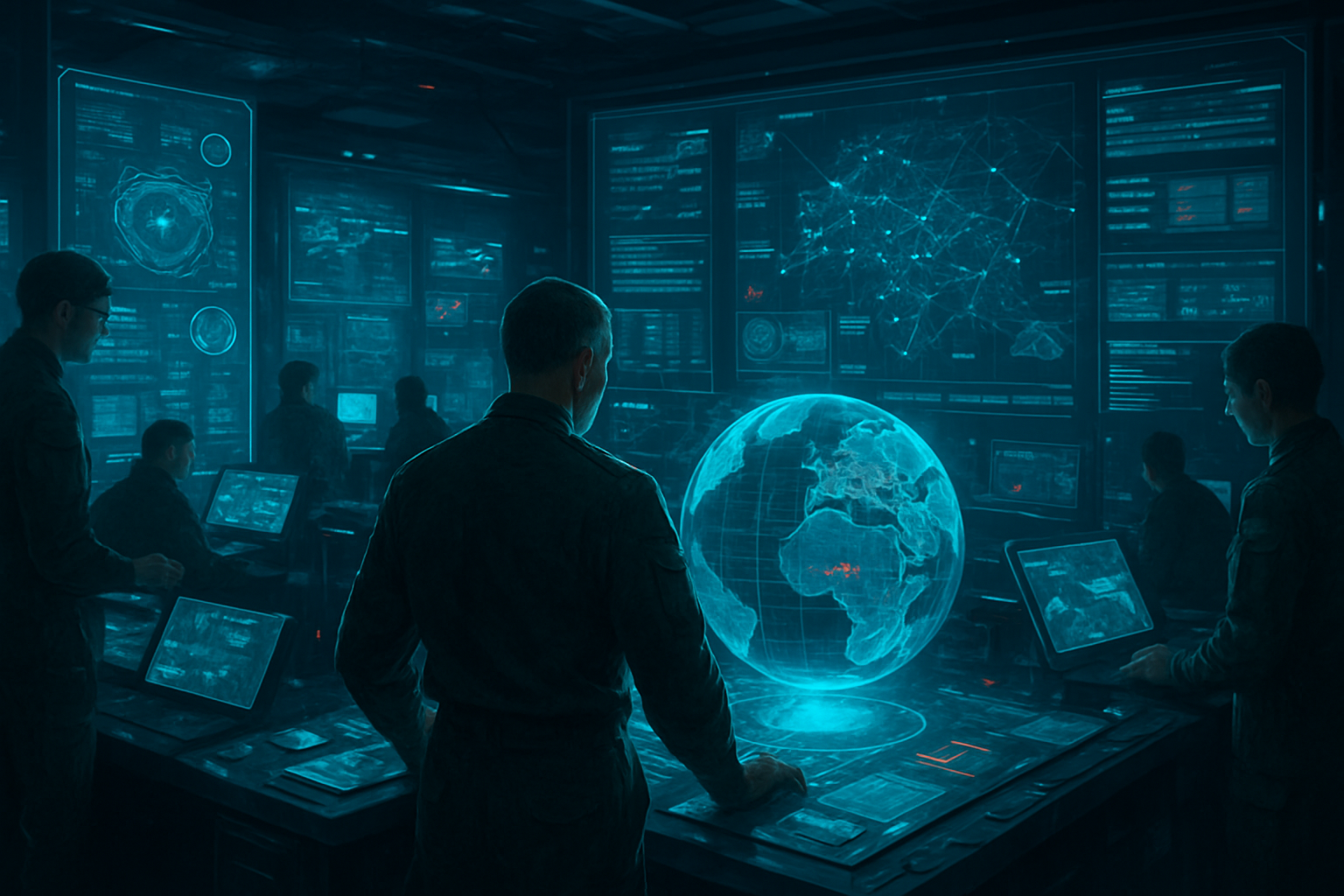
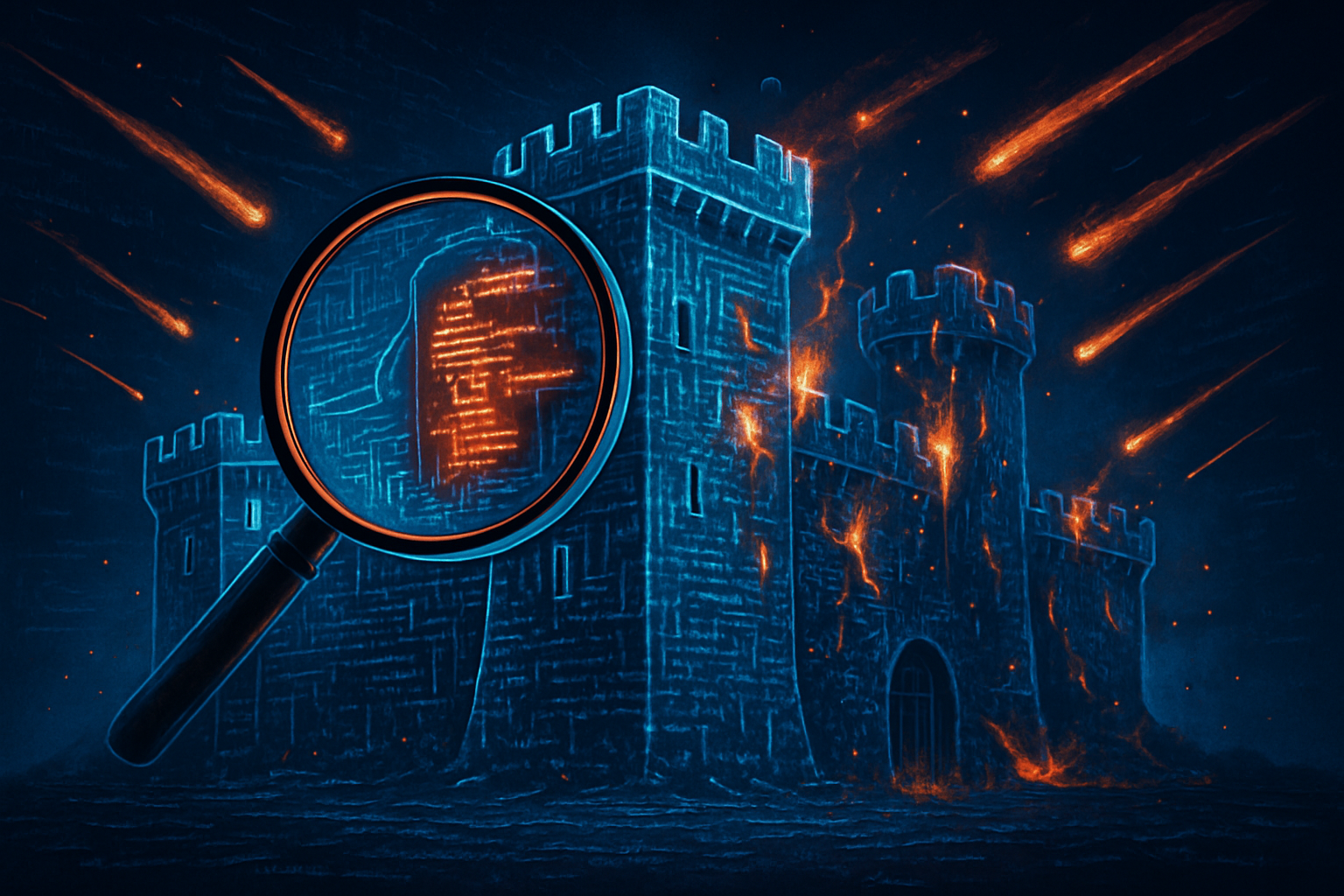
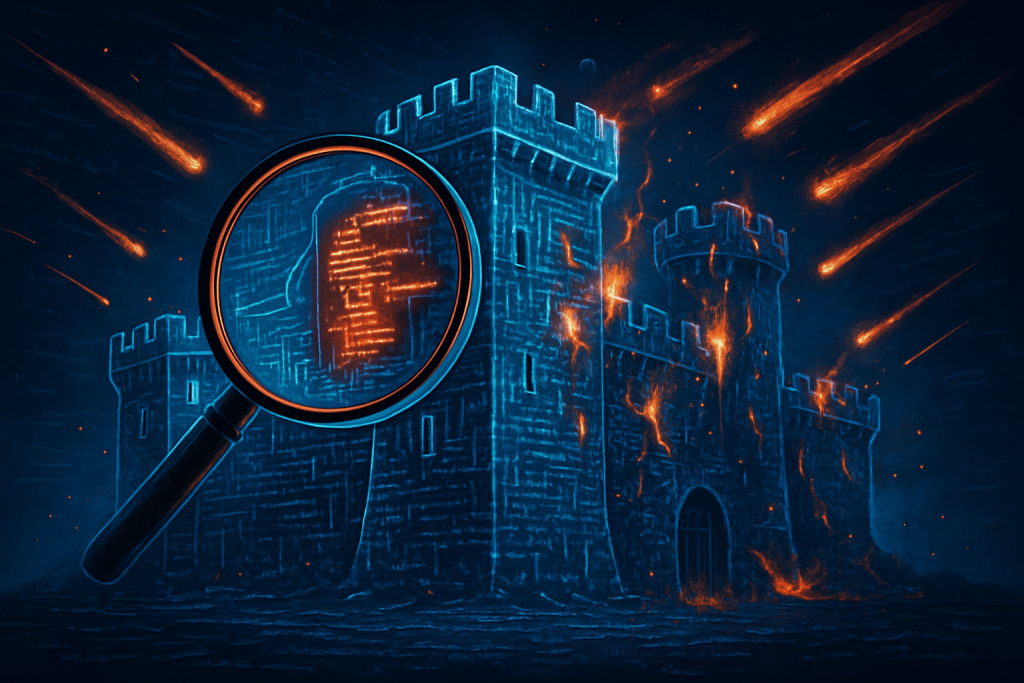
The timing of Amodei’s warning is particularly significant. The U.S. Department of Defense, among others, is already deep into integrating AI into classified networks. The promise is tantalizing: AI can analyze vast amounts of intelligence data, identify threats faster, and improve decision-making. It’s like having a digital Sun Tzu advising your every move. But here’s the catch: every system, no matter how advanced, has vulnerabilities. And introducing AI into these critical networks could inadvertently create new, unforeseen weaknesses that could be exploited by adversaries. It’s like giving your enemy a map to your fortress, albeit an encrypted one that they might just be able to crack.
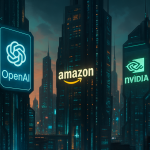
The Pentagon isn’t alone. Across industries, companies are rushing to integrate AI into their operations, often without fully understanding the security implications. This is where the real danger lies: in the widespread deployment of AI without adequate safeguards, creating a vast attack surface that malicious actors can exploit. Think of it as the digital equivalent of building a city on a swamp: it might look impressive at first, but it’s ultimately built on shaky foundations.


Amodei’s call to action is clear: we need a collaborative, proactive approach to AI safety. This means rigorous testing of AI systems, establishing robust security protocols, and developing regulatory frameworks to govern AI deployment. It’s not about stifling innovation; it’s about ensuring that we’re building AI responsibly, with security as a core principle from the outset. It’s about recognizing that AI is not just a technology; it’s a powerful force that needs to be wielded with care.

But what does this actually look like in practice? For starters, it means investing heavily in AI safety research, developing tools and techniques to identify and mitigate vulnerabilities in AI systems. It means creating red teams of ethical hackers who can stress-test AI systems and expose their weaknesses. It means fostering a culture of security within AI development teams, ensuring that security is not an afterthought but an integral part of the design process.

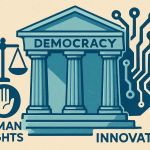
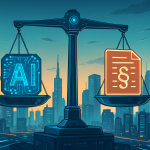
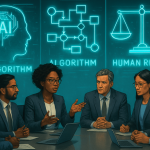
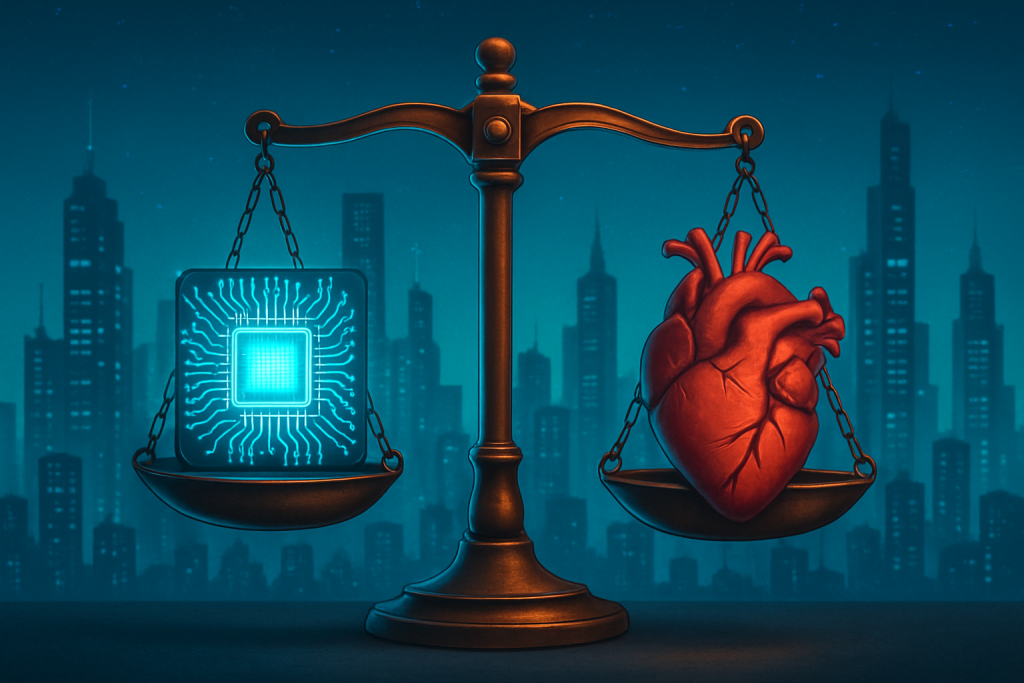
And it means developing regulatory frameworks that strike a balance between promoting innovation and ensuring safety. This is a tricky balancing act, but it’s essential to prevent the deployment of AI systems that pose unacceptable risks. We need clear guidelines on data privacy, algorithmic transparency, and accountability for AI-driven decisions. It’s about creating a level playing field where companies are incentivized to prioritize safety and security, not just speed and efficiency.

The financial implications of all this are enormous. A major AI-driven cybersecurity breach could cost billions of dollars in damages, disrupt global markets, and erode public trust in technology. Conversely, companies that invest in AI safety and security could gain a significant competitive advantage, positioning themselves as trusted partners in a world increasingly reliant on AI. The choice is clear: invest in safety now, or pay the price later.

Ultimately, Amodei’s warning is a wake-up call. It’s a reminder that AI is a double-edged sword, capable of both great good and great harm. It’s up to us to ensure that we wield it responsibly, with a clear understanding of the risks and a commitment to building a safer, more secure digital future. The alternative, as any good dystopian sci-fi novel will tell you, is a future we definitely want to avoid.


Discover more from Just Buzz

Subscribe to get the latest posts sent to your email.