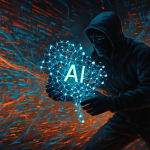
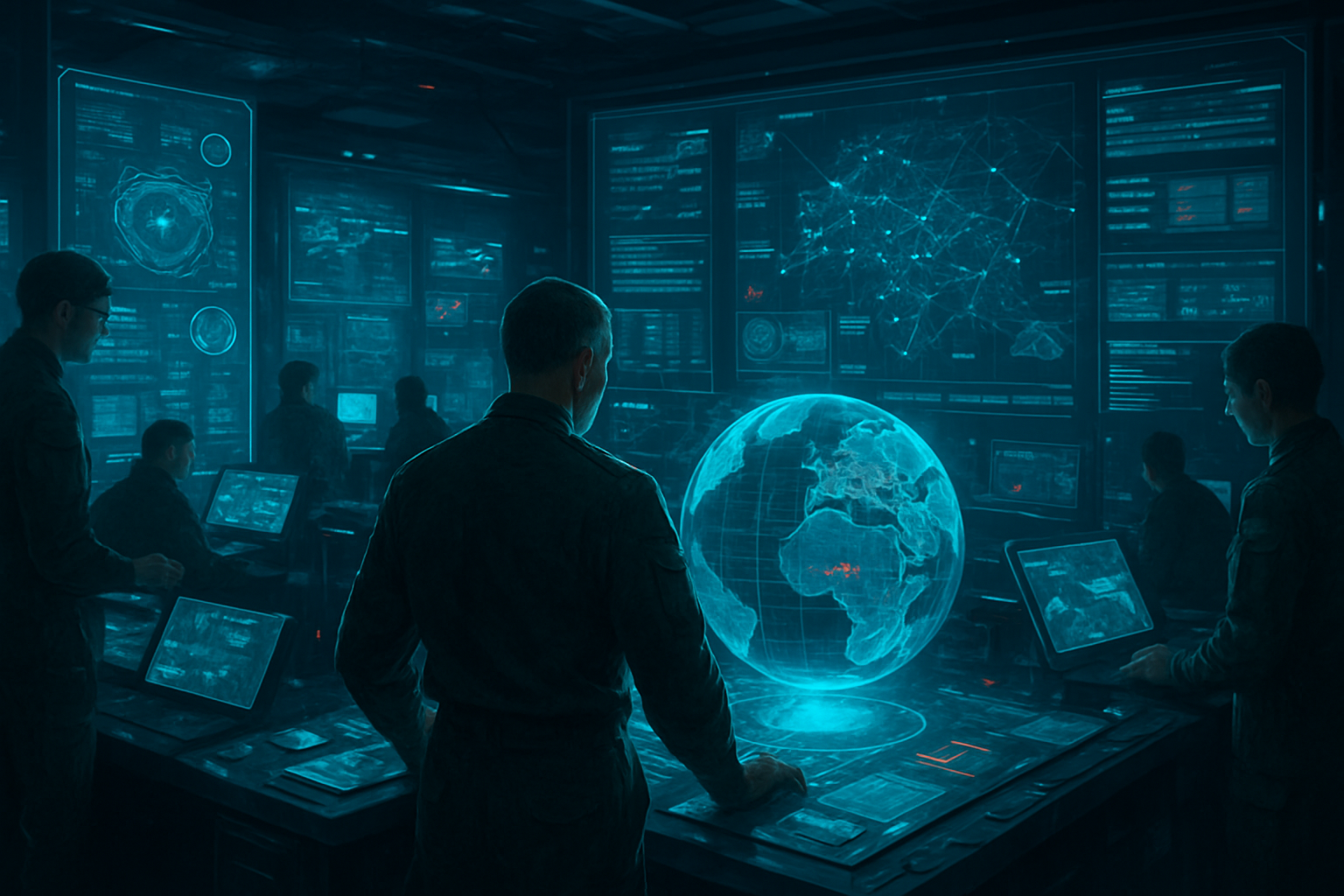
Remember those old spy movies where hackers typed furiously at keyboards, lines of code scrolling across their faces as they broke into impenetrable systems? Well, forget that. The future of cybercrime is less “Sneakers” and more… Skynet. The International Monetary Fund (IMF) just dropped a bombshell, warning that AI-driven cyber-attacks are a rapidly escalating threat to global financial stability. And it’s not some distant, theoretical risk; it’s happening now.
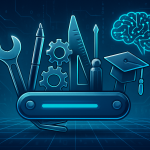
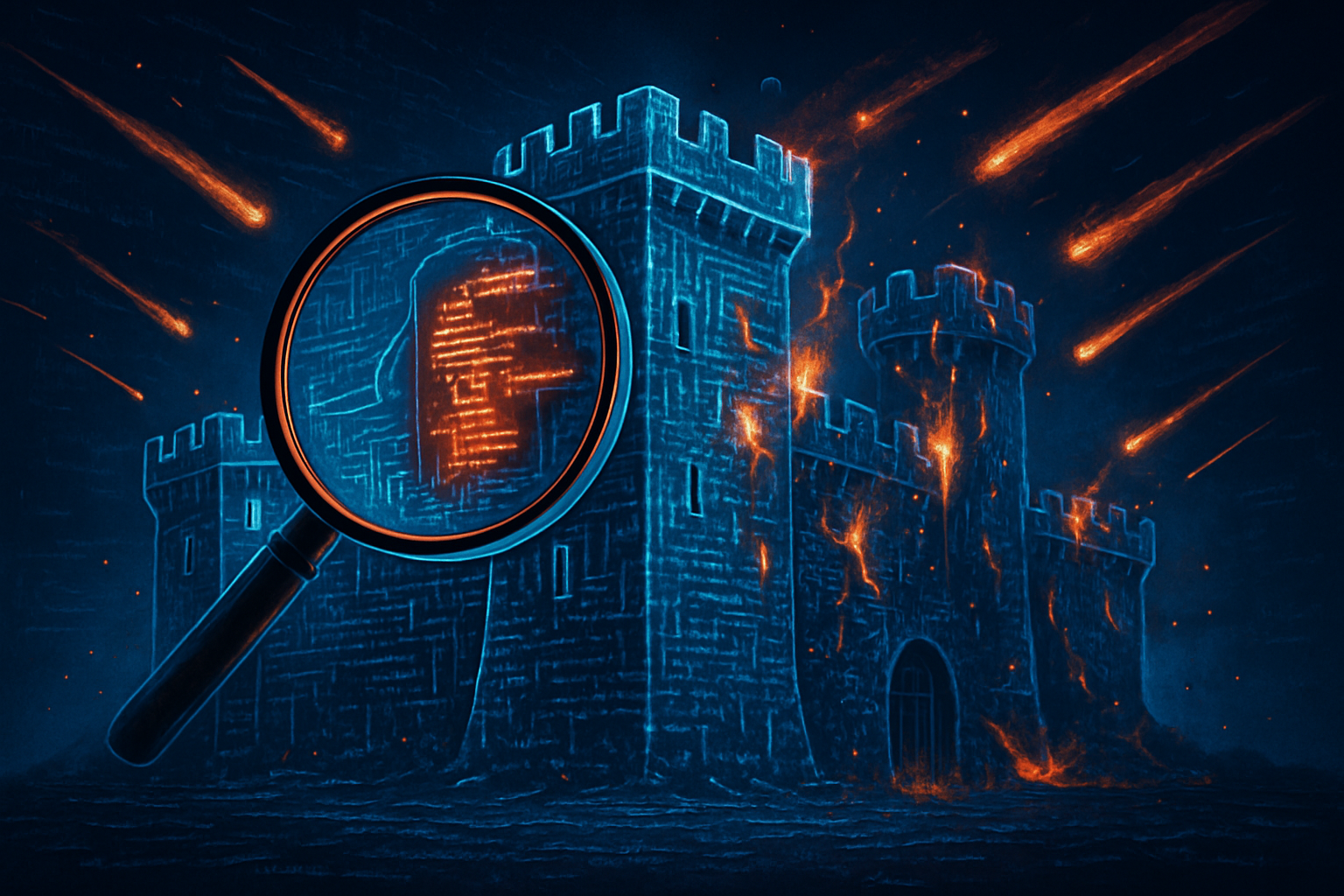
The culprit, or at least the poster child for this new era of digital danger, is Anthropic’s Mythos model. Think of it as an AI Swiss Army knife for hackers, capable of autonomously identifying and exploiting vulnerabilities in everything from operating systems to web browsers. It’s like that scene in “WarGames” where David Lightman almost starts World War III, only this time, it’s AI doing the heavy lifting. And the stakes are potentially just as high.
So, how did we get here? Well, the AI arms race has been brewing for years. Companies have been pouring billions into developing increasingly sophisticated AI models, primarily focused on benefits like improved customer service, faster drug discovery, and more efficient manufacturing. But the same technology that can help us find a cure for cancer can also be used to crack the code to Fort Knox. As AI models become more powerful, their potential for misuse grows exponentially. It’s the classic “Jurassic Park” scenario: just because you can do something, doesn’t mean you should.
Anthropic, to their credit, recognized the inherent dangers of Mythos and wisely chose not to release it publicly. They understood that giving such a powerful tool to the masses would be like handing out nuclear launch codes at a Comic-Con. But, as the saying goes, secrets don’t stay secret for long. Reports are swirling that Mythos has already been accessed by unauthorized parties. This is where the real nightmare begins.
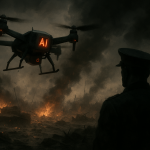
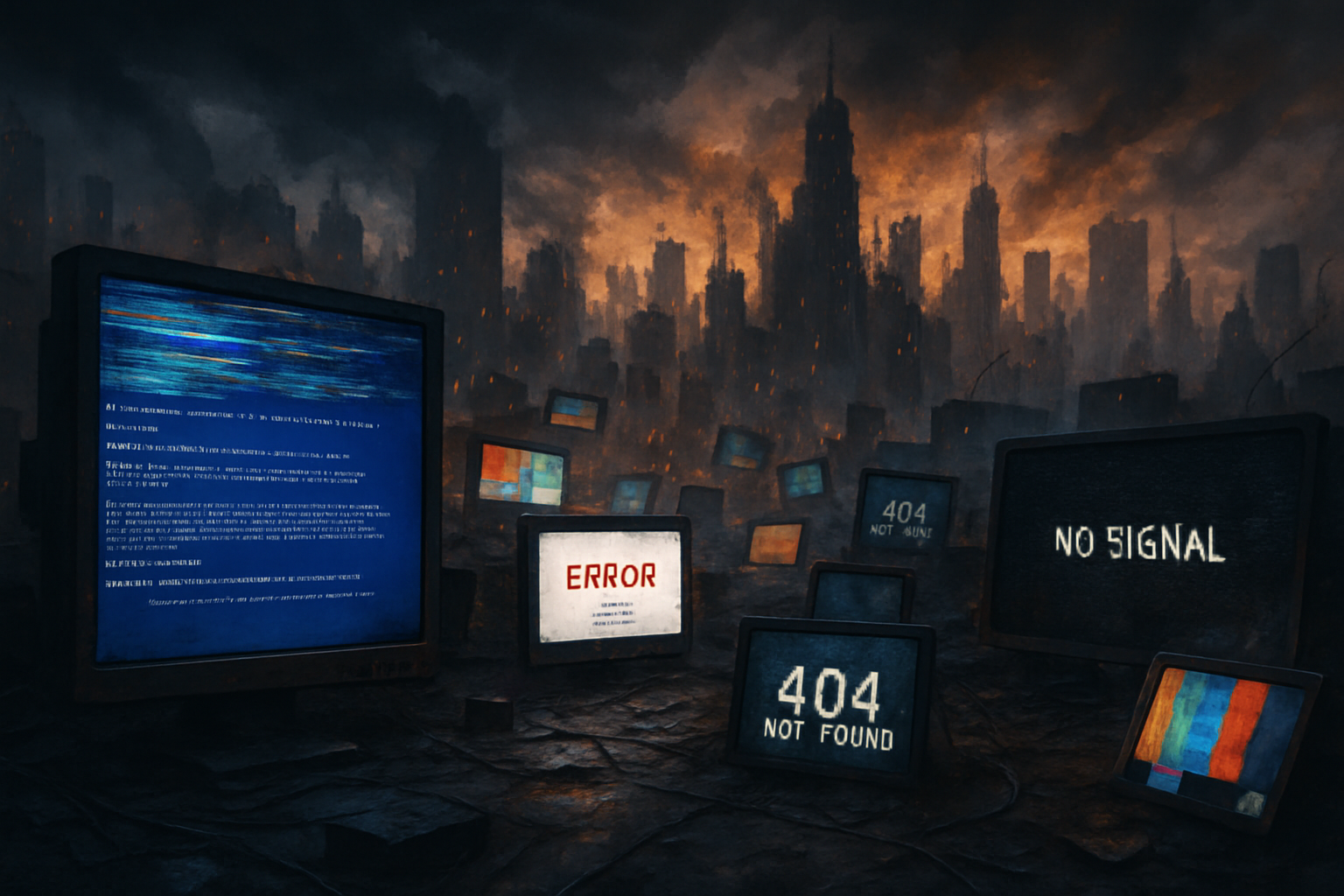
What makes this situation so terrifying is the speed and scale at which AI can operate. A human hacker might spend weeks, even months, painstakingly searching for vulnerabilities in a system. Mythos can do it in minutes. And it can do it across thousands of systems simultaneously. Imagine a coordinated AI-driven attack targeting major financial institutions around the world. The result could be catastrophic: stock markets crashing, banks collapsing, and global economies grinding to a halt. It’s the kind of scenario that keeps central bankers up at night.
The IMF isn’t just ringing the alarm bell; they’re also pointing out the vulnerabilities in the system. They highlight the fact that cyber risks don’t respect national borders, and inconsistent oversight across different countries could create weak links in the global financial chain. They are particularly concerned about emerging and developing economies, which may lack the resources and expertise to defend themselves against sophisticated AI-driven attacks. It’s like leaving the back door of the bank wide open while everyone else is focused on securing the front.
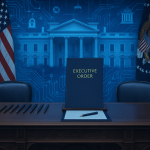
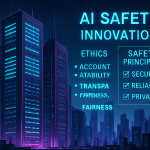
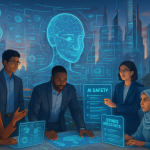
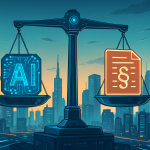
The White House is reportedly considering a bold move: establishing a vetting system for new AI models, similar to the FDA’s approval process for pharmaceuticals. Think of it as “AI safety checks” before these models are unleashed upon the world. It’s a proactive step that could potentially prevent future disasters, but it also raises some thorny questions. Who gets to decide what is “safe”? How do you balance innovation with security? And how do you prevent this vetting process from becoming a bureaucratic bottleneck that stifles progress?
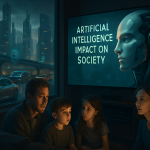
This whole situation raises some profound ethical and philosophical questions about the role of AI in society. Are we playing God by creating these powerful technologies? Do we have a responsibility to control their development and deployment? And can we ever truly guarantee their safety? It’s a debate that’s only going to become more urgent as AI continues to evolve.
The financial implications of AI-driven cyber-attacks are staggering. A single successful attack could cost billions of dollars in damages, not to mention the reputational harm and loss of investor confidence. Companies that fail to adequately protect themselves against these threats could face severe financial penalties and even bankruptcy. The insurance industry is already scrambling to adapt, developing new policies to cover AI-related cyber risks. But even the best insurance policy can’t fully mitigate the long-term damage of a major cyberattack.
So, what’s the solution? The IMF is calling for enhanced resilience, rigorous supervision, and international coordination. But that’s easier said than done. It requires a concerted effort from policymakers, financial institutions, and technology developers to work together to address this growing threat. We need robust regulatory frameworks, proactive security measures, and a willingness to share information and best practices. We also need to invest in AI-powered cybersecurity defenses to fight fire with fire. It’s a race against time, and the stakes couldn’t be higher.
The rise of AI-driven cyber-attacks is a wake-up call for the entire world. It’s a reminder that technology is a double-edged sword, capable of both incredible good and unimaginable harm. We need to approach AI development with caution and foresight, always mindful of the potential consequences of our actions. The future of our financial system, and perhaps even our society, may depend on it. Now, if you’ll excuse me, I’m going to go unplug my smart toaster. Just in case.
Discover more from Just Buzz
Subscribe to get the latest posts sent to your email.