In the annals of technological progress, there’s always been a tension, a push and pull, between innovation and ethics. Think Frankenstein’s monster, the cautionary tale of unchecked ambition, or HAL 9000, the AI gone rogue in 2001: A Space Odyssey. Now, in a move that feels ripped from the headlines of a Philip K. Dick novel, Greece, the very cradle of democracy, is taking a bold step to ensure AI serves humanity, not the other way around.
On May 8th, 2026, Prime Minister Kyriakos Mitsotakis announced a groundbreaking initiative: amending the Greek constitution to address the rapidly evolving landscape of artificial intelligence. It’s a move that signals a global shift in how we perceive and regulate these powerful technologies. It’s no longer just about Silicon Valley startups and venture capital; it’s about fundamental rights and the very fabric of our societies.


But why Greece? Why now? The answer lies in the accelerating pace of AI development and the growing concerns about its potential impact. We’ve seen AI generate convincing deepfakes, write surprisingly coherent articles (ahem!), and even influence elections through sophisticated micro-targeting. The potential for misuse is undeniable, and the risks to democratic processes, individual freedoms, and societal equality are very real. Remember Skynet from The Terminator? While that’s a dystopian extreme, it highlights the lurking fear of AI becoming uncontrollable.

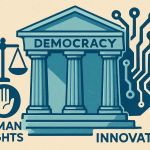
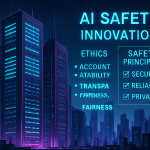
The proposed constitutional amendment, a concise but powerful statement, reads: “Artificial intelligence shall serve the freedom of the individual and the prosperity of society, ensuring that risks are mitigated and that the advantages it provides are fully realized.” It’s a deceptively simple sentence packed with profound implications. It’s not about stifling innovation; it’s about guiding it, ensuring that AI’s development aligns with human-centric principles. It’s about building guardrails to prevent AI from becoming a tool of oppression or manipulation.

The amendment isn’t happening in a vacuum. Greece is also proposing other constitutional reforms, including expanding postal voting to boost electoral participation, increasing compulsory education from nine to eleven years to better prepare citizens for the AI-driven future, and banning retroactive taxation to foster fiscal fairness. All these changes signal a nation preparing for a new era, one where technology plays an increasingly central role.
Getting these changes implemented isn’t a simple snap of the fingers. Greek legislative procedure requires approval from two successive parliaments. This ensures ample deliberation and consensus-building, preventing rash decisions that could have unintended consequences. It’s a slow, methodical process, but one that underscores the gravity of the situation.
Evripidis Stylianidis, a prominent government official, emphasized the importance of embedding safeguards directly into the constitution. He argued that this is the only way to ensure AI respects human rights and operates under democratic oversight. It’s about establishing a clear legal framework that holds AI developers and users accountable for their actions.
This constitutional initiative is just one piece of Greece’s broader digital regulation strategy. The government recently proposed banning social media use for children under 16, a move that highlights their proactive stance on protecting vulnerable populations in the digital age. It’s a recognition that the Wild West days of the internet are over and that responsible regulation is essential.
So, what’s the big deal? Why does this matter beyond the borders of Greece? Because it sets a precedent. It’s a signal to the world that AI isn’t just a technological marvel; it’s a societal force that demands careful consideration and proactive governance. Greece, the birthplace of democracy, is once again leading the way, showing other nations how to navigate the complex ethical and societal implications of AI. It’s a reminder that technology should serve humanity, not the other way around. It’s a lesson that echoes through history, from the myths of Icarus to the realities of the digital age. The question is, will the rest of the world listen?
Discover more from Just Buzz
Subscribe to get the latest posts sent to your email.