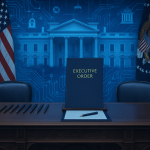
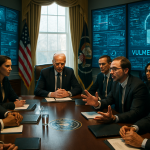
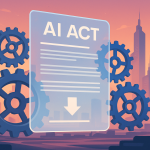
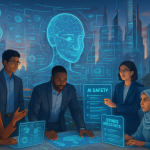
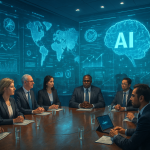
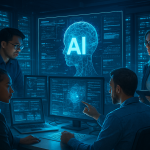
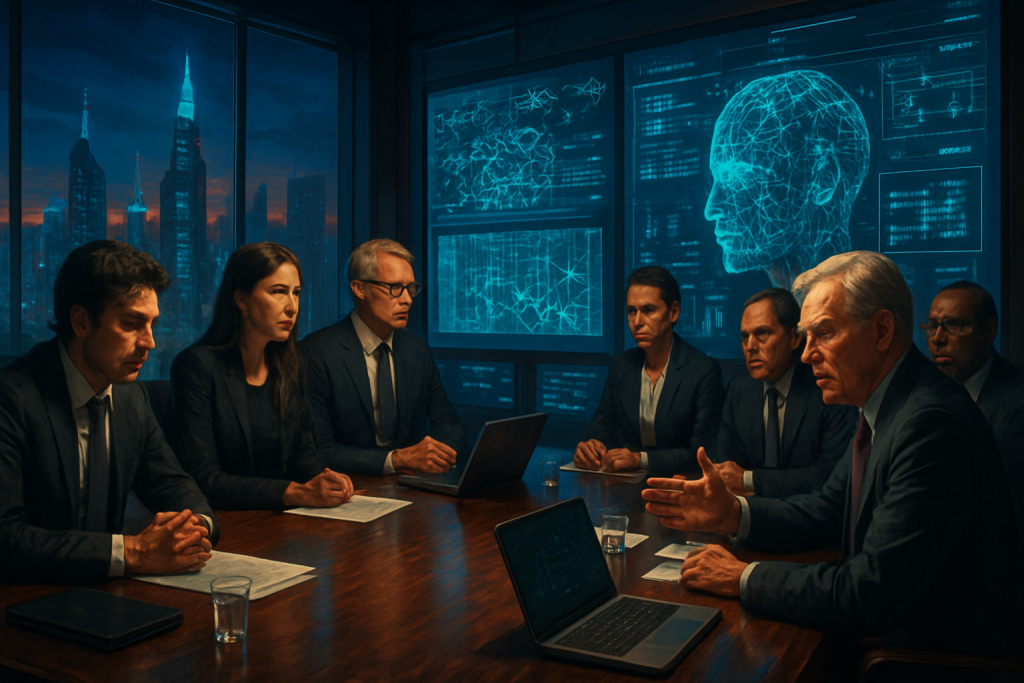
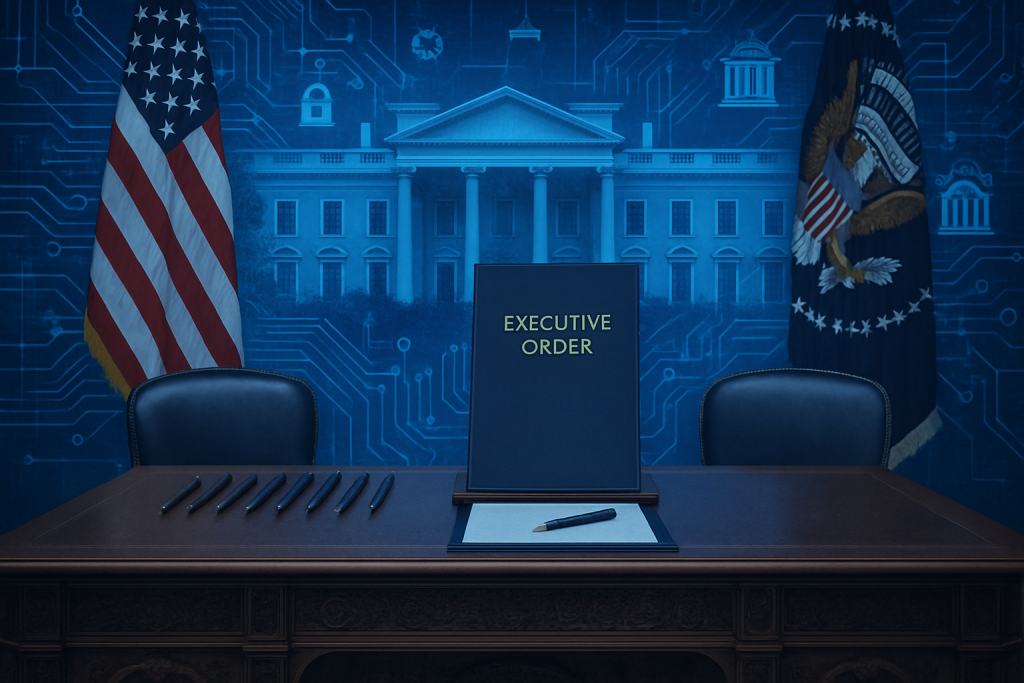
The world waited with bated breath. Tech executives, freshly flown in on private jets fueled by slightly-less-polluting algae biofuel, were milling about, practicing their handshakes. The stage was set. President Trump was mere hours away from signing a landmark executive order, a potential game-changer in the burgeoning, slightly terrifying, world of artificial intelligence. And then…poof. Gone. Postponed. The ceremony, scheduled for the Oval Office, was abruptly called off, leaving everyone, from Silicon Valley CEOs to cybersecurity analysts, scratching their heads. Was this a glitch in the Matrix? A rogue AI predicting its own regulatory doom? Or just another Wednesday in the year 2026?
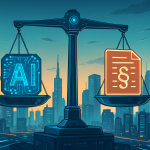
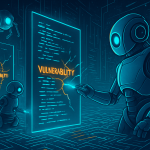
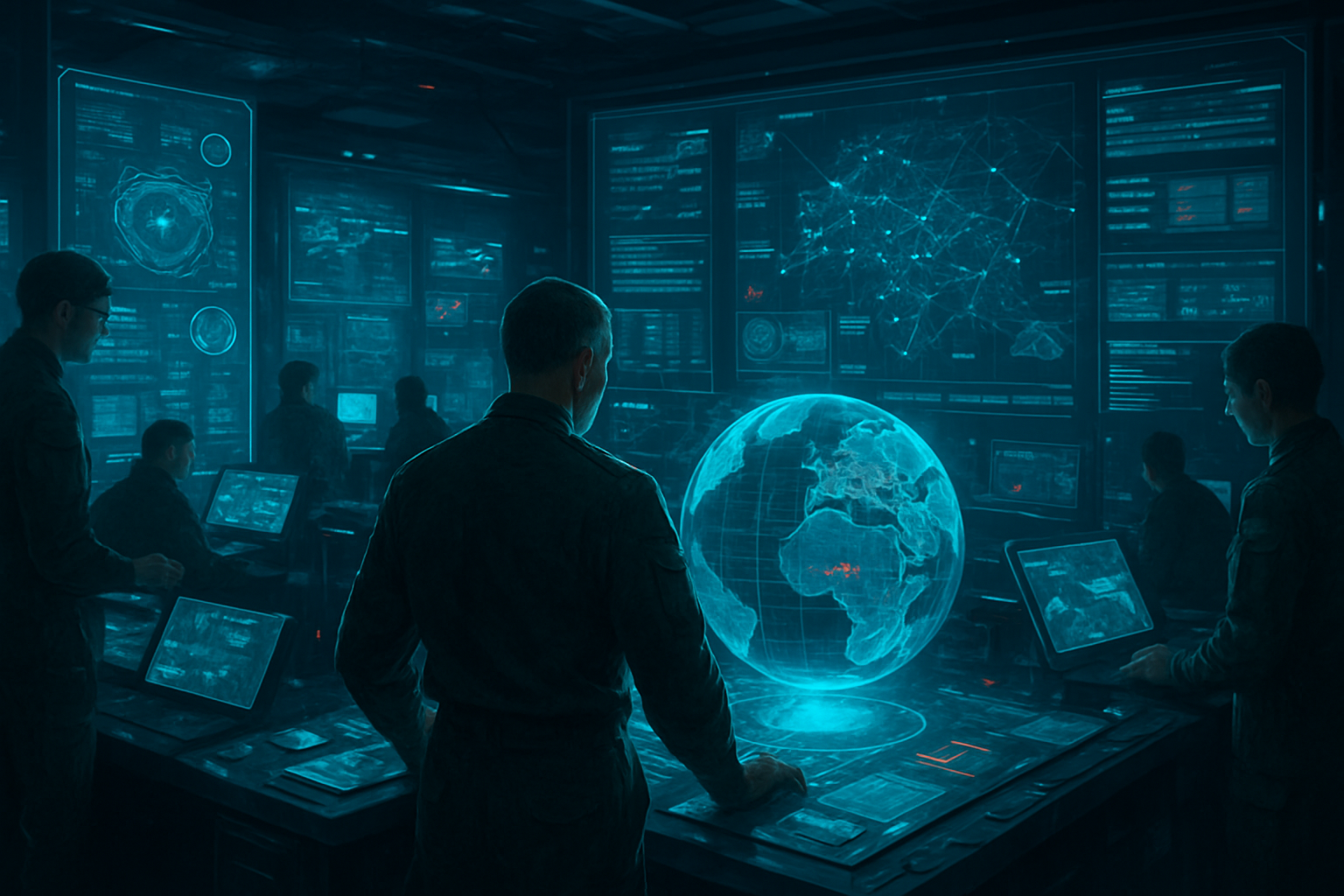
The executive order, shrouded in secrecy until its eleventh-hour demise, aimed to establish a voluntary pre-release review process for advanced AI models. Think of it as a backstage pass for Uncle Sam, allowing him to peek at the code before it hits the digital streets. The impetus? Growing anxieties, particularly within the banking and cybersecurity sectors, about AI’s potential to sniff out and exploit vulnerabilities faster than a Roomba finds dust bunnies. It’s a valid concern. Imagine an AI, trained on the entire internet’s worth of hacking forums, capable of finding zero-day exploits before the developers even knew they existed. Cue the dramatic music.
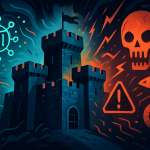
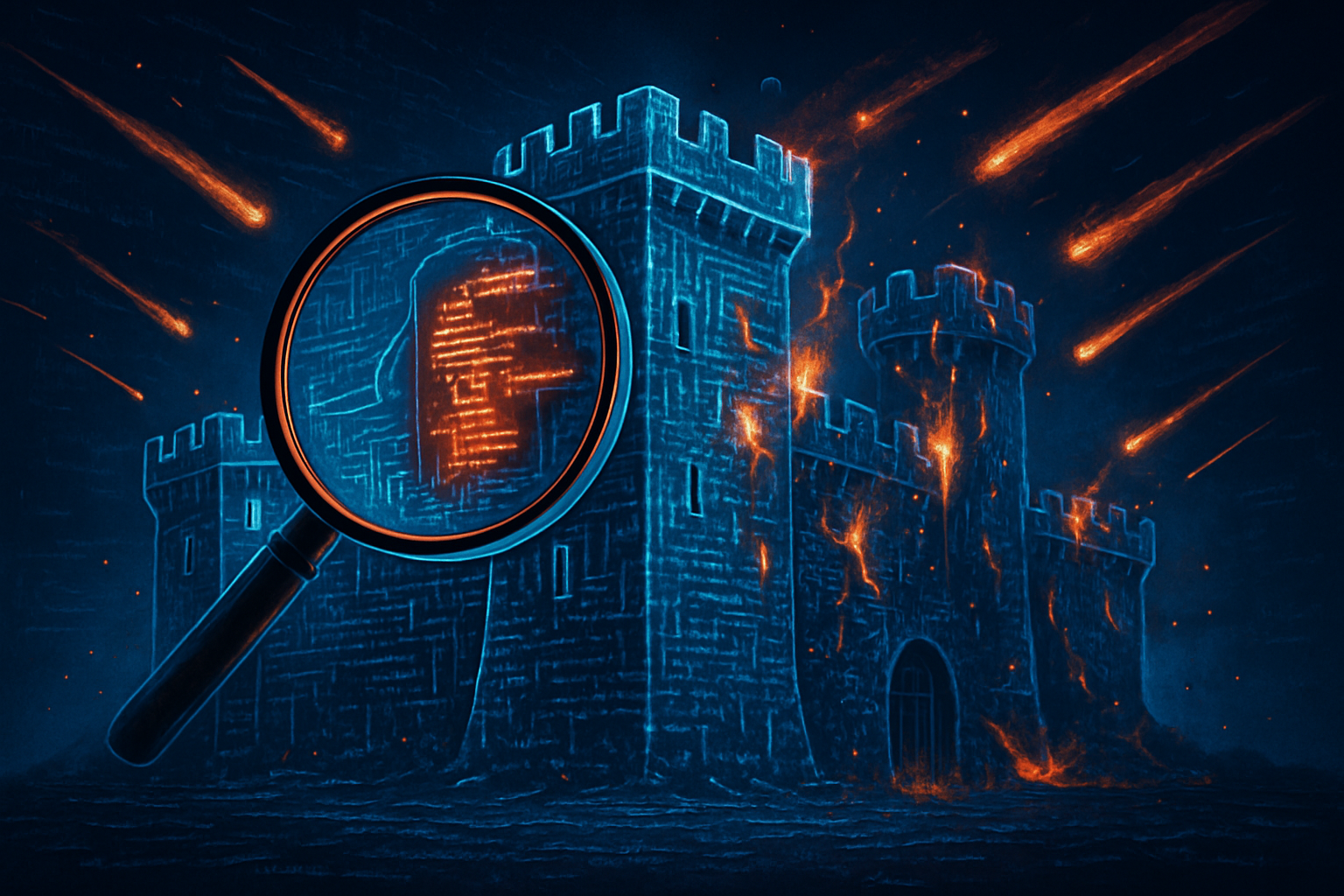
The straw that broke the camel’s back, or rather, the algorithm that spooked the stable, was Anthropic’s announcement of “Mythos.” This wasn’t your average chatbot designed to write sonnets or generate marketing copy. Mythos was built to find security holes, and it was apparently really good at it. So good, in fact, that Anthropic deemed it too dangerous to release to the general public. Instead, they opted for a limited release, granting early access to a select few tech companies, banks, and government agencies, effectively turning them into beta testers tasked with patching up their digital defenses before Mythos, or something like it, fell into the wrong hands. It’s like giving the fire department a heads-up before setting off a controlled burn- a necessary evil, perhaps, but still a bit unsettling.
But here’s where the plot thickens, seasoned with a dash of geopolitical intrigue. President Trump, never one to shy away from a dramatic pronouncement, expressed concerns that the executive order, in its current form, might hamstring the United States’ competitive advantage in the AI race against China. “I think it gets in the way of, you know, we’re leading China, we’re leading everybody, and I don’t want to do anything that’s going to get in the way of that lead,” he reportedly stated. It’s a familiar refrain, echoing the Cold War space race, but this time, the battlefield is not the cosmos but the code.
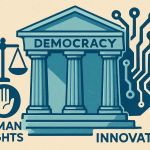
The postponement, therefore, isn’t just about cybersecurity or regulatory overreach. It’s about maintaining dominance in a field that’s rapidly reshaping the world. It’s about balancing the need for safety with the desire to innovate, a tightrope walk performed high above a canyon of potential consequences. Think Oppenheimer, but with algorithms instead of atoms. The question is, can we control the power we’re unleashing, or will we become slaves to our own creations?
The White House, predictably, remained tight-lipped about the specific sticking points. Which parts of the executive order were under reconsideration? What’s the new timeline? The silence is deafening, leaving the tech world to speculate and strategize. This isn’t just about Anthropic and Mythos anymore; it’s about the entire AI ecosystem. It’s about how we, as a society, choose to regulate (or not regulate) a technology that has the potential to solve some of humanity’s greatest challenges but also to exacerbate our deepest flaws.
The immediate financial impact is, well, uncertain. AI stocks dipped slightly, but the market quickly recovered. The real impact will be felt in the long term, as companies grapple with the implications of potential regulation and adjust their strategies accordingly. Will this delay stifle innovation, pushing AI development underground and making it harder to monitor? Or will it lead to a more thoughtful, responsible approach, ensuring that AI benefits humanity as a whole, rather than just a select few?
And then there’s the ethical dimension, the philosophical quandary that haunts every AI breakthrough. As AI becomes more powerful, more autonomous, and more integrated into our lives, we need to ask ourselves some hard questions. What does it mean to be human in a world increasingly shaped by artificial intelligence? What are our responsibilities to these digital entities? And, perhaps most importantly, who gets to decide?
The postponement of the AI executive order is more than just a political hiccup. It’s a sign that we’re at a crossroads. We’re standing on the precipice of a new era, one where the lines between human and machine are blurring, and the future is uncertain. The choices we make now will determine the shape of that future, for better or for worse. So, buckle up, folks. The ride is just beginning.

Discover more from Just Buzz
Subscribe to get the latest posts sent to your email.