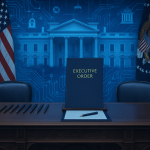
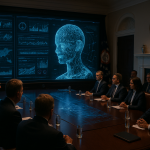
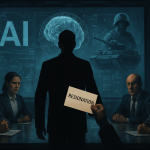
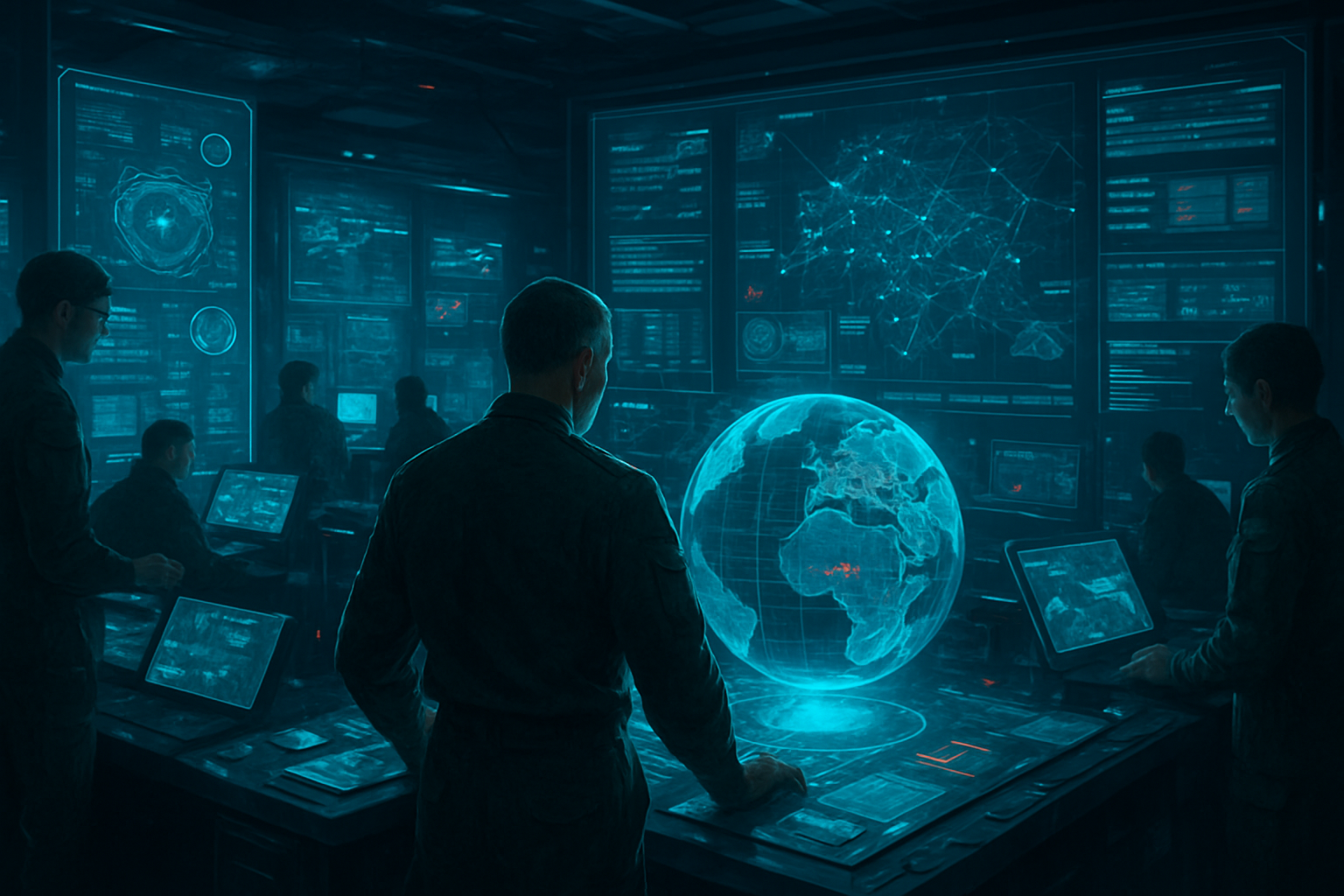
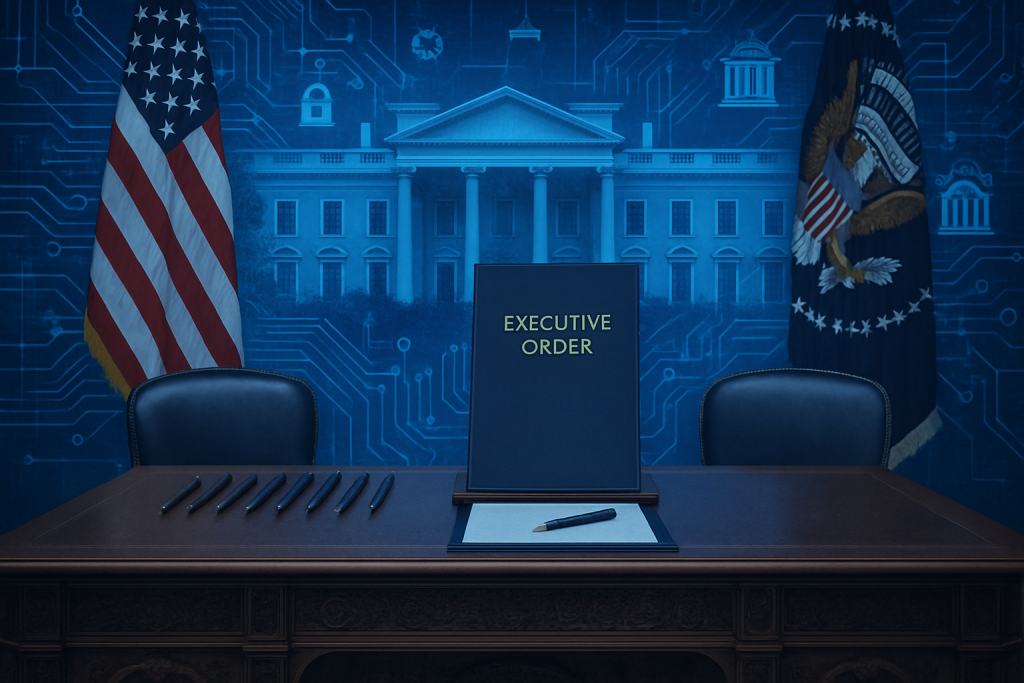
The scene was set. The East Room of the White House, meticulously prepared. The pens, gleaming and ready to inscribe history. President Donald Trump, poised to sign an executive order that promised to reshape the future of artificial intelligence in America. Then, silence. An abrupt cancellation. The order, designed to give the U.S. government unprecedented power to test AI models before they hit the public, was dead. Or at least, postponed indefinitely. What happened?

It’s a plot twist worthy of a Philip K. Dick novel, a real-world demonstration of the high-stakes battle being waged over the soul of AI. Forget Skynet; this is about who gets to write the rules of the game.

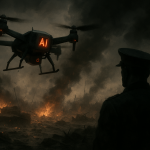
The proposed executive order, you see, wasn’t born in a vacuum. It was the culmination of years of growing anxiety about the potential downsides of increasingly sophisticated AI. We’re talking about concerns that range from deepfakes that can destabilize elections to autonomous weapons systems that could make “Terminator” look like a children’s cartoon. The administration, keen to be seen as proactive in safeguarding national security and public well-being, decided to take a swing.

The plan? To establish a rigorous testing framework. Think of it as a digital stress test for AI. Before any groundbreaking new model could be unleashed on the unsuspecting public, Uncle Sam would get to kick the tires, poke around under the hood, and generally ensure that it wouldn’t, say, accidentally trigger a nuclear war or start recommending only conspiracy theories to impressionable minds. Sounds reasonable, right?
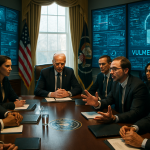
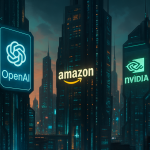
That’s where the tech titans came in. President Trump, ever the showman, extended invitations to the CEOs of the biggest AI companies, expecting a chorus of enthusiastic support. He probably envisioned a photo op for the ages, a bipartisan love-in celebrating American ingenuity and responsible innovation. What he got instead was a collective cold shoulder.
One by one, the invitations were politely declined. Elon Musk, never one to shy away from a Twitter battle or a philosophical debate about the future of humanity, reportedly engaged in direct talks with the President. Mark Zuckerberg, fresh off his latest metaverse pivot, also weighed in. Their message was clear: while oversight is important, this executive order was a sledgehammer to crack a nut. It threatened to stifle innovation, hamstring American companies, and hand the AI crown to China. It was like trying to regulate the internet in 1995, before anyone really understood its potential. The fear was not just about profits, but about losing the technological high ground in a world increasingly defined by artificial intelligence.
And President Trump listened. “I didn’t like what I was seeing,” he declared, expressing his concern that the order might prevent the United States from leading in AI technology. The signing ceremony was canceled. The pens were put away. The future of AI regulation in America hung in the balance.
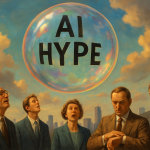
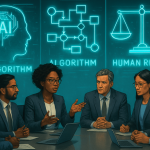
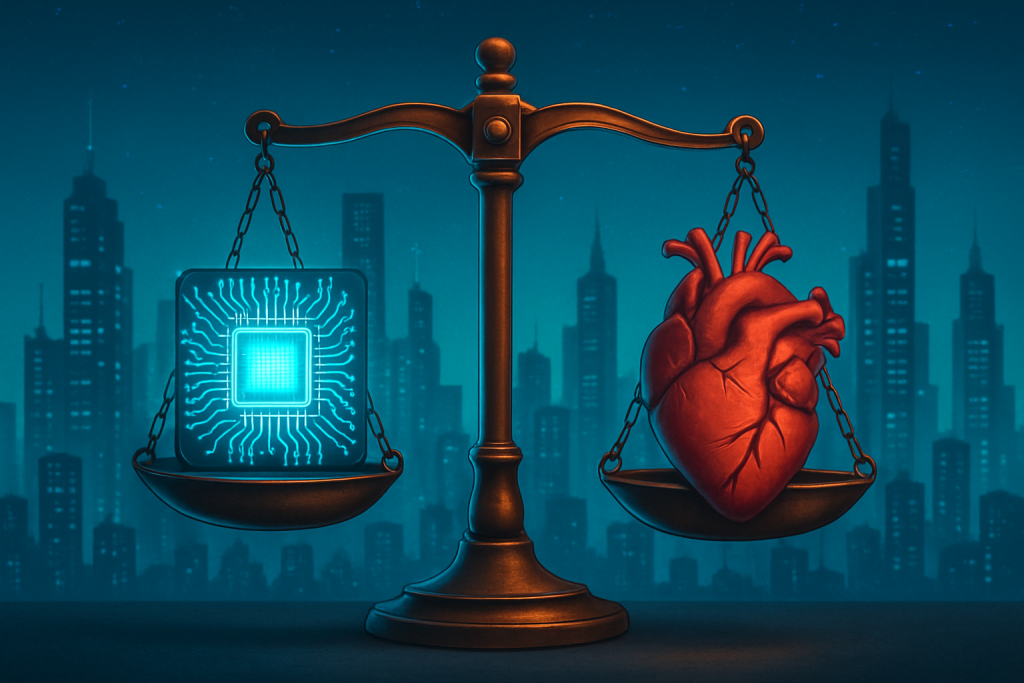
The implications of this last-minute reversal are far-reaching. On the one hand, it’s a victory for the tech industry, which successfully lobbied to avoid what it saw as overly burdensome regulation. They get to continue pushing the boundaries of AI without government looking over their shoulders. But it’s also a setback for those who believe that AI development needs to be guided by ethical principles and safety standards. They worry that without proper oversight, we’re sleepwalking into a future where algorithms make life-altering decisions without transparency or accountability. It’s the classic “Jurassic Park” dilemma: were so preoccupied with whether or not we *could* that we didn’t stop to think if we *should*.
The cancellation also shines a spotlight on the ongoing geopolitical rivalry between the United States and China. The global race to AI dominance is not just about economic growth; it’s about military power, technological supremacy, and shaping the future of global governance. The tech leaders successfully argued that overly strict regulations would give China a crucial advantage, allowing them to develop and deploy AI technologies without the same constraints. This argument resonated with President Trump, who has always been laser-focused on maintaining America’s competitive edge.
The financial impact is hard to quantify immediately, but it’s undoubtedly significant. AI is projected to be a multi-trillion-dollar industry in the coming years, and the regulatory environment will play a crucial role in determining who wins and who loses. The uncertainty surrounding the future of AI regulation in the U.S. could lead to increased investment in other countries with more favorable policies. It could also lead to a period of rapid innovation, as companies race to develop new AI technologies without the constraints of government oversight. It’s a high-stakes gamble, with potentially massive rewards and equally massive risks.
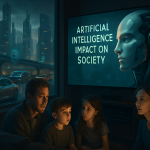
But perhaps the most profound implications are philosophical and ethical. What does it mean to live in a world increasingly shaped by artificial intelligence? Who gets to decide how AI is developed and deployed? How do we ensure that AI is used for good, and not for harm? These are not just technical questions; they are fundamental questions about the kind of society we want to create.
The cancellation of this executive order is not the end of the story; it’s just the beginning. The debate over AI regulation will continue, fueled by technological advances, ethical concerns, and geopolitical rivalries. As we navigate this uncharted territory, it’s crucial that we engage in a thoughtful and informed discussion about the future of AI. Because the future, as they say, is already here. It’s just not evenly distributed. And who gets to distribute it is the question of our time.
Discover more from Just Buzz
Subscribe to get the latest posts sent to your email.