Remember the heady days of 2023, when everyone was arguing about whether ChatGPT was going to write us all out of a job, or just write our TPS reports for us? Fast forward to 2026, and the AI revolution is less about killer robots and more about… well, killer lobbying. The Guardian just dropped a bombshell of an analysis, and it reads like a techno-thriller ripped from the headlines (or, in this case, the future-lines). The story? How big tech managed to pull the plug on President Trump’s last-minute attempt to regulate the AI wild west.
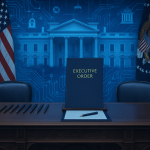
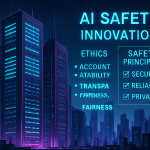
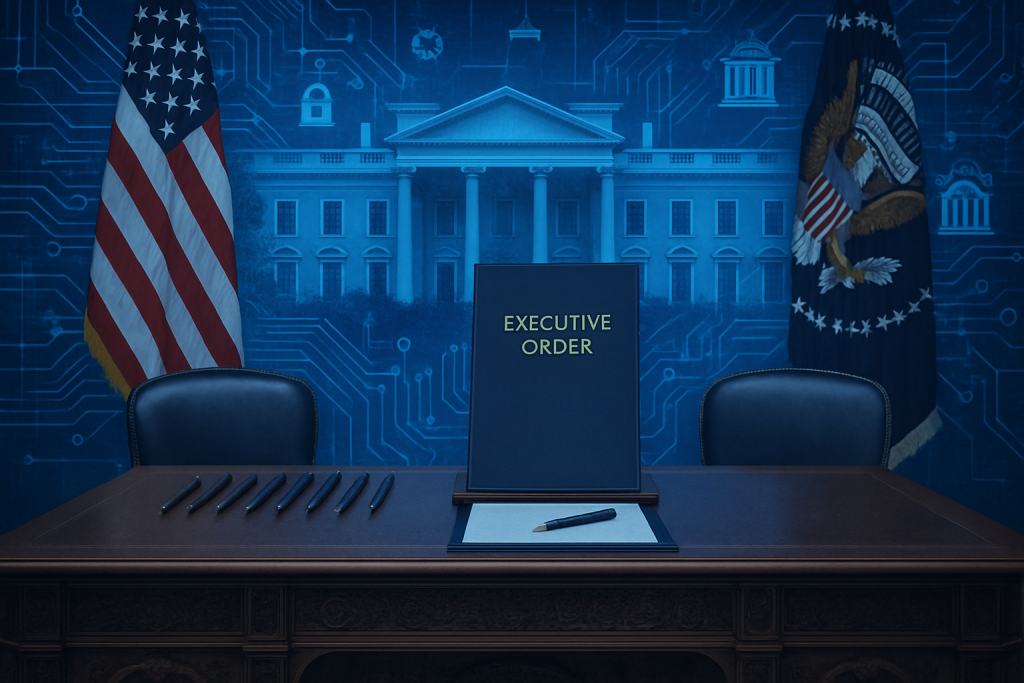
Let’s set the stage. It’s May 2026, and the Trump administration, in a move that surprised pretty much everyone (including, probably, themselves), was on the verge of issuing an executive order. This wasn’t your typical Trumpian tweet-storm; this was a serious attempt to slap some safety protocols on the burgeoning AI industry. We’re talking mandatory safety reviews before new AI models could be unleashed on the unsuspecting public. Think of it as a pre-flight checklist for algorithms, designed to prevent everything from biased hiring tools to self-driving cars with a penchant for jaywalkers. The White House even sent out invitations to tech execs, a clear signal they were serious. Then, poof. Gone. Like a politician’s promise after election day.




The official reason? According to reports, Trump himself got cold feet. “I didn’t like what I was seeing,” he reportedly said, voicing concerns that the order would “hinder the United States’ leadership in AI technology” and that it was “causing tremendous good.” Sound familiar? It’s the same argument we’ve heard time and again: regulation stifles innovation. But The Guardian‘s investigation suggests there’s a whole lot more to the story than presidential jitters.
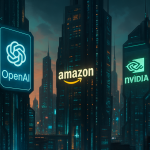
Here’s where the plot thickens. The Guardian‘s analysis points a rather large finger at the titans of tech. We’re talking about the usual suspects: the companies that practically are the AI industry. Names like David Sacks (never far from a tech controversy) and Mark Zuckerberg (who, let’s be honest, probably has an AI butler at this point) were reportedly in constant communication with the administration, arguing against the executive order. Their argument, boiled down? Regulation equals death. Death to innovation, death to American competitiveness, death to their bottom lines. The implication being that if the US clamped down on AI development, other countries- cough, cough, China- would zoom ahead, leaving Silicon Valley in the digital dust. You can almost hear the dramatic music swelling in the background.
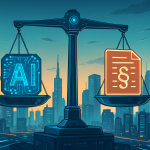
Now, let’s be clear. This isn’t some tinfoil-hat conspiracy theory. Big tech lobbying is as American as apple pie and questionable campaign donations. But the sheer scale and apparent effectiveness of their efforts in this case raise some serious questions. Are we letting the foxes guard the henhouse? Are we prioritizing profit over public safety? It’s a classic case of competing interests, and in this round, it looks like corporate power won.
The fallout from this decision is already being felt. Critics are howling, accusing the administration of selling out to big tech. They argue that this sets a dangerous precedent, allowing corporations to dictate policy with little regard for the potential risks. On the other side, proponents are cheering, claiming that this move will unleash a new wave of AI innovation, creating jobs and boosting the economy. The truth, as always, is probably somewhere in the middle. But one thing is certain: the debate over AI regulation is far from over.
What are the long-term implications? Well, buckle up, because this is where it gets really interesting. Without robust regulation, we’re essentially handing the keys to the AI kingdom to a handful of powerful companies. This could lead to a concentration of power, where a few tech giants control the development and deployment of AI, shaping everything from our news feeds to our healthcare. Think of it as a real-life version of Skynet, only instead of killer robots, we get personalized ads that are just slightly too accurate. Or algorithms that perpetuate existing biases, further marginalizing vulnerable communities.
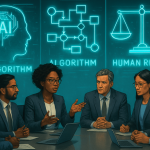
And let’s not forget the ethical considerations. AI is already being used in areas like criminal justice, where biased algorithms can have devastating consequences. Without proper oversight, these biases could become even more entrenched, leading to a two-tiered system of justice where the algorithm is both judge and jury. It’s a dystopian vision straight out of Philip K. Dick, and it’s not as far-fetched as you might think.
From a financial perspective, the cancellation of the executive order could be a boon for big tech in the short term. Less regulation means lower compliance costs and more freedom to innovate (and, let’s be honest, more freedom to experiment with potentially risky technologies). But in the long run, this lack of oversight could backfire. A major AI-related disaster- a self-driving car pile-up, a biased hiring algorithm that sparks a discrimination lawsuit- could trigger a public backlash and lead to even stricter regulations down the line. It’s a gamble, and the stakes are incredibly high.
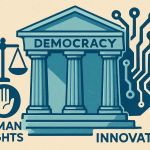
So, where do we go from here? The answer, unfortunately, is not clear. The AI genie is out of the bottle, and there’s no putting it back in. But we can, and must, have a serious conversation about how to manage this powerful technology. We need to find a balance between fostering innovation and ensuring safety, between protecting corporate interests and safeguarding the public good. It’s a challenge that will define the next decade, and the decisions we make today will shape the future of humanity. No pressure.
Discover more from Just Buzz
Subscribe to get the latest posts sent to your email.