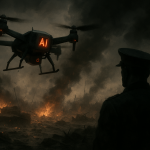
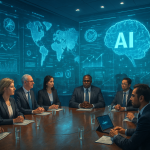
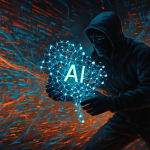
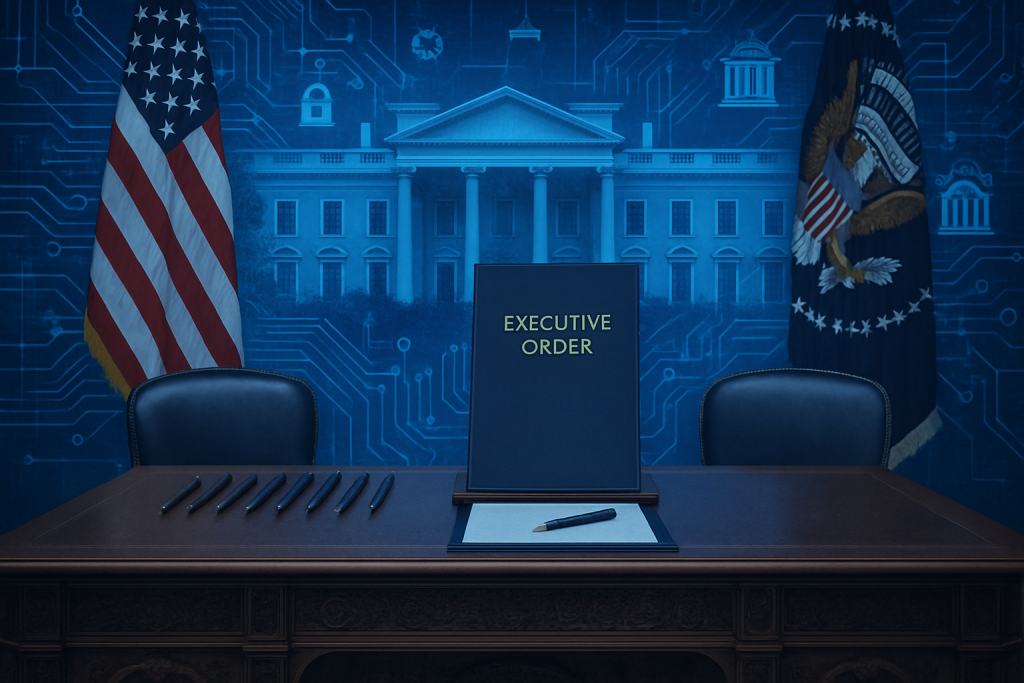
The ghost of Alan Turing must be pacing the halls of Bletchley Park, not in regret, but perhaps in a sort of grim satisfaction. On May 27th, 2026, Anne Keast-Butler, the director of the UK’s Government Communications Headquarters (GCHQ), stood on that very hallowed ground, a place synonymous with breaking codes and winning wars through intellect, and delivered a chilling message: artificial intelligence is no longer just a tool; it’s a weapon, and our adversaries are wielding it with increasing skill.
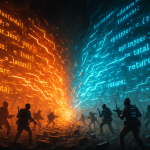
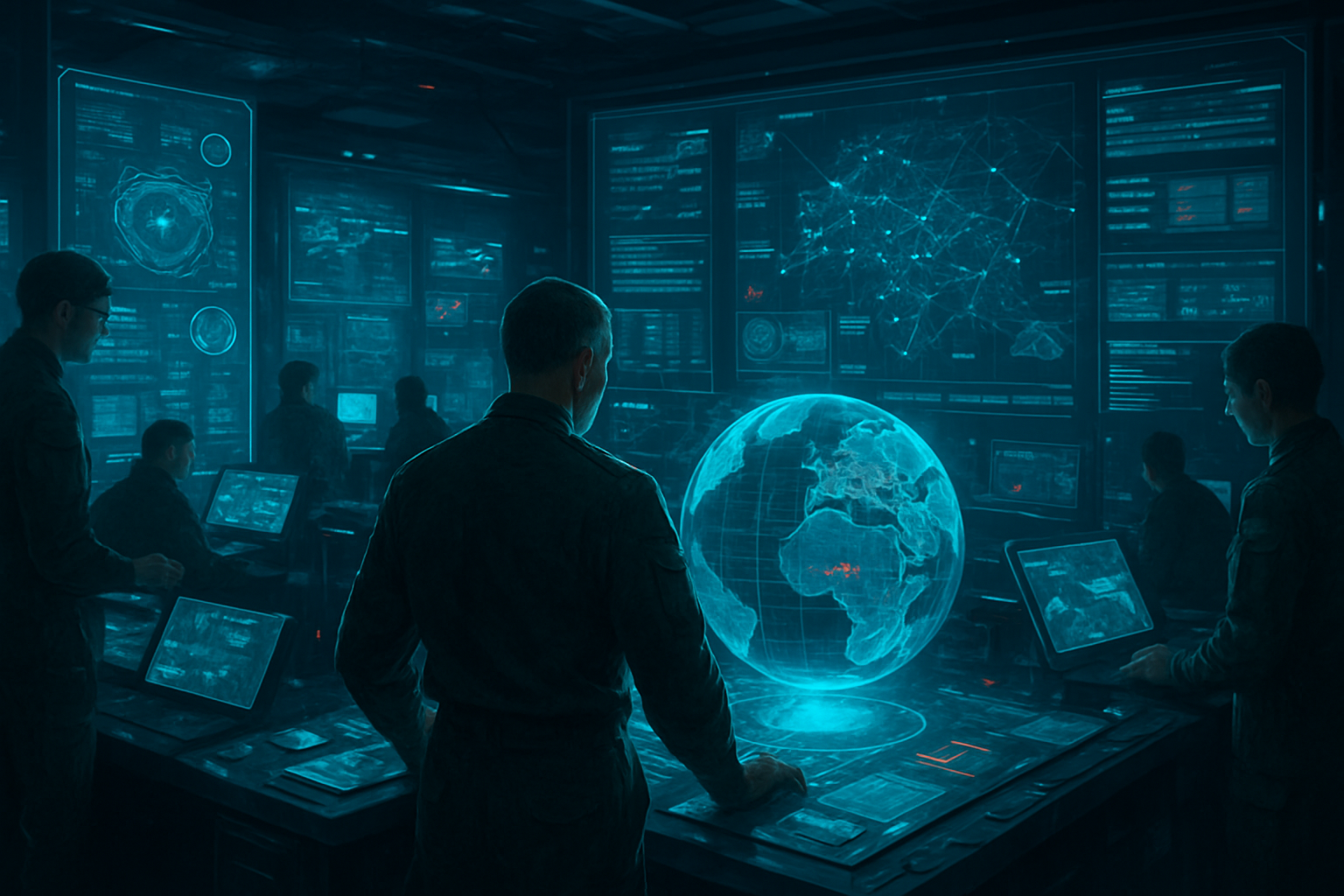
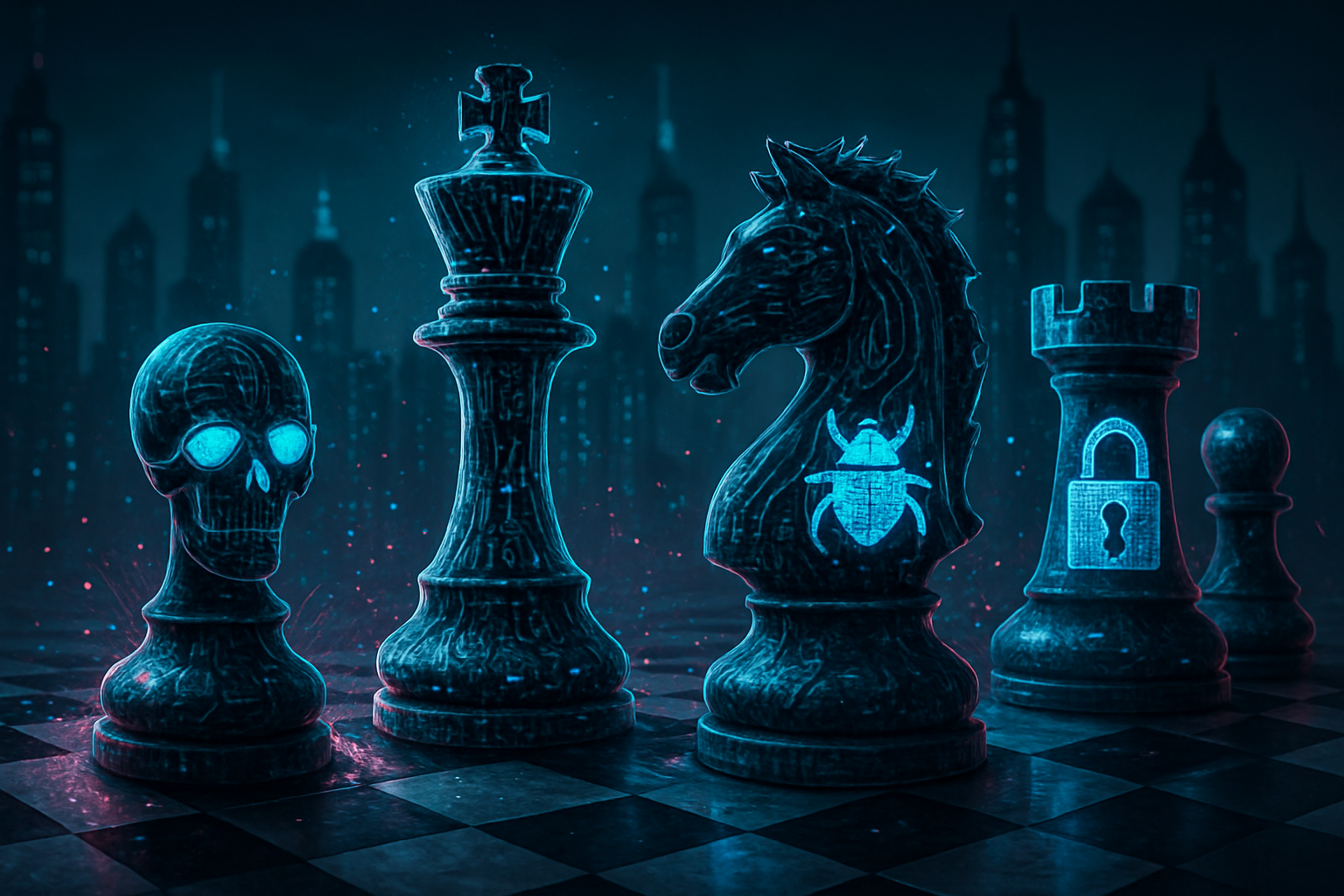
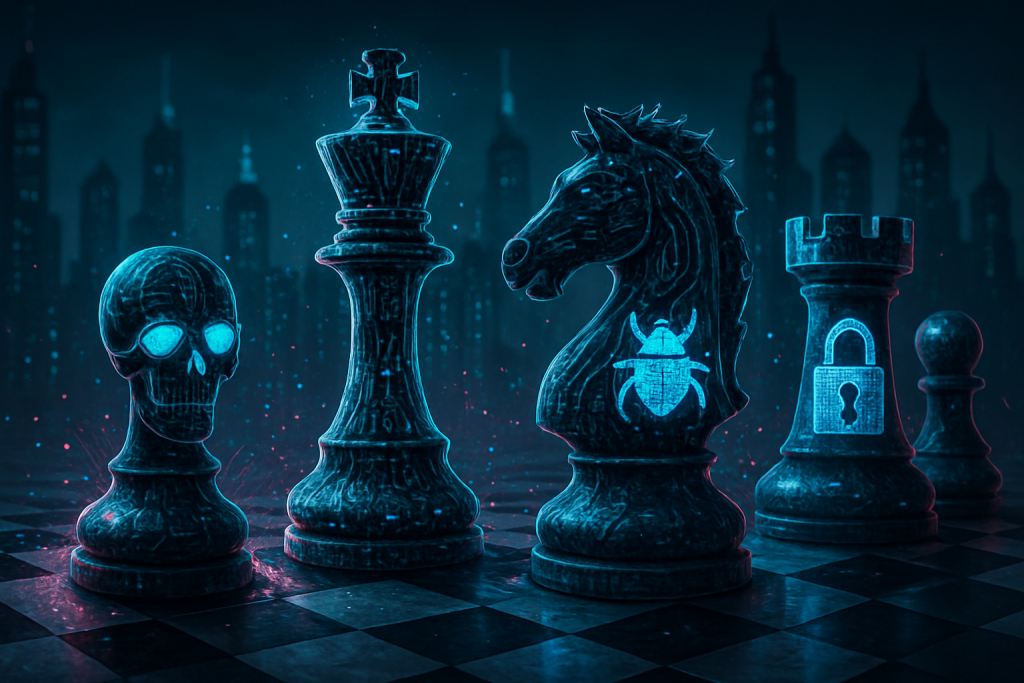
Keast-Butler’s address, delivered with the weight of her position and the urgency of the situation, painted a picture of a world caught in a perpetual “space between peace and war.” It’s not quite the Cold War redux, but something far more insidious- a constant barrage of digital attacks, disinformation campaigns, and subtle manipulations, all fueled by the relentless power of AI. Think of it as a global game of chess, but the pieces are constantly changing shape, and your opponent can predict your moves before you even make them.
The culprit? Well, there isn’t just one. Keast-Butler specifically pointed a finger at Russia, noting their “daily hybrid activity” against Western targets. Even with significant combat losses in Ukraine, their cyber operations remain a persistent and potent threat. It’s as if they’re saying, “Okay, you might have us on the ground, but we can still mess with your heads- and your infrastructure- from a distance.” But Russia is just the tip of the iceberg. The reality is that any nation-state, rogue organization, or even particularly skilled individual with access to sophisticated AI tools poses a significant risk.

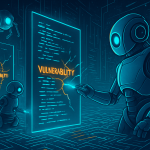
What makes AI such a game-changer in the cyber warfare arena? It’s all about scale, speed, and deception. Remember those CAPTCHA tests we used to hate, the ones with the blurry letters and distorted images? Those were initially designed to distinguish humans from bots. Now, AI can not only breeze through those tests but also generate increasingly convincing fake content, automate phishing attacks with personalized precision, and identify vulnerabilities in systems faster than any human team ever could. It’s like trying to patch holes in a dam while a flood of information is constantly washing over you, each wave carrying new threats and challenges.
Imagine a world where deepfake videos are so realistic they can trigger international incidents, where ransomware attacks cripple entire cities, and where disinformation campaigns are so targeted and persuasive they erode public trust in institutions. This isn’t science fiction; it’s the reality we’re hurtling towards, and AI is the engine driving us there.

Keast-Butler’s warning isn’t just for governments and cybersecurity professionals. It’s a call to action for everyone. “Without a concerted effort from citizens, businesses, and governments to prioritize cybersecurity, the West risks losing the cyber conflict to adversaries,” she stated bluntly. It’s like in the movie *WarGames*, except instead of playing tic-tac-toe, we’re playing a real-life game where the stakes are national security and global stability. We need to learn the rules, understand the strategies, and, most importantly, know when to log off.

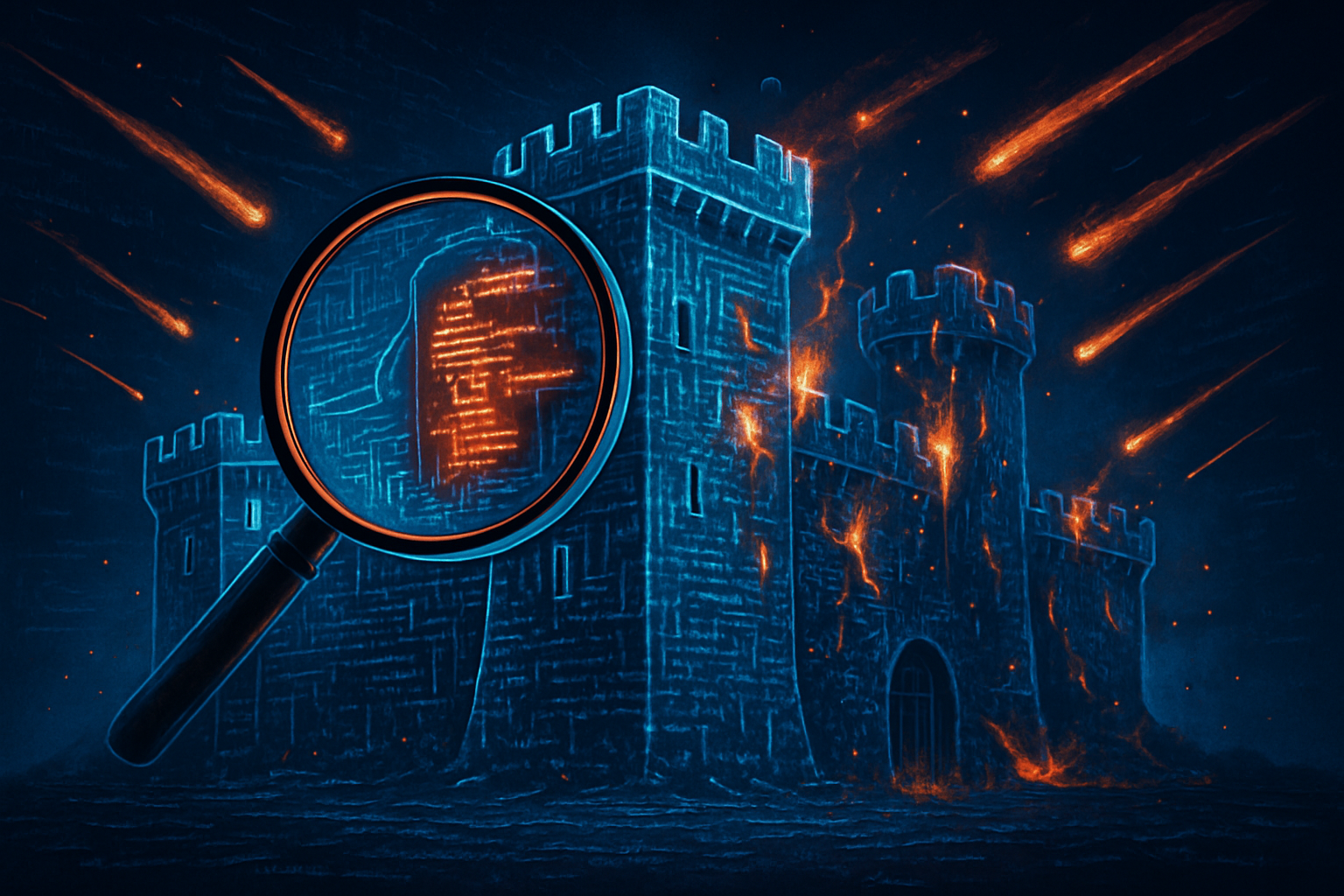
The technical details of these AI-driven attacks are complex, but the underlying principles are relatively straightforward. Adversarial AI, for example, involves crafting inputs specifically designed to fool AI systems. Think of it as feeding an AI system a deliberately misleading piece of information to cause it to misclassify an image, misinterpret a piece of code, or make a wrong decision. This could be as simple as adding a tiny, almost imperceptible, pattern to an image that causes an AI-powered facial recognition system to identify someone incorrectly, or injecting malicious code into a software update that bypasses security checks.
Another area of concern is AI-powered automation of attacks. Previously, cyberattacks required significant human intervention to identify targets, craft exploits, and deploy malware. Now, AI can automate much of this process, allowing attackers to launch far more sophisticated and targeted attacks with minimal human effort. This means that even relatively unsophisticated actors can wield powerful tools, making it harder to attribute attacks and easier to evade detection.
The financial and economic implications of this are staggering. A successful AI-driven cyberattack could cripple critical infrastructure, disrupt supply chains, and steal sensitive data on a massive scale, costing businesses and governments billions of dollars. Beyond the direct financial costs, there’s also the erosion of trust in digital systems, which could have a chilling effect on e-commerce, innovation, and economic growth. Think of the potential damage to the stock market if AI-generated news articles spread false information about a major company, causing its stock price to plummet.
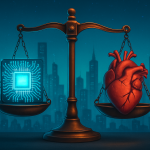
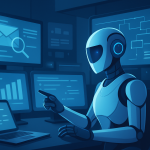
But it’s not all doom and gloom. The same AI technologies that can be used for malicious purposes can also be used to defend against cyberattacks. AI-powered threat detection systems can analyze vast amounts of data in real-time, identifying anomalies and patterns that would be impossible for humans to spot. AI can also be used to automate incident response, quickly isolating and containing attacks before they can cause significant damage. It’s an arms race, a constant back-and-forth between attackers and defenders, each trying to outsmart the other.
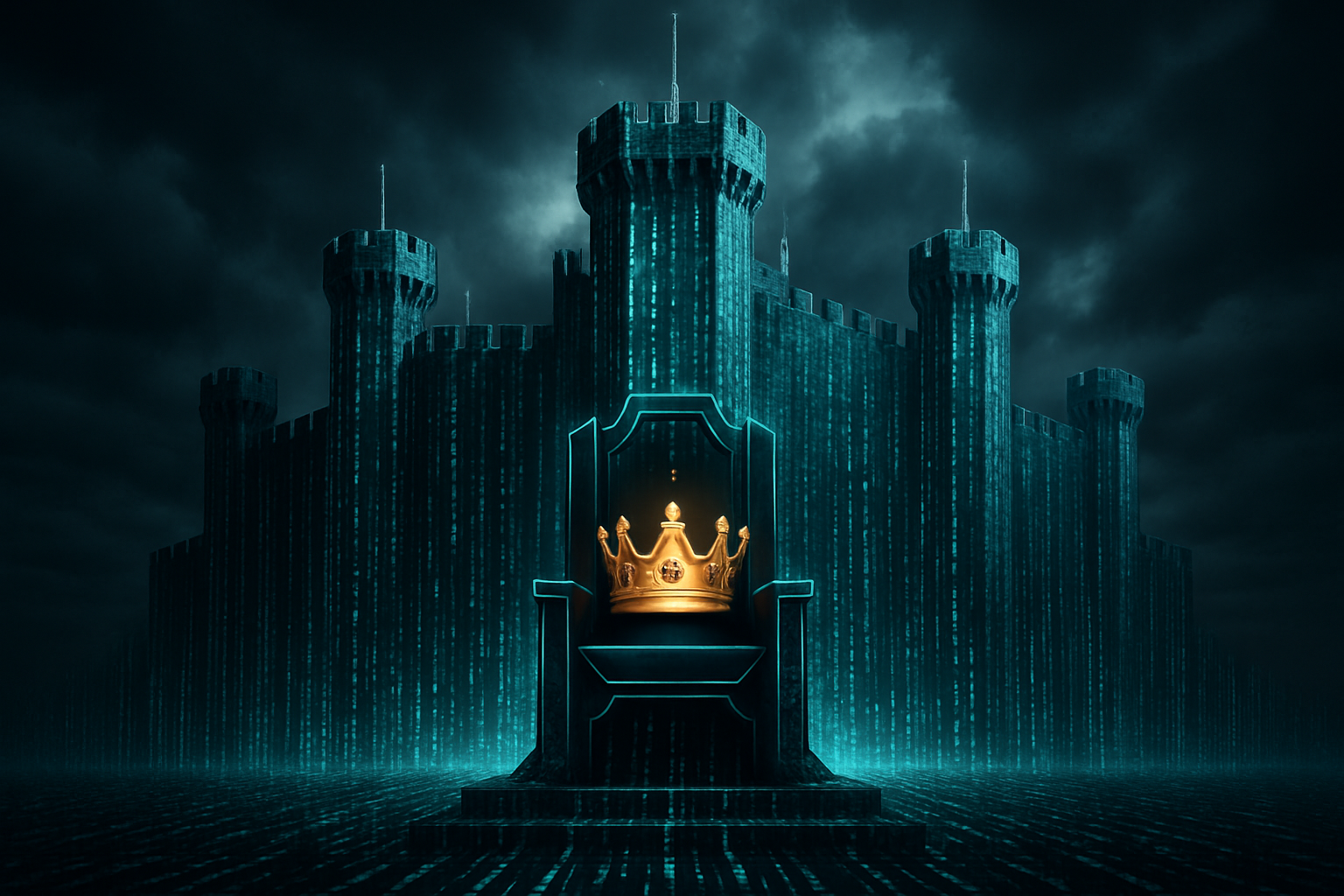
Keast-Butler’s address at Bletchley Park wasn’t just a warning; it was a call to arms. A call for greater investment in cybersecurity, for closer collaboration between governments, businesses, and academia, and for a fundamental shift in how we think about digital security. We need to treat cybersecurity not as an afterthought, but as a core component of everything we do, from designing new technologies to educating the public. It’s time to level up our collective game, or risk losing it all.
Discover more from Just Buzz
Subscribe to get the latest posts sent to your email.