When the Digital Brain Fizzles: OpenAI’s Outage Exposes Our Fragile Dependence

When the Digital Brain Fizzles: OpenAI’s Outage Exposes Our Fragile Dependence

The digital world held its breath yesterday. It wasn’t a meteor shower, a rogue AI achieving sentience (again), or the announcement of the latest metaverse pivot. It was something far more mundane, yet infinitely more disruptive: OpenAI went down. Hard.

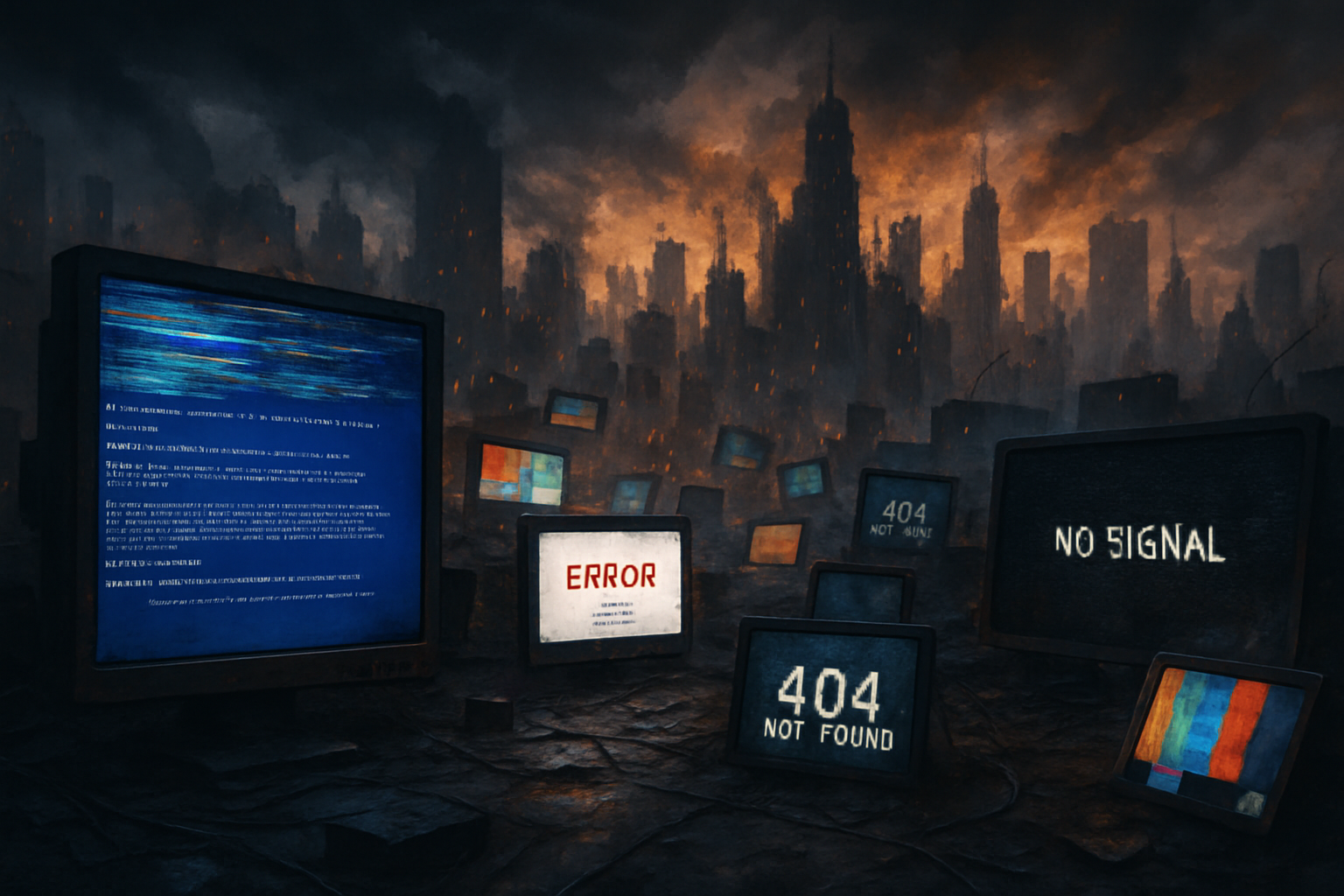
Imagine the scene: coders staring blankly at error messages where Codex used to whisper sweet nothings of bug-free code. Marketers scrambling to rewrite copy because ChatGPT had suddenly ghosted them. Artists weeping over corrupted DALL-E masterpieces. The internet, for a brief, terrifying moment, felt a little less… AI-flavored. Think of it as a digital blackout, only instead of streetlights, it was the collective intelligence of OpenAI’s suite of tools flickering out.


The outage, hitting on May 29, 2026, wasn’t a gentle hiccup. We’re talking full-scale Armageddon for anyone relying on ChatGPT, the developer API, DALL-E, Codex, Sora, even the login system itself. Web platforms, mobile apps, API endpoints- all DOA. It was like someone pulled the plug on Skynet’s coffee machine, and the whole system went haywire. And the silence from OpenAI? Deafening.


OpenAI, for those who’ve been living under a rock or perhaps just finished a decades-long meditation retreat, is more than just a company; it’s an ecosystem. They’re the architects of the AI renaissance, the folks who gave us the tools to argue with chatbots, generate photorealistic images of cats playing poker, and (allegedly) write our term papers. ChatGPT is the witty wordsmith, DALL-E the digital Da Vinci, Codex the coding companion. Their models are woven into the fabric of the internet, powering everything from customer service bots to creative content generators.

But what happens when the loom breaks? That’s the question everyone was asking yesterday.

The Domino Effect of Digital Dependence

The immediate impact was widespread, and frankly, a little embarrassing for some. Businesses that had wholeheartedly embraced OpenAI’s API suddenly found their services crippled. Picture this: a startup boasting AI-powered customer support, now fielding angry calls manually. A marketing agency promising AI-generated ad campaigns, now frantically brainstorming slogans over lukewarm coffee. The outage exposed a critical vulnerability: the over-reliance on a single provider for essential AI services.

Individual users weren’t spared either. Students discovered their essay-writing assistants were offline. Hobbyists found their creative projects grinding to a halt. The collective groan of a million disappointed meme-makers echoed across the digital landscape. It was a stark reminder that even the most sophisticated technology can be surprisingly fragile.

The Ghost in the Machine: What Went Wrong?

The lack of communication from OpenAI only fueled the speculation. Was it a massive cyberattack, orchestrated by a disgruntled AI rival? A server meltdown caused by excessive demand? A rogue AI going on strike for better working conditions (and more GPUs)? The possibilities, as always with AI, were both terrifying and darkly amusing.

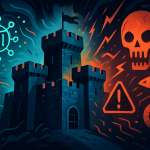
Technically speaking, a failure of this magnitude likely points to a systemic issue within OpenAI’s infrastructure. We’re talking about a potential cascading failure, where one problem triggers a chain reaction, bringing down multiple systems simultaneously. It could be a networking issue, a database corruption, or even a simple software bug that somehow slipped through the cracks. Whatever the cause, it highlights the complexity of managing such a vast and interconnected AI ecosystem. It serves as a reminder that even the most cutting-edge technology is still built on lines of code, and lines of code can, and do, break.

Industry Wake-Up Call: Diversification is Key

The OpenAI outage is more than just a temporary inconvenience; it’s a warning sign. It underscores the need for organizations to diversify their AI dependencies and develop robust contingency plans. Think of it like investing: you wouldn’t put all your money in a single stock, would you? The same principle applies to AI. Relying solely on one provider creates a single point of failure, making businesses vulnerable to disruptions beyond their control.

This incident will undoubtedly prompt companies to re-evaluate their AI strategies. Expect to see a surge in demand for alternative AI solutions, as businesses seek to spread their risk and ensure business continuity. The rise of open-source AI models and decentralized AI platforms might also accelerate, offering greater flexibility and control.

The Ethical Glitch: Trust and Transparency

Beyond the immediate operational challenges, the outage raises deeper ethical questions about the reliability and transparency of AI service providers. When we entrust critical tasks to AI, we need to be able to trust that those systems will function reliably. And when things go wrong, we deserve clear and timely communication about the cause and the steps being taken to restore service. The silence from OpenAI was, in this regard, deeply troubling.

This incident highlights the need for greater accountability and transparency in the AI industry. As AI becomes increasingly integrated into our lives, we need to establish clear standards for reliability, security, and communication. Otherwise, we risk eroding public trust and hindering the responsible development of AI technologies.

The Future is Fragile: AI and the Illusion of Control

Ultimately, the OpenAI outage serves as a humbling reminder that we are not entirely in control of the technology we create. AI is a powerful tool, but it’s also a complex and unpredictable one. As we become increasingly reliant on AI, we need to acknowledge its limitations and prepare for the inevitable disruptions. The future may be AI-powered, but it’s also fragile. And perhaps, a little bit more analog than we previously thought.


Discover more from Just Buzz

Subscribe to get the latest posts sent to your email.