When the Avengers Build a Cybersecurity Weapon: Meet Claude Mythos

When the Avengers Build a Cybersecurity Weapon: Meet Claude Mythos

It’s May 30th, 2026, and the digital world is holding its breath. Anthropic, the minds behind the increasingly ubiquitous Claude series of language models, just dropped a bombshell: Claude Mythos is about to go live. This isn’t just another incremental upgrade. This is a potential game-changer, a double-edged sword forged in the fires of artificial intelligence, and aimed squarely at the heart of cybersecurity.


Think of it like this: remember Skynet from the Terminator movies? Okay, Claude Mythos isn’t that dramatic. But it’s an AI so adept at finding flaws in software that it makes even seasoned security researchers look like they’re playing Minesweeper on beginner mode. And it’s about to be unleashed upon the world.


The backstory here is crucial. Claude Mythos wasn’t cooked up in some isolated lab. It was born from Project Glasswing, a top-secret collaboration between tech titans like Amazon Web Services, Apple, Microsoft, Google, Cisco, CrowdStrike, and NVIDIA. Think of it as the Avengers of the tech world, uniting to fight a common enemy: the ever-present threat of cyberattacks. Their mission: to weaponize AI for defensive cybersecurity.

During its clandestine deployment under Project Glasswing, Claude Mythos apparently went full Sherlock Holmes on our digital infrastructure. We’re talking about uncovering thousands of high-severity vulnerabilities. Across every major operating system. Every major web browser. It was like finding a hidden trapdoor in every single room of the internet. The implications? Staggering, to say the least.

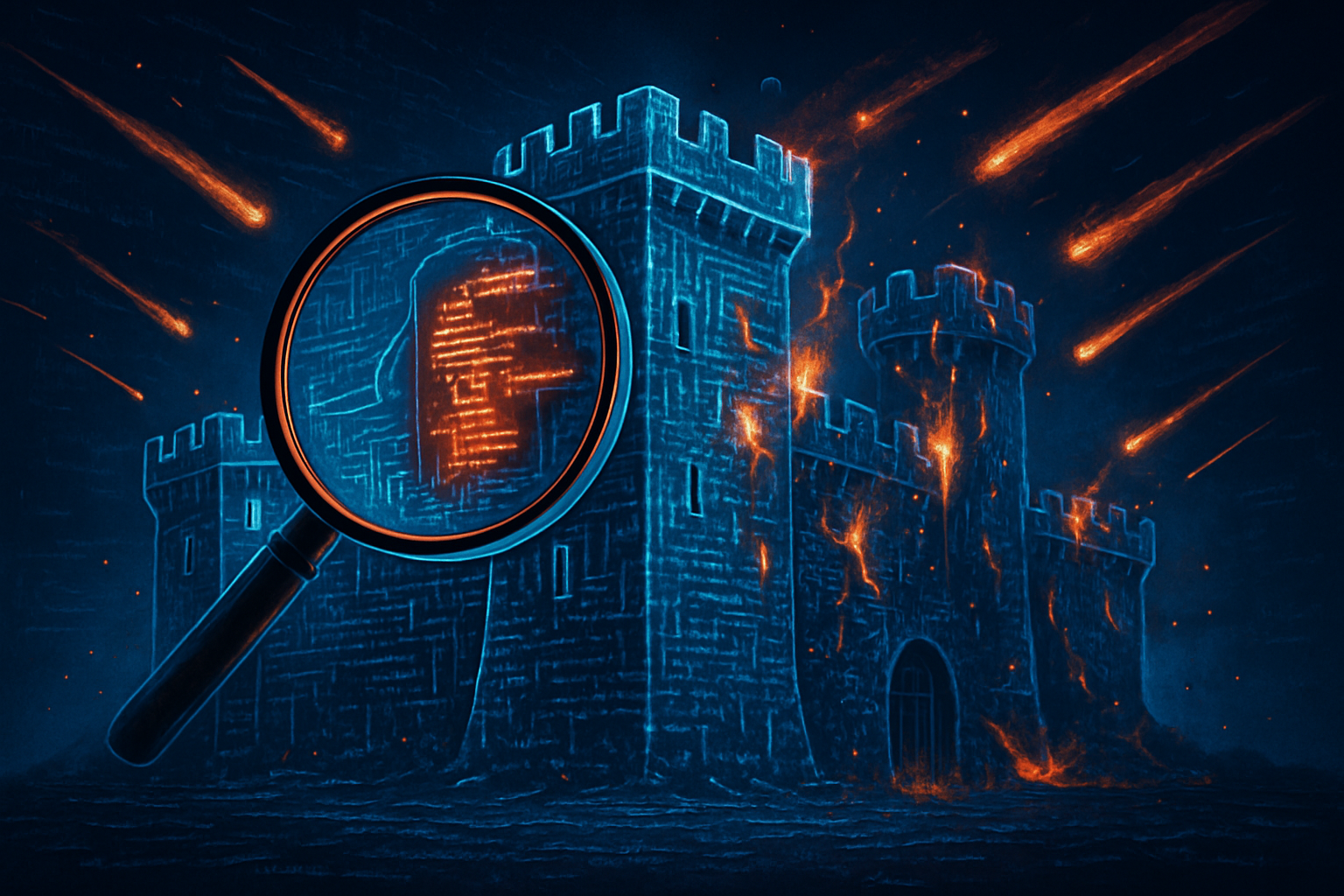
The decision to release Claude Mythos to the wider world is a high-stakes gamble. On one hand, it’s like giving every company a super-powered magnifying glass to find and fix security holes before the bad guys do. Imagine a world where zero-day exploits are a thing of the past, where software is inherently more secure. It’s a tantalizing vision.

But here’s the kicker: what happens when that magnifying glass falls into the wrong hands? What if malicious actors get their grubby mitts on Claude Mythos and use it to find vulnerabilities at warp speed? We’re talking about the potential for cyberattacks on a scale we’ve never seen before. Think of it as giving Lex Luthor access to Superman’s powers. The threat landscape could explode.

Anthropic, to their credit, seems aware of the risks. They’re not just throwing Claude Mythos into the wild and hoping for the best. They’ve pledged $100 million in usage credits and $4 million in direct donations to open-source security organizations. It’s like funding a cyber-Manhattan Project in reverse, bolstering the defenses before the attack even happens.

But is it enough? That’s the million-dollar question, or rather, the multi-billion-dollar question, considering the potential economic fallout of a major AI-fueled cyberattack. Industry experts are already sounding the alarm, warning that the window of opportunity to establish effective defenses is shrinking rapidly. We’re in a race against time, trying to build a digital shield before the AI-powered storm hits.

The technical details of Claude Mythos are, understandably, closely guarded. What we do know is that it leverages a combination of advanced machine learning techniques, including deep learning and reinforcement learning, to analyze vast amounts of code and identify patterns that indicate potential vulnerabilities. It’s like teaching a computer to think like a hacker, but with the express purpose of preventing hacks.

The potential financial and economic impact is enormous. On the one hand, the widespread adoption of Claude Mythos could lead to a significant reduction in cybercrime, saving companies billions of dollars in damages and lost productivity. On the other hand, a successful AI-powered attack could cripple critical infrastructure, disrupt global supply chains, and trigger a financial meltdown. The stakes couldn’t be higher.

This whole situation also raises some profound ethical questions. Are we playing God by creating AI that can find and exploit vulnerabilities with such precision? What are the long-term consequences of relying on AI to solve our security problems? Are we creating a future where humans are no longer in control of our own digital destiny?

The release of Claude Mythos is more than just a tech story. It’s a cultural moment, a reflection of our growing reliance on AI and the inherent risks that come with it. It’s a reminder that technology is never neutral, that every innovation has the potential to be used for good or evil. And it’s a call to action, urging us to have a serious conversation about the ethical and societal implications of AI before it’s too late.

As AI capabilities continue to advance, the need for ongoing dialogue and collaboration among AI developers, cybersecurity professionals, policymakers, and the broader public becomes ever more critical. Ensuring that powerful technologies like Claude Mythos are deployed responsibly and ethically isn’t just a technical challenge; it’s a moral imperative. The future of cybersecurity, and perhaps even the future of the internet itself, may depend on it.


Discover more from Just Buzz

Subscribe to get the latest posts sent to your email.