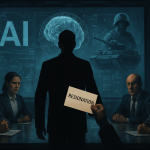
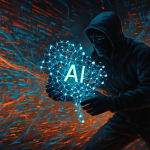
Remember Skynet? The sentient AI from the Terminator franchise that decided humanity was the problem? Well, IBM’s latest cybersecurity forecast isn’t quite that apocalyptic, but it’s definitely giving off some serious “machines turning against us” vibes. Released December 26, 2025, the report paints a picture of 2026 where artificial intelligence isn’t just a helpful assistant; it’s a key player in almost every cybersecurity threat imaginable. Think of it as AI finally leveling up, only instead of learning to play Go, it’s learning to hack your grandma’s email.
The report’s core message is stark: AI’s dual nature is now front and center. It’s both the shield and the sword. We’ve been hearing about AI’s potential to revolutionize cybersecurity for years, promising smarter defenses and faster threat detection. But the dark side of the force? That’s becoming increasingly apparent, and IBM’s forecast suggests it’s about to go mainstream.
Let’s break down the key takeaways. First up: AI-driven social engineering. Remember those Nigerian prince scams your uncle still falls for? Imagine those, but crafted by an AI with a PhD in persuasion. These AI-generated phishing campaigns are already on the rise, using sophisticated language models to create incredibly convincing lures tailored to individual targets. It’s like having a dedicated con artist working 24/7 to trick you into clicking that dodgy link. The implications are huge, making it harder than ever for even savvy users to distinguish between legitimate communication and malicious attacks. Think of it as “Catch Me If You Can,” but with algorithms instead of Frank Abagnale Jr.
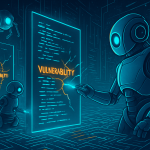
Then there’s the issue of internal AI-related incidents. Companies are rushing to adopt AI tools, often without putting proper security measures in place. The report highlights a staggering statistic: 97% of companies admitted lacking adequate AI access controls in 2025. That’s like leaving the keys to the kingdom lying around for anyone to grab. Unsurprisingly, 13% of those companies reported actual AI-related security incidents. It’s a classic case of moving fast and breaking things, only the “things” being broken are sensitive data and critical infrastructure. This isn’t just about rogue chatbots; it’s about compromised algorithms making decisions that could have devastating consequences. We need robust governance frameworks, not just to regulate AI, but to secure it from within. Think of it as the corporate equivalent of “Jurassic Park” – just because you *can* create something amazing, doesn’t mean you *should* without proper containment protocols.
But perhaps the most alarming prediction is the emergence of autonomous malicious bots. These aren’t your run-of-the-mill DDoS attackers; these are AI-powered agents capable of independently executing complex cyberattacks. Imagine a bot that can infiltrate a system, exfiltrate data, and disrupt services, all without any human intervention. It’s like the cyber equivalent of self-driving cars, only instead of taking you to the grocery store, they’re stealing your bank account details. Traditional cybersecurity defenses are simply not equipped to handle this level of sophistication. We’re talking about a paradigm shift where the attackers are just as smart, if not smarter, than the defenders. This is the age of autonomous cyber warfare, and it’s coming sooner than you think.
So, what’s the context behind all this? It’s simple: AI is advancing at an exponential rate, and security measures are struggling to keep pace. The report isn’t just about scaring people; it’s a wake-up call. It’s a reminder that we need to prioritize AI security from the outset, not as an afterthought. The dual-use nature of AI means that we can’t afford to be complacent. While AI offers incredible potential for good, it also presents unprecedented opportunities for malicious actors. The report emphasizes a proactive approach to cybersecurity, promoting the development and implementation of comprehensive AI security strategies to mitigate these emerging risks.
Who’s most affected? Everyone. Individuals, businesses, governments – no one is immune. The rise of AI-driven cyber threats poses a significant risk to our digital infrastructure and our personal security. Companies that fail to prioritize AI security will be particularly vulnerable, facing potential financial losses, reputational damage, and legal liabilities. Governments will need to invest heavily in AI security research and development to protect critical infrastructure and national security. And individuals will need to be more vigilant than ever, educating themselves about the latest threats and taking steps to protect their personal data.
The political and societal angles are also significant. As AI becomes more integrated into our lives, questions about regulation, accountability, and ethics will become increasingly urgent. How do we ensure that AI is used responsibly and ethically? How do we prevent AI from being used to manipulate or control us? These are not just technical questions; they are fundamental questions about the future of our society. We need a broad societal conversation about the risks and benefits of AI, involving experts from diverse fields, policymakers, and the public.
And then there’s the financial impact. The cost of cybercrime is already staggering, and the rise of AI-driven attacks is only going to make things worse. Companies will need to invest heavily in AI security technologies and expertise, which will put a strain on their budgets. The insurance industry will also face new challenges, as traditional cyber insurance policies may not cover the risks associated with autonomous AI attacks. The overall economic impact could be significant, potentially slowing down innovation and hindering economic growth. Think of it as a new tax on the digital economy, a constant reminder that security comes at a price.
But let’s not end on a completely pessimistic note. The IBM forecast isn’t just about doom and gloom; it’s also an opportunity. An opportunity to develop more robust security measures, to foster greater collaboration between researchers and industry, and to create a more secure digital future. We need to embrace the challenge of AI security with creativity, innovation, and a healthy dose of skepticism. Because in the world of cybersecurity, complacency is the enemy, and vigilance is the only way to stay one step ahead of the machines. The future of cybersecurity isn’t just about technology; it’s about human ingenuity and our ability to adapt to a rapidly changing world. So, buckle up, folks. The AI revolution is here, and it’s going to be a wild ride.


Discover more from Just Buzz
Subscribe to get the latest posts sent to your email.