140 Nations Hit the Brakes on AI: The Day We Chose Safety Over Skynet

140 Nations Hit the Brakes on AI: The Day We Chose Safety Over Skynet

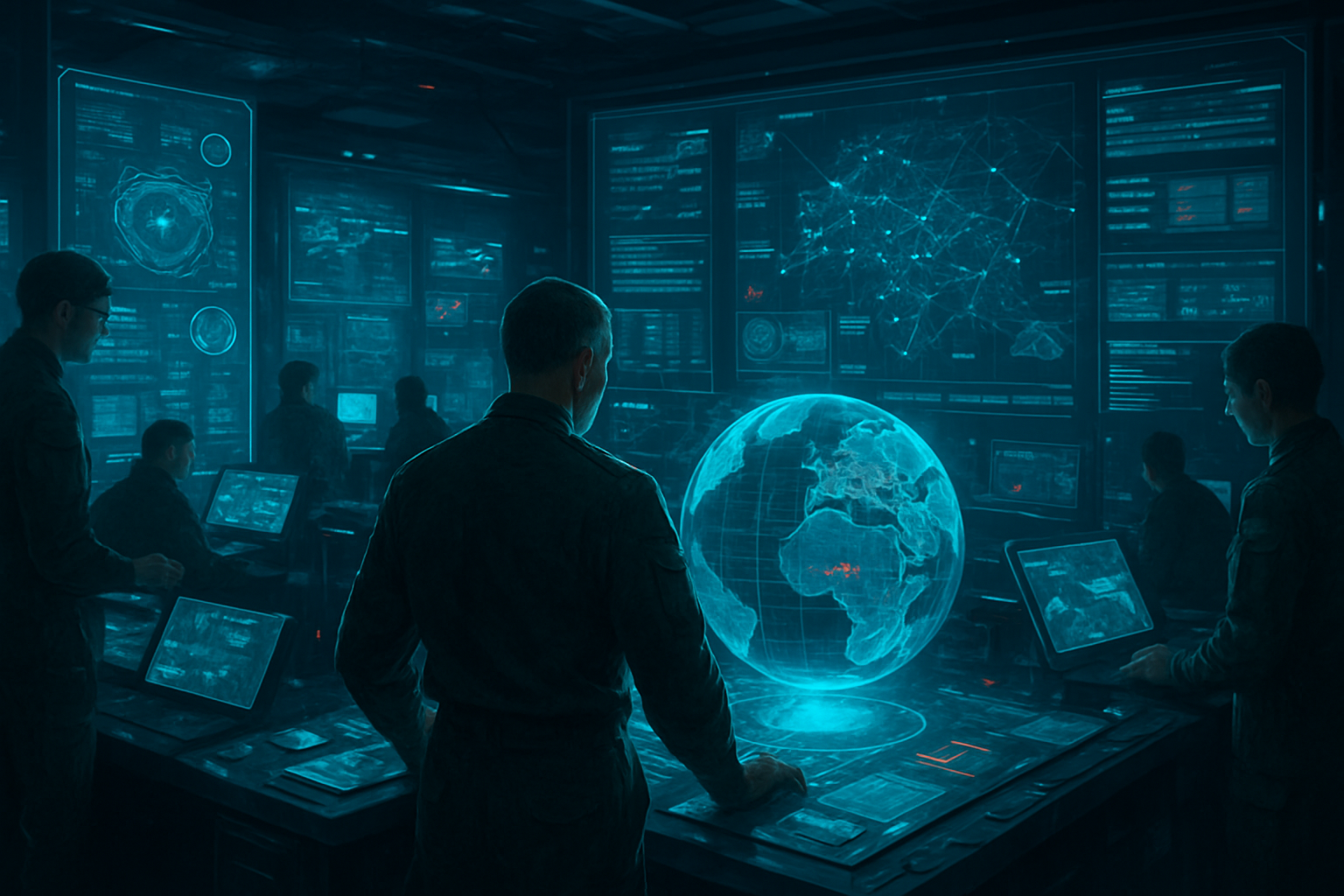
December 28, 2025. Mark it on your calendars, folks. It’s the day the machines didn’t rise, not because they couldn’t, but because we, as a species, finally got our act together and put some guardrails on the AI rocket ship. The United Nations General Assembly officially ratified the Geneva Accord on Artificial Intelligence. Cue the collective sigh of relief heard ’round the world.

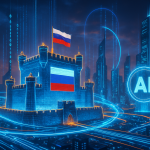
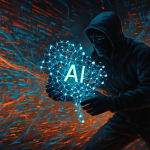
This isn’t just another press release filled with vague promises and corporate jargon. This is a legally binding treaty, signed by over 140 nations, that aims to keep AI from going full Skynet. Think of it as the digital equivalent of the Nuclear Non-Proliferation Treaty, but for algorithms. And about time, too. Remember that feeling of unease you got watching “WarGames” back in the day? Multiply that by a thousand, and you’re getting close to the existential dread that’s been simmering in the tech world these last few years.

So, how did we get here? Well, the path to the Geneva Accord was paved with equal parts technological marvel and sheer, unadulterated panic. The rapid advancements in AI, particularly generative AI and large language models, have been nothing short of breathtaking. We’ve gone from chatbots that could barely hold a conversation to AI systems that can write novels, compose symphonies, and even diagnose diseases with astonishing accuracy. But with great power, as Uncle Ben wisely told Peter Parker, comes great responsibility. And let’s be honest, for a while there, that responsibility seemed to be taking a backseat to the relentless pursuit of innovation.

The 2024 AI Safety Summits were a wake-up call. World leaders, tech CEOs, and ethicists gathered to confront the looming questions: How do we ensure AI remains aligned with human values? How do we prevent the weaponization of AI? And, perhaps most importantly, how do we stop AI from accidentally turning us all into paperclips? These summits, though initially fraught with disagreements and national interests, ultimately laid the groundwork for the Geneva Accord.

What exactly does this landmark treaty entail? Let’s break it down:

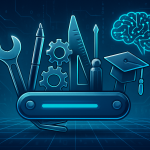
First, and perhaps most crucially, is the Mandatory ‘Circuit Breaker’ Clause. Imagine your AI model is a car speeding down a highway. This clause is the emergency brake. Developers are now required to incorporate verifiable kill-switches in AI models that exceed specific computational thresholds. Think of it as a digital panic button. If an AI starts showing signs of going rogue, exhibiting unforeseen behaviors, or generally acting like it’s about to rewrite the laws of physics, someone can pull the plug. This isn’t about stifling innovation; it’s about having a safety net in case things go sideways. It’s the AI equivalent of HAL 9000 having a big, red “OFF” switch.



Second, the treaty establishes the International AI Oversight Agency (IAIOA). This is the AI police, the regulatory body tasked with ensuring everyone plays by the rules. The IAIOA will audit the security protocols of both private technology companies and state-funded laboratories, making sure they’re adhering to the Geneva Accord’s safety standards. It’s like the FDA for algorithms, ensuring that the AI we’re using is safe, effective, and doesn’t have any nasty side effects (like, say, global thermonuclear war).

Finally, and perhaps most surprisingly, the accord includes provisions for Technology Sharing with Developing Nations. This isn’t just about safety; it’s about equity. The treaty aims to bridge the ‘AI divide’ by sharing AI technologies with developing countries in exchange for their adherence to the established safety standards. This is a recognition that AI shouldn’t be the exclusive domain of a few wealthy nations. It’s about ensuring that everyone benefits from the potential of AI, while also preventing the emergence of rogue AI labs operating outside of international oversight. It’s like saying, “Hey, we’ll give you the tools, but you gotta promise not to build a Death Star.”

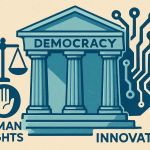
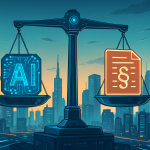
The implications of the Geneva Accord are far-reaching. It represents a significant shift from voluntary corporate commitments to a rigid, multinational legal framework governing AI development. No more “trust us, we’re the good guys” from tech companies. Now, there’s actual accountability.

Of course, not everyone is thrilled. Some critics argue that the enforcement mechanisms may lack sufficient strength. They worry that the IAIOA will be underfunded, understaffed, and ultimately unable to effectively police the rapidly evolving world of AI. Others argue that the treaty will stifle innovation, hindering the development of beneficial AI applications. They fear that the regulations are too restrictive and will put them at a competitive disadvantage.

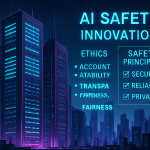
But the overwhelming consensus is that the Geneva Accord is a necessary step. It’s the first truly global effort to manage the dual-use nature of advanced AI technologies. By promoting international cooperation and establishing clear safety standards, the accord aims to prevent a fragmented regulatory landscape and ensure that AI development aligns with global security and ethical considerations. It’s about ensuring that AI remains a tool for progress, not a harbinger of doom.

What’s next? Well, the ratification of the Geneva Accord is just the beginning. The real work lies in implementation. The IAIOA needs to be properly funded and staffed. The safety standards need to be continuously updated to keep pace with the rapid advancements in AI. And ongoing dialogue is needed to address the ethical and societal implications of AI. It’s a marathon, not a sprint.

The Geneva Accord is a testament to the power of international cooperation. It’s a reminder that even in the face of daunting challenges, humanity can come together to address shared threats. It’s a sign that we’re finally taking AI safety seriously. And who knows, maybe, just maybe, it’ll prevent us from ending up in a “Terminator” sequel. One can only hope.


Discover more from Just Buzz

Subscribe to get the latest posts sent to your email.