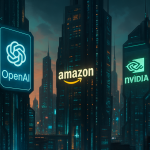
The year is 2026. Flying cars are still just a glimmer in Elon Musk’s eye (probably), but the real revolution? It’s happening inside the silicon. And yesterday, January 2nd, the ground shifted. OpenAI, the folks who brought us GPT-3, GPT-4, and the existential dread that sometimes accompanies talking to a chatbot that sounds a little too human, just landed a staggering $40 billion investment from SoftBank. Let that number sink in. Forty. Billion. We’re talking Smaug-levels of gold here.

Now, before we all start panicking about Skynet becoming self-aware and demanding better server cooling, let’s unpack this. This isn’t just chump change being thrown at the latest viral meme app. This is a tectonic plate shifting in the AI landscape. To understand why, we need to rewind a bit.



Think back to 2015. OpenAI was founded with a noble, almost utopian goal: to ensure that artificial general intelligence (AGI) benefits all of humanity. It was a time of open-source idealism, a stark contrast to the walled gardens being built by tech giants. Early days were about research, experimentation, and a healthy dose of “what if?” But the “what if?” quickly turned into “holy moly, this is actually working!” with the release of models like GPT-3. Suddenly, AI wasn’t just about predicting your next Amazon purchase; it was about writing poetry, generating code, and even holding surprisingly coherent (if occasionally nonsensical) conversations. GPT-4, of course, took things to a whole new level, blurring the lines between human and machine creativity.
Enter SoftBank, the Japanese investment behemoth known for its bold (and sometimes controversial) bets on the future. They’re the folks who brought us the Vision Fund, a sprawling, multi-billion dollar pot of money aimed at backing companies poised to disrupt entire industries. SoftBank’s history is littered with both spectacular successes and equally spectacular flameouts. Remember WeWork? SoftBank does. But they also backed companies like Arm, the chip designer powering pretty much every smartphone on the planet. So, they know a thing or two about spotting (or at least trying to spot) a game-changer.
This $40 billion investment isn’t just a vote of confidence in OpenAI; it’s a declaration of war… or, perhaps more accurately, a declaration of a new era. An era where AI isn’t just a buzzword; it’s the engine driving everything from drug discovery to personalized education. It’s the invisible hand (or algorithm) shaping our world in ways we’re only beginning to understand.
What Does $40 Billion Buy You in the AI Arms Race?
So, where’s all that cash going? Well, first and foremost, it’s fueling the engine of innovation. OpenAI needs serious computing power to train these massive models. Think server farms the size of small cities, humming away 24/7, crunching data and refining algorithms. This investment allows OpenAI to scale its infrastructure, attracting top talent and pushing the boundaries of what’s possible. It’s not just about making chatbots that can write sonnets; it’s about developing AI systems that can solve some of humanity’s most pressing challenges, from climate change to disease eradication.
But it’s also about deployment. OpenAI isn’t just a research lab; it’s a company that needs to turn its technology into products and services. This investment allows them to expand their reach, partnering with companies across various industries to integrate AI into their workflows. Imagine AI-powered tools that can diagnose diseases with unparalleled accuracy, design new materials with specific properties, or even personalize learning experiences for every student. That’s the promise, and this investment brings it one giant leap closer.
The Ripple Effect: Who Wins, Who Loses?
The immediate winners are clear: OpenAI, SoftBank, and the AI researchers who are now swimming in a pool of resources. But the ripple effect extends far beyond Silicon Valley. Industries like healthcare, finance, education, and manufacturing are all poised to be transformed by AI. Companies that embrace AI early and effectively will gain a significant competitive advantage. Those that resist? They risk becoming the Blockbusters of the 2020s.
But there are also potential losers. The rise of AI raises profound questions about the future of work. As machines become increasingly capable of performing tasks that were once the exclusive domain of humans, what happens to the workforce? Retraining programs will be crucial, but the transition won’t be easy. And let’s not forget the ethical considerations. AI bias, data privacy, and the potential for misuse are all serious concerns that need to be addressed head-on. The “Terminator” movies might be a bit over the top, but they serve as a cautionary tale about the dangers of unchecked technological advancement.
The Political and Philosophical Minefield
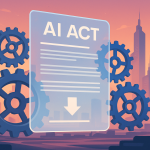
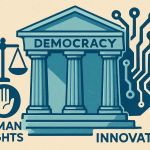
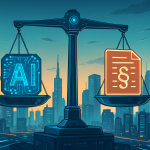
This investment also throws fuel on the already raging fire of the AI regulatory debate. Governments around the world are scrambling to figure out how to regulate this powerful technology without stifling innovation. The EU is leading the charge with its AI Act, but other countries are taking different approaches. The stakes are high. Get it wrong, and we risk creating a dystopian future where AI is used to control and manipulate us. Get it right, and we unlock a new era of human flourishing.
Philosophically, this investment forces us to confront some uncomfortable questions about what it means to be human. If a machine can write a better poem than a human, does that diminish the value of human creativity? If an AI can diagnose a disease more accurately than a doctor, does that make the doctor obsolete? These are not easy questions, and there are no easy answers. But they are questions we need to grapple with as AI continues to evolve.
The Bottom Line: Buckle Up, Buttercup
SoftBank’s $40 billion bet on OpenAI is a watershed moment. It’s a sign that AI is no longer a futuristic fantasy; it’s a present-day reality that is reshaping our world in profound ways. The next few years will be a wild ride, filled with both excitement and uncertainty. One thing is clear: the AI revolution is here, and it’s only just getting started. So, buckle up, buttercup. It’s going to be a bumpy, but ultimately fascinating, journey.
Discover more from Just Buzz
Subscribe to get the latest posts sent to your email.