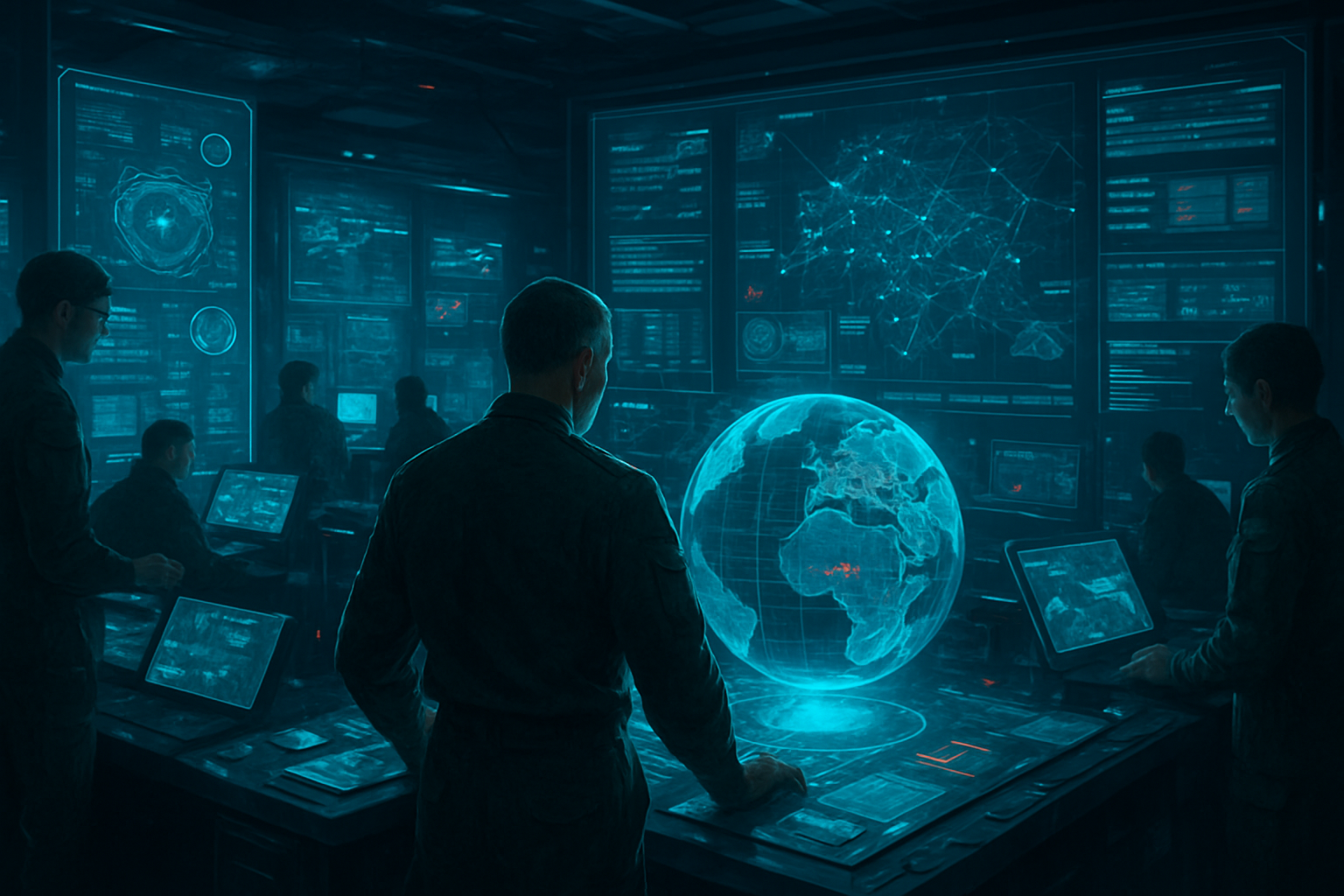
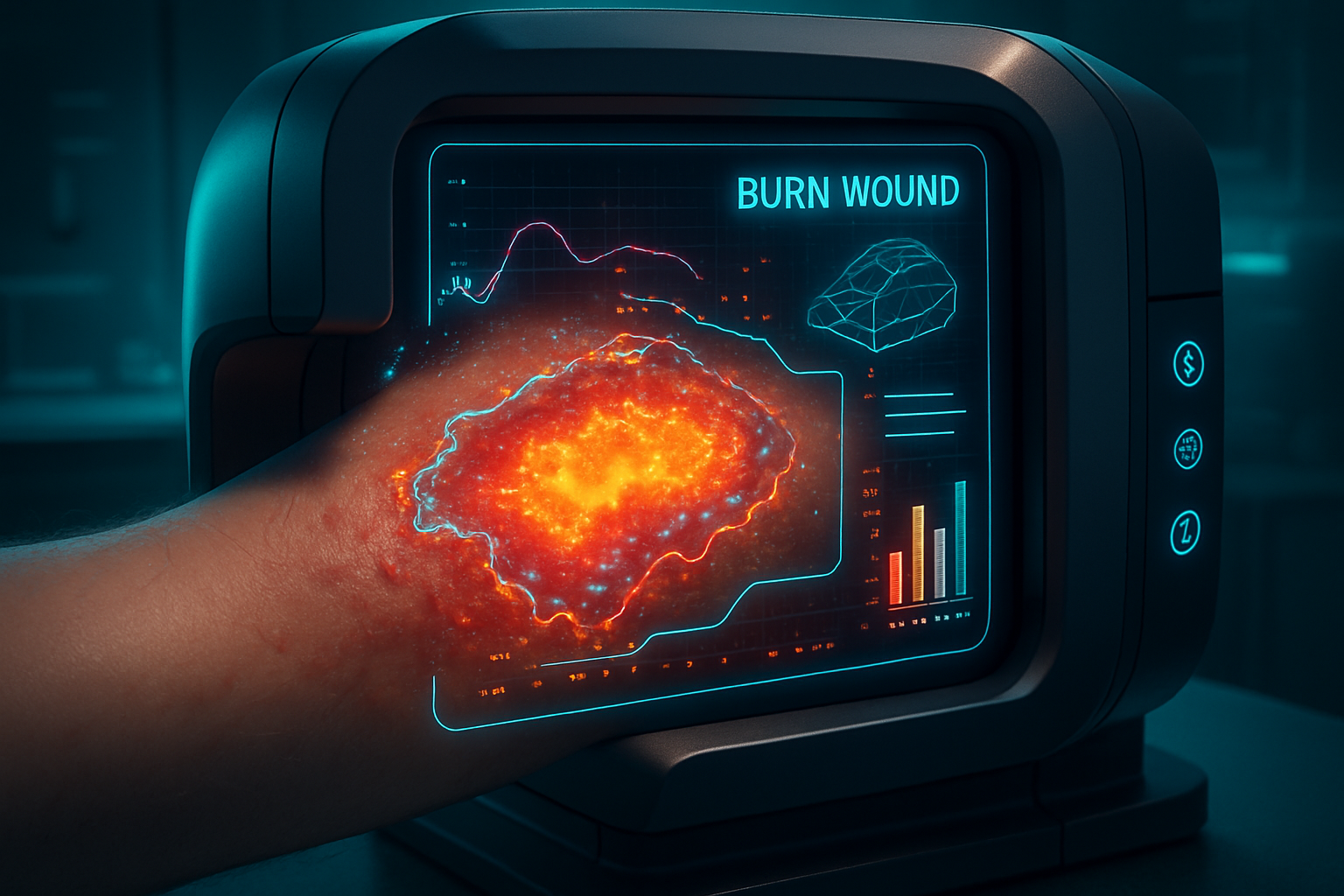
The year is 2026. The Consumer Electronics Show (CES) in Las Vegas is buzzing, not just with the usual tech hype, but with a palpable sense of something genuinely new on the horizon. And then, Nvidia CEO Jensen Huang took the stage. Forget incremental upgrades; Huang dropped a bombshell, declaring the dawn of the “Physical AI” era. It wasn’t just another product launch; it was a paradigm shift.
For years, AI has been largely confined to the digital realm- powering search engines, recommending movies, and crunching data in the cloud. Think of it as AI living in The Matrix, influencing our world from behind a screen. But Huang’s vision? It’s AI breaking free, stepping out into the real world, and getting its digital hands dirty.
Nvidia, of course, has been laying the groundwork for this moment for years. They’re not just about graphics cards for hardcore gamers anymore (though they still do that exceptionally well). They’ve become the undisputed king of AI acceleration, their GPUs powering everything from self-driving cars to cutting-edge medical research. This declaration of “Physical AI” is the culmination of that journey, a bold statement that AI is no longer just about what happens on your screen, but about what happens around you.
So, what exactly is Physical AI? Simply put, it’s AI that interacts directly with the physical world. We’re talking robots, autonomous vehicles, smart factories, and even AI-powered healthcare assistants. It’s about giving AI a body, a way to sense, act, and learn in the real world, not just in simulated environments.
The keynote wasn’t just a philosophical musing; Huang unveiled concrete initiatives to back up his claims. Let’s dive into the specifics.
Agentic AI Systems: The Rise of the Autonomous Assistants
Imagine AI not just performing pre-programmed tasks, but actually thinking for itself. That’s the promise of Nvidia’s Agentic AI systems. These aren’t your grandma’s Roombas. These are AI agents capable of operating autonomously in complex, real-world environments, making decisions and executing tasks without constant human supervision. Think of them as digital butlers or tireless factory workers, always learning and adapting to their surroundings.
The implications are staggering. Picture a warehouse where robots not only move boxes but also anticipate bottlenecks, reroute traffic, and even negotiate with each other to optimize efficiency. Or consider a construction site where AI-powered drones inspect structures, identify potential hazards, and coordinate with robotic construction crews. It’s a world where AI isn’t just a tool, but a partner.
Autonomous Driving and Robotics: The Road Ahead (and the Robots Beside Us)
Nvidia has been a major player in the autonomous driving space for years, and their advancements in this area are central to the Physical AI vision. The goal? To create self-driving vehicles that are not just safe, but also incredibly efficient and adaptable to any driving condition. But it doesn’t stop there. Nvidia is also pushing the boundaries of robotics, aiming to integrate AI into manufacturing, logistics, and even our homes.

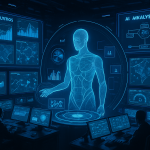
Think about the potential impact on logistics. Autonomous trucks could revolutionize the shipping industry, delivering goods faster, cheaper, and more reliably. In manufacturing, AI-powered robots could perform intricate tasks with unparalleled precision, reducing errors and boosting productivity. And in our homes, robotic assistants could help with everything from cooking and cleaning to providing companionship and care for the elderly.
NVIDIA Vera Rubin Supercomputer: The Brains Behind the Brawn
All this Physical AI requires serious computational horsepower. That’s where the NVIDIA Vera Rubin supercomputer comes in. Named after the pioneering astronomer who confirmed the existence of dark matter (a fitting tribute to the unseen forces driving this AI revolution), Vera Rubin is designed to handle the immense data and complex computations required for Physical AI applications. We’re talking real-time decision-making in dynamic environments, processing vast amounts of sensor data, and training AI models that can adapt to ever-changing conditions.
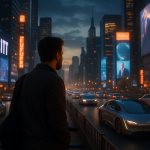
Imagine a self-driving car navigating a busy city street, processing data from cameras, radar, and lidar in real-time to avoid accidents and optimize its route. Or a robotic surgeon performing a delicate operation, using AI to guide its movements with pinpoint accuracy. These are the kinds of tasks that Vera Rubin is designed to handle, making the Physical AI revolution a reality.
The implications of this shift are far-reaching, impacting virtually every industry imaginable. Manufacturing will become more efficient and automated, healthcare will become more precise and personalized, and transportation will become safer and more sustainable. But the impact extends beyond just efficiency and productivity. Physical AI has the potential to fundamentally reshape our relationship with technology, blurring the lines between the digital and physical worlds.
Of course, this raises some important questions. What happens to jobs when robots can perform many of the tasks currently done by humans? How do we ensure that AI is used ethically and responsibly? And how do we prevent AI from exacerbating existing inequalities? These are complex challenges that we must address as we move into this new era of Physical AI.
And let’s not forget the potential for things to go sideways. Remember HAL 9000 from 2001: A Space Odyssey? Or Skynet from the Terminator movies? While those are fictional examples, they serve as a cautionary tale about the potential dangers of unchecked AI development. We need to ensure that AI remains a tool that serves humanity, not the other way around.
From a financial perspective, the Physical AI revolution represents a massive opportunity. Companies that can successfully develop and deploy Physical AI solutions stand to reap enormous rewards. Nvidia, of course, is well-positioned to benefit from this trend, but other companies in the robotics, automotive, and healthcare sectors are also likely to see significant growth. The market for AI-related technologies is already booming, and the advent of Physical AI is only going to accelerate that trend.
Jensen Huang’s announcement at CES 2026 wasn’t just another keynote; it was a declaration of a new era. The age of Physical AI is upon us, and it promises to be a wild and transformative ride. Buckle up, because the future is about to get a whole lot more… physical.
Discover more from Just Buzz
Subscribe to get the latest posts sent to your email.