When Algorithms Become National Treasures: The $3 Billion Question

When Algorithms Become National Treasures: The $3 Billion Question

It’s January 8th, 2026, and the AI world just got a little more…complicated. Forget wondering if your Roomba is judging your housekeeping skills; the real question now is: who gets to own the robots that think for themselves? The Chinese Ministry of Commerce just dropped a regulatory bombshell, announcing a review of Meta’s proposed acquisition of Manus, the autonomous AI agent from Singapore-based Butterfly Effect Pte. Ltd. This isn’t just about two companies merging; it’s a high-stakes game of geopolitical chess played with algorithms and billions of dollars.


Manus, for those not fluent in Latin (or the latest AI buzzwords), means “hand.” But this isn’t your average digital assistant that reminds you to buy milk. Launched on March 6th, 2025, Manus is an AI designed to operate independently in the real world. We’re talking complex tasks, independent thinking, dynamic planning- the whole shebang. Think less Siri, more Skynet… okay, maybe not Skynet, but definitely closer to it than your average chatbot. Butterfly Effect Pte. Ltd., the brainchild of Xiao Hong, who made a name for herself weaving AI into existing platforms, had created something truly special.


Enter Meta, stage left (or right, depending on your political leanings). In December 2025, Zuck and Co. announced their intention to snap up Manus. The price tag? Estimated to be somewhere between $2 and $3 billion. Chump change for Meta, right? The plan was to integrate Manus into Meta’s ever-expanding AI arsenal, including Meta AI, while also keeping Manus afloat as a standalone service based in Singapore. Sounds like a win-win, right? Wrong. Because things are never that simple in the 2020s, especially when AI is involved.

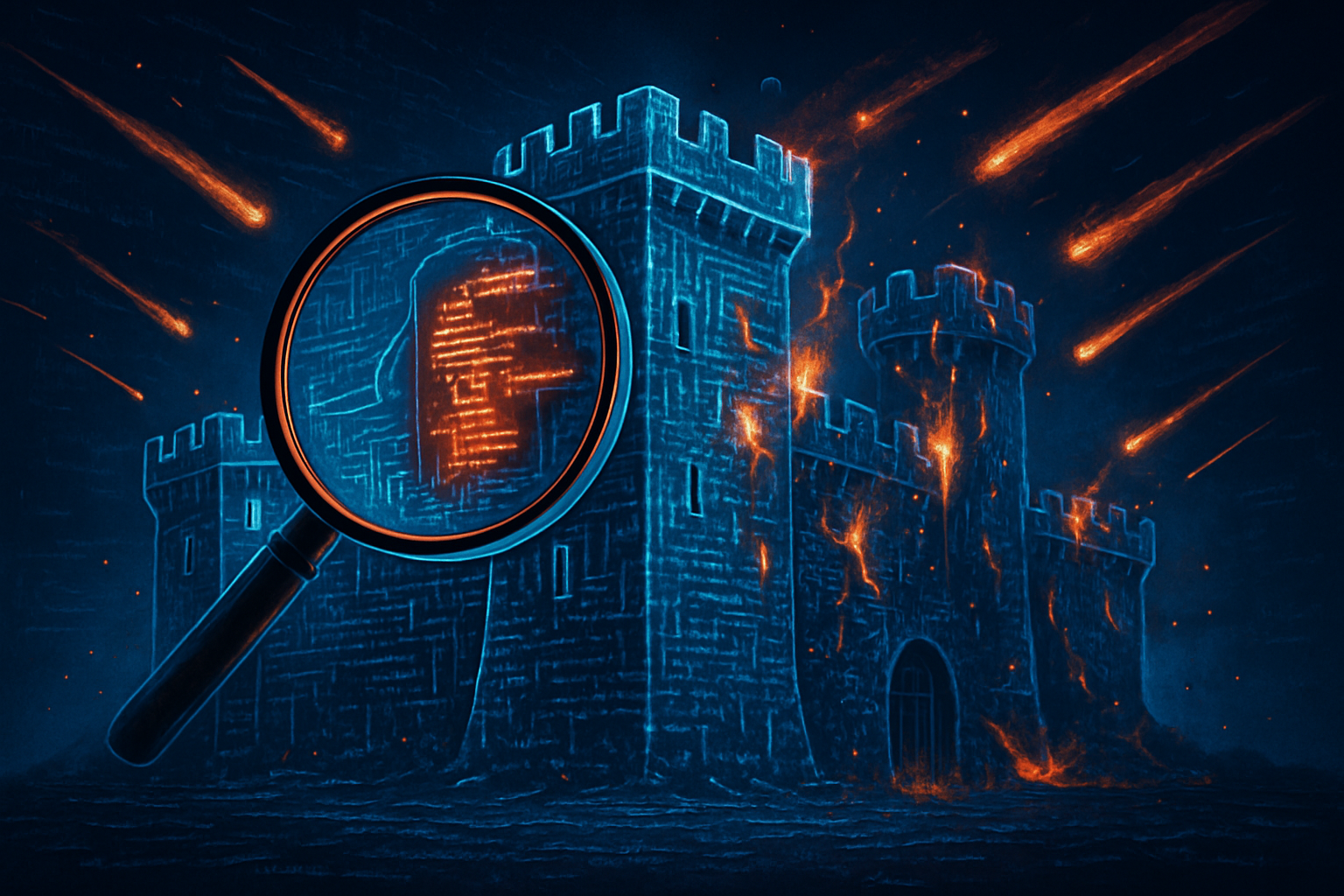
The wrench in the works? China. The Ministry of Commerce wants to know if Manus, during its operations within China, developed any AI tech that falls under national security or export restriction regulations. This isn’t just about protecting intellectual property; it’s about safeguarding strategic assets. Imagine if Tony Stark, while working in Dubai, invented a new arc reactor technology. You bet the UAE government would have some questions if Stark Industries suddenly wanted to sell that tech to, say, North Korea. The same principle applies here, only with algorithms instead of arc reactors.

Why the fuss? Well, China has been investing heavily in AI for years, viewing it as a key to future economic and military dominance. They’re not exactly thrilled about potentially seeing cutting-edge AI, developed within their borders, fall into the hands of a foreign tech giant, especially one as globally influential as Meta. This review underscores the growing tension between technological innovation and national security, a tension that’s only going to intensify as AI becomes more powerful and pervasive.

Geopolitics and Algorithms: A New Cold War?

The implications of this regulatory review are far-reaching. It’s a wake-up call for any company looking to acquire AI startups with a global footprint. Due diligence now means more than just checking the balance sheet; it means navigating a complex web of international regulations and geopolitical sensitivities. Forget about moving fast and breaking things; now it’s about moving cautiously and understanding the rules of the game, because the stakes are higher than ever.

This situation highlights a crucial point: AI is no longer just a technological advancement; it’s a strategic asset. It’s the new oil, the new gold, the new… well, you get the picture. Nations are increasingly protective of their AI capabilities, and they’re not going to let them go without a fight. We’re entering an era where AI development is intertwined with national security, economic competitiveness, and geopolitical power. It’s a brave new world, and it’s going to be interesting to see how it all plays out.

The Ripple Effect: Who’s Watching?

So, who’s watching this drama unfold? Every tech company involved in AI, for starters. The outcome of this review will set a precedent for future cross-border AI deals. If China blocks the Meta acquisition, it could send a chill through the entire AI investment landscape, making companies think twice about acquiring startups with significant operations in China. Conversely, if the deal goes through, it could signal a more lenient approach to AI acquisitions, potentially opening the floodgates for future mergers and acquisitions.

Beyond the tech world, governments around the globe are paying close attention. This review is a test case for how nations will regulate the flow of AI technology across borders. Will they adopt a protectionist approach, prioritizing national security over economic growth? Or will they embrace a more open approach, fostering international collaboration and innovation? The answer to that question will shape the future of AI development for years to come.

Ethical Quandaries: Who Controls the Code?

Let’s not forget the ethical implications. Who should control powerful AI like Manus? Should it be in the hands of a corporation like Meta, driven by profit motives? Or should it be subject to greater government oversight, ensuring that it’s used for the benefit of humanity? These are the kinds of questions we need to be asking ourselves as AI becomes more integrated into our lives. It’s not enough to simply develop the technology; we need to think carefully about its potential impact and how to ensure that it’s used responsibly. This isn’t just about algorithms; it’s about values.

The Meta-Manus saga is more than just a business deal; it’s a microcosm of the larger challenges and opportunities facing the AI industry. It’s a reminder that technology is never neutral; it’s always shaped by the political, economic, and social forces that surround it. As we continue to push the boundaries of AI, we need to be mindful of these forces and ensure that we’re building a future where AI benefits everyone, not just a select few. Now, if you’ll excuse me, I’m going to go have a chat with my Roomba. Just to be sure.


Discover more from Just Buzz

Subscribe to get the latest posts sent to your email.