Remember the Jetsons? Rosie the Robot, zipping around, cleaning, cooking, generally making life easier for the space-age family? We laughed, we dreamed, we maybe even felt a pang of jealousy for a future where chores were a thing of the past. Well, dust off your silver spacesuit, because according to OpenAI’s Chief Economist, Aaron Chatterji, that future is closer than we think, and our current ways of measuring economic success are woefully unprepared.
In a recent interview with the Financial Times (January 19, 2026, to be precise), Chatterji dropped a truth bomb that’s got economists and policy wonks scrambling: AI’s biggest impact might not be in the factories or the boardrooms, but in our kitchens and living rooms. He argues that the time AI saves us on household chores is a HUGE economic benefit that’s completely invisible to traditional GDP calculations.
Think about it. GDP, that hallowed metric we use to gauge the health of our economies, is all about tangible goods and services. Cars, computers, haircuts, lattes- all meticulously counted and added up. But what about the invisible work that keeps our homes running? The cleaning, the cooking, the childcare- the stuff that, let’s be honest, nobody really wants to do? For generations, this labor has been largely uncounted, undervalued, and often, unfairly distributed.
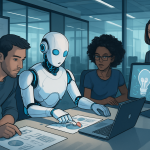
Now, enter AI. We’re not just talking about Roombas anymore (though bless their little automated hearts). We’re talking AI-powered appliances that plan meals, order groceries, and even cook them. We’re talking about advanced robotic caregivers that can assist with everything from elder care to homework help. This isn’t science fiction; it’s rapidly becoming reality. And it’s freeing up our time in ways we haven’t fully grasped.
The Time Bandit: How AI is Stealing Back Our Hours
Chatterji’s point isn’t just about convenience. It’s about a fundamental shift in how we value our time. Imagine a single parent who, thanks to AI assistance, now has an extra two hours each day. That’s two hours they can spend learning a new skill, starting a business, or simply relaxing and recharging. These are activities that contribute to individual well-being and potentially to the broader economy, but they don’t show up on the GDP radar.


It’s like that old philosophical question: if a tree falls in the forest and no one is around to hear it, does it make a sound? Similarly, if AI automates a task that saves someone valuable time, but that time isn’t measured or valued, does it really count as economic progress? Chatterji’s argument is a resounding YES. We need new metrics, new ways of thinking, to capture the true value of this AI-driven time revolution.
Beyond the Balance Sheet: The Societal Ripple Effects
The implications of this go far beyond mere economic accounting. Consider the potential impact on gender equality. Historically, women have disproportionately shouldered the burden of household labor. AI automation could help level the playing field, freeing up women to pursue their careers and passions without feeling overwhelmed by domestic responsibilities. This could lead to a more equitable and productive society for all.
There’s also the question of leisure. For decades, economists have predicted a future where increased automation leads to shorter workweeks and more free time. But that hasn’t quite materialized, has it? Instead, we’re often working longer hours and feeling more stressed than ever. AI, if properly harnessed, could finally deliver on that promise of a more balanced and fulfilling life. Think of it: more time for hobbies, for family, for community involvement. Less time spent scrubbing toilets. Sounds pretty good, right?


The Challenge Ahead: Measuring the Unmeasurable
Of course, figuring out how to measure the value of time saved is no easy task. It’s not like we can just slap a price tag on every minute. But Chatterji suggests that economists need to get creative. Perhaps we can look at how people are spending their newly freed-up time. Are they taking more classes? Starting more businesses? Volunteering more? These activities, while not directly measured by GDP, can provide valuable insights into the true impact of AI.
This also opens up a fascinating ethical debate. If AI is primarily benefiting those who can afford it, are we creating a new form of inequality? Will the wealthy have even more leisure time, while those struggling to make ends meet are still stuck with the drudgery of daily chores? These are questions we need to grapple with as AI becomes increasingly integrated into our lives.
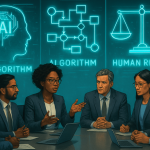
Ultimately, Aaron Chatterji’s call for new economic metrics is a wake-up call. It’s a reminder that our traditional ways of measuring success are outdated and incomplete. As AI continues to transform our world, we need to develop new tools and frameworks that capture the full spectrum of its impact, both on our economies and on our lives. Otherwise, we risk missing the forest for the trees- or, in this case, the robots for the spreadsheets.
Discover more from Just Buzz
Subscribe to get the latest posts sent to your email.