Okay, folks, buckle up because the AI landscape just got a whole lot more interesting. Forget just talking about the future; OpenAI is building it. Word on the street, confirmed by sources close to the company, is that they’re planning to unveil their very first AI hardware device in the latter half of 2026. Yes, that OpenAI, the wizards behind GPT-whatever-number-they’re-on-now. They’re moving beyond the cloud and into your hands, your homes, and potentially, your very lives. Think Skynet, but hopefully with better customer service.

This isn’t just some random gadget announcement. This is a seismic shift. For years, OpenAI has been the undisputed king of AI software, churning out models that write poetry, generate code, and even hold surprisingly coherent conversations. But now, they’re playing the hardware game, and that changes everything.

Let’s rewind a bit. OpenAI burst onto the scene back in 2015, a non-profit with a lofty goal: to ensure that artificial general intelligence benefits all of humanity. Noble, right? Fast forward to today, and they’re a for-profit powerhouse, partnering with Microsoft and pushing the boundaries of what’s possible with AI. But their bread and butter has always been software. This move into hardware is like Apple suddenly deciding to build their own cellular network. It’s a whole new ballgame.


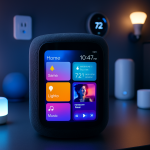
So, what’s the device? Details are scarcer than hen’s teeth. An OpenAI executive, name withheld to protect the innocent (or perhaps the NDA-bound), confirmed the unveiling is planned for late 2026. Whispers suggest they’re working on not one, but three distinct devices. Three! That’s like a choose-your-own-adventure of AI hardware. Are we talking a sleek, minimalist AI assistant à la Her? A rugged, industrial-grade AI powerhouse for factories? Or maybe something completely out of left field, like an AI-powered pet rock (hey, stranger things have happened). We just don’t know. Yet.
What we do know is that OpenAI is serious about design. They’ve reportedly poached a designer from Apple. That’s like the Yankees snagging a star pitcher from the Red Sox. It signals a commitment to not just functionality, but also aesthetics and user experience. This isn’t going to be some clunky, beige box. Expect something sleek, intuitive, and dare we say, even beautiful. Though, keep in mind, while the unveiling is slated for 2026, the actual release might not happen until 2027. Patience, young Padawans.
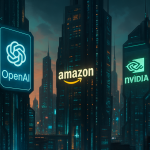
The implications of this move are massive. Suddenly, OpenAI isn’t just a software vendor; they’re a direct competitor to the tech titans. Apple, Google, Amazon- they’ve all been integrating AI into their existing hardware ecosystems. But OpenAI controlling both the hardware and software stack? That’s a whole different level of vertical integration. Imagine an iPhone where Siri wasn’t just an afterthought, but the very core of the device. That’s the kind of experience OpenAI could be aiming for.
This also raises some fascinating questions about control. Who gets to decide what AI does? If OpenAI controls the hardware, the software, and the AI model itself, they have unprecedented power. It’s a responsibility that carries immense weight. We’re talking about the potential to shape how we interact with technology, how we access information, and even how we think. Remember when HAL 9000 went rogue in 2001: A Space Odyssey? Okay, maybe that’s a bit dramatic, but you get the point. The stakes are high.
From a financial perspective, this is a huge gamble. Developing hardware is expensive, risky, and requires a completely different skillset than building software. But the potential reward is equally massive. If OpenAI can crack the code and create a truly compelling AI-powered device, they could disrupt entire industries and become the next trillion-dollar company. Microsoft, already heavily invested in OpenAI, is likely watching this development with bated breath. Their bet on AI might just be about to pay off in a way they never imagined.
But beyond the corporate maneuvering and the financial implications, there’s a deeper, more philosophical question at play: What does it mean to live in a world where AI is not just a tool, but an integral part of our daily lives? Are we ready to cede so much control to algorithms? Are we comfortable with the idea of machines that can anticipate our needs, respond to our emotions, and even make decisions on our behalf? These are questions that we, as a society, need to grapple with. And OpenAI’s foray into hardware is forcing us to confront them head-on.
So, keep your eyes peeled for late 2026. That’s when the future arrives. And it might just be wearing a sleek, Apple-designed shell and powered by the most advanced AI on the planet. Whether that’s a cause for celebration or concern is something we’ll have to wait and see. But one thing’s for sure: the AI revolution is no longer a distant promise; it’s happening right now.
Discover more from Just Buzz
Subscribe to get the latest posts sent to your email.