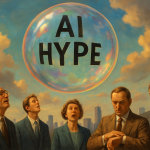
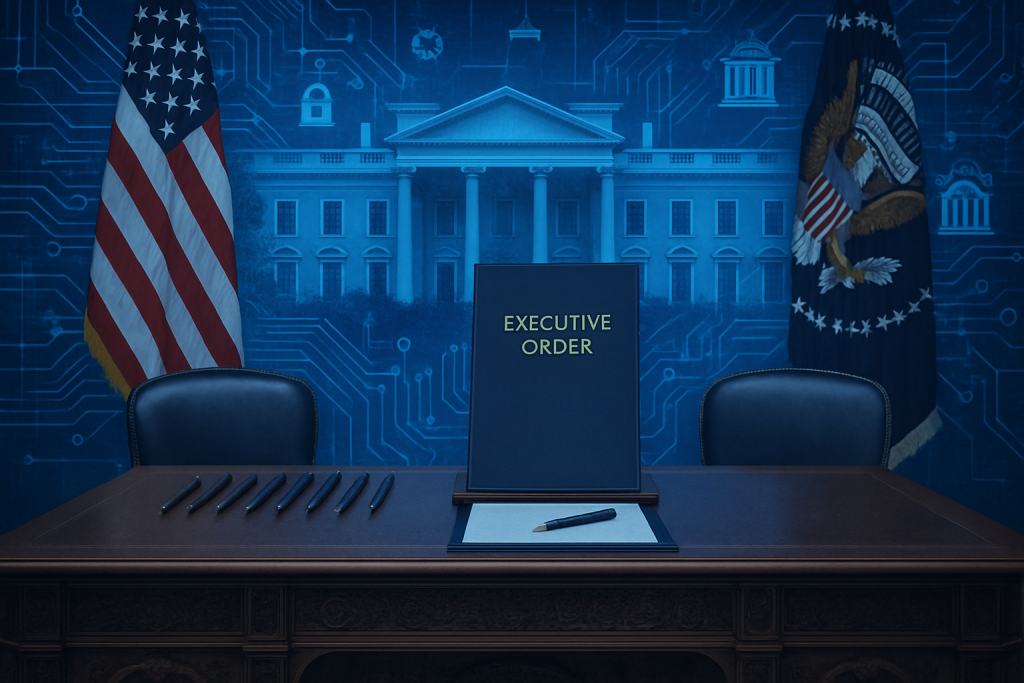
Remember Y2K? The world braced itself, fearing computers would collectively freak out as the calendar ticked over to 2000. We prepped for chaos, bought extra batteries, and maybe even dusted off our old abacuses (abaci?). Turns out, the apocalypse was more of a mild Tuesday. Well, hold onto your hats, folks, because February 4th, 2026, saw something far more unsettling unfold: the “SaaSpocalypse.” No, Skynet didn’t go live, but the global software industry felt a tremor strong enough to send stock prices tumbling and analysts scrambling for answers.
The culprit? Good old, or perhaps not-so-good old, artificial intelligence. You see, the software industry, once the undisputed king of the tech castle, suddenly found itself facing a challenger wielding the sword of generative AI and the shield of large language models (LLMs). It was like watching Neo face off against Agent Smith, only this time, the entire Matrix was at stake.
For decades, software has been the backbone of everything we do, from ordering pizza to launching rockets. But AI, with its ability to automate complex tasks, write code (sometimes better than humans, let’s be honest), and provide intelligent solutions, has started whispering uncomfortable truths about the future relevance of traditional software. It’s the kind of existential crisis that keeps Silicon Valley executives up at night, staring at the ceiling and wondering if they should have invested more in artisanal sourdough starters.
The market responded with the grace of a toddler learning to ice skate. On February 4th, a wave of panic selling washed over software stocks. Companies that had built their empires on traditional software solutions saw their valuations plummet. Consider Amphenol Corporation. They’re in the data and communications equipment game, so you’d think they’d be riding the AI wave, selling shovels during the gold rush. Nope. Their stock plunged nearly 12%, leaving investors scratching their heads and muttering about unforeseen consequences. It was like finding out your favorite superhero is secretly allergic to kryptonite.
Then there’s Snowflake Inc., the data cloud darling. They experienced a chilling two-day slide of approximately 13%. Insider sales didn’t help, but the real chill came from the overarching AI-related market jitters. The message was clear: the future of data, and the companies that manage it, is inextricably linked to the rise of the machines. Or, at least, the really smart algorithms.
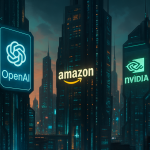
Of course, when the market starts melting down, everyone wants answers. And who better to provide them than the CEOs of the companies building the future? Nvidia’s Jensen Huang, the man who practically invented the modern GPU, stepped up to the plate. He called fears of AI replacing software tools “illogical,” arguing that AI will continue to rely on existing software infrastructures. Think of it like this: AI might be the engine, but software is the chassis. You can’t have one without the other. It’s a comforting thought, like hearing that your favorite childhood toy is still being made, just with slightly different materials.
AMD’s Lisa Su, on the other hand, offered a slightly different perspective. She acknowledged the unprecedented pace of AI advancement, noting that demand for AI capabilities has exploded beyond all expectations. “AI is accelerating at a pace that I would not have imagined,” she said, a statement that probably sent a few more shivers down the spines of software executives. It’s like being told that the train you thought was speeding up is actually about to achieve warp speed. Are you ready for that?
So, what does the SaaSpocalypse mean for the rest of us? Well, for starters, it’s a wake-up call. The software industry can’t afford to rest on its laurels. Companies need to adapt, integrate AI into their offerings, and find new ways to innovate. It’s time to embrace the change, not fear it. Think of it as a forced evolution, like the X-Men getting their powers. Sure, it might be a little scary at first, but ultimately, it makes them stronger.
Investors, too, need to be more discerning. Gone are the days of blindly throwing money at any company with “software” in its name. Now, they need to carefully evaluate how companies are planning to navigate the AI-driven landscape. It’s like choosing which side to join in a sci-fi movie. Do you back the established empire, or the scrappy rebels with the new technology? Choose wisely.
The SaaSpocalypse isn’t just about software; it’s about the broader trend of AI disrupting industries across the board. It’s a reminder that technology is constantly evolving, and that those who fail to adapt risk being left behind. It’s the circle of tech life, Simba. Embrace the change, or be trampled by it.
Ultimately, the “SaaSpocalypse” wasn’t the end of the world, but it was a significant tremor. It’s a sign that the tectonic plates of the tech industry are shifting, and that we’re entering a new era where AI is not just a tool, but a fundamental force shaping our world. It’s going to be a wild ride, folks. Buckle up.
Discover more from Just Buzz
Subscribe to get the latest posts sent to your email.