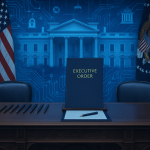
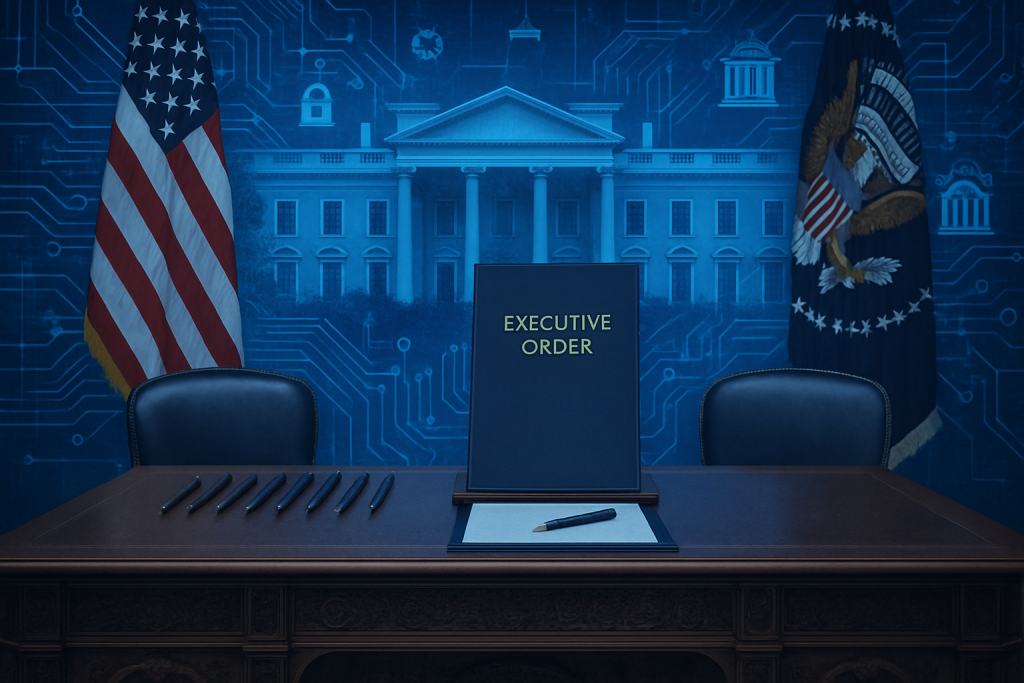
Remember the wild west days of the internet? When dial-up was king and anything felt possible? Well, hold onto your Stetsons, because the AI frontier is about to get a whole lot more… civilized. On March 22nd, 2026, the Trump administration dropped a document hotter than a freshly minted NFT: “A National Policy Framework for Artificial Intelligence: Legislative Recommendations.” Think of it as the AI rulebook, except instead of “don’t hog the ball,” it’s “don’t let AI turn into Skynet.”
This isn’t just some dusty policy paper; it’s a call to arms, urging Congress to lasso this digital beast and bring it to heel. The document itself, while non-binding, is a clear signal: the US government is officially ready to wrangle AI. And not in a gentle, “good doggy” kind of way. More like a “we need to make sure this thing doesn’t eat the house” kind of way.
But why now? What’s sparked this sudden urge to regulate the robots? Well, the AI genie is well and truly out of the bottle. From self-driving cars that occasionally forget the rules of the road, to AI-generated art that’s both breathtaking and slightly unsettling, to deepfakes that make it impossible to tell reality from fiction, AI is rapidly changing the world around us. And with great power, as Uncle Ben famously told Peter Parker, comes great responsibility. Or, in this case, great regulation.
This framework isn’t just about preventing the robot apocalypse (though, let’s be honest, that’s probably on someone’s whiteboard in the Pentagon). It’s about addressing the very real and very present challenges that AI poses to society. Think of it as the digital equivalent of building codes for skyscrapers: you need them to ensure the building doesn’t collapse and crush everyone below.
The proposed legislation focuses on seven key areas, each designed to address a specific aspect of the AI revolution. Let’s dive in:
Protecting the Kids: More Than Just Screen Time Limits
First up: child safety. The internet’s always been a scary place for kids, and AI only amplifies the risks. This section isn’t just about limiting screen time; it’s about giving parents the tools to navigate the AI-powered world with their kids. We’re talking parental controls on steroids, age-assurance tech that actually works (good luck with that, though), and features designed to protect kids from the darker corners of the internet- things like sexual exploitation and self-harm. The framework specifically references the TAKE IT DOWN Act, signed into law last year, which criminalized the non-consensual distribution of intimate images, including those terrifying AI-generated deepfakes. Imagine your kid’s face plastered all over the web in a compromising situation that never even happened. It’s a parent’s worst nightmare, and this framework aims to prevent it.
Safeguarding Communities: Paying for the Power
Next, the framework tackles community protections. This is where things get interesting. It covers everything from energy costs and infrastructure permitting to fraud prevention and national security. But the real kicker here is the codification of the Ratepayer Protection Pledge. Remember Trump’s State of the Union address where he called out Big Tech for their energy consumption? Well, this is the follow-up. The pledge, originally a PR stunt, now aims to force tech companies to foot the bill for the massive amounts of electricity their AI data centers consume. No more passing the buck to residential utility customers. Think of it as Big Tech finally agreeing to pay their share of the pizza bill after eating all the pepperoni. It’s a win for consumers, and a potential headache for companies like Google and Amazon.
IP, Free Speech, and the AI Balancing Act
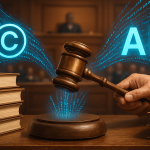
Intellectual property and free speech: two concepts that are already constantly at war with each other. AI throws a massive wrench into the works. How do you protect copyright when an AI can generate a song that sounds exactly like Taylor Swift? How do you protect free speech when AI can be used to spread disinformation on a scale never before imagined? The framework acknowledges this delicate balancing act, emphasizing the need to protect both intellectual property rights and the right to free expression. Easier said than done, of course. This is likely to be a major battleground in the coming years.

Innovation and the Future of Work: Will Robots Take Our Jobs?
The framework also addresses the future of work. Will robots take all our jobs? Probably not all of them, but AI is definitely going to reshape the job market. This section advocates for policies that encourage AI innovation while also supporting workforce development. The goal is to equip American workers with the skills they need to thrive in an AI-driven economy. Think coding bootcamps for coal miners, and AI ethics courses for everyone. It’s about adapting to the future, not fighting it. This section is also about making sure America stays competitive in the global AI race. No one wants to be left behind in the dust.




One Nation, Under AI: Federal Preemption and the Coming Turf War
Finally, and perhaps most controversially, the framework calls for federal preemption of state AI laws. This means that the federal government would have the final say on AI regulation, overriding any conflicting state laws. The rationale is simple: a patchwork of state regulations could stifle innovation and create a regulatory nightmare for businesses. Imagine trying to navigate 50 different sets of AI rules. It’s enough to make your head spin. But states aren’t exactly thrilled about the idea of losing control. They argue that they should have the right to tailor AI regulations to their specific needs and values. This is shaping up to be a major political showdown. Expect lots of fireworks.
The Reactions Are In: From Cheers to Jeers
The reaction to the framework has been predictably mixed. Some industry leaders and policymakers have praised the administration for taking a proactive approach to AI regulation. They see it as a necessary step to ensure that AI is developed and deployed responsibly. Others are more skeptical, raising concerns about potential overreach and the impact on innovation. The emphasis on federal preemption has been a particular point of contention. It’s a classic battle between those who want a unified national policy and those who believe in states’ rights.
The Big Picture: A Turning Point for AI Regulation
So, what does it all mean? The release of this framework marks a significant turning point in the United States’ approach to AI regulation. It’s a clear sign that the government is taking AI seriously and is committed to shaping its development. Whether this framework will lead to effective legislation remains to be seen. But one thing is certain: the AI revolution is here, and the rules of the game are about to change. Get ready for a wild ride.
Discover more from Just Buzz
Subscribe to get the latest posts sent to your email.