
January 17th, 2026. The day the AI singularity took a detour down Madison Avenue. OpenAI, the company that brought us ChatGPT, announced it’s doing something many predicted but few truly wanted: introducing advertisements into its chat platform. Yes, even our digital oracles now have sponsors.
For those of us who remember the early days of the internet, this feels a bit like watching Luke Skywalker endorse a timeshare. Remember that feeling of pure, unadulterated information, free from the grubby hands of commerce? Well, those days are officially over, at least in the ChatGPT galaxy.
But before we start composing our angry tweets, let’s unpack this. Why the sudden urge to sell out? (Okay, maybe not *sudden*. These things rarely are.) And what does it mean for the future of AI, our wallets, and our sanity?
The backstory, as with most things, is all about money. ChatGPT, for all its brilliance, isn’t cheap to run. Imagine the electricity bill alone! All those GPUs churning away, dreaming up witty responses and writing passable Shakespearean sonnets. OpenAI has been exploring ways to keep the lights on, and the algorithm humming, without relying solely on the generosity (and let’s be honest, the venture capital) of others.
Enter ChatGPT Go. Launched in 2025, it was OpenAI’s first serious attempt at mass monetization. Think of it as the “Spotify Premium” of AI chatbots. A lower-cost subscription plan, initially rolled out in countries like India for around $5 a month, before expanding its reach to 171 countries and settling at $8 in the US. It gave users access to a slightly faster, slightly less-overloaded version of ChatGPT. It was a start, but clearly, not enough.
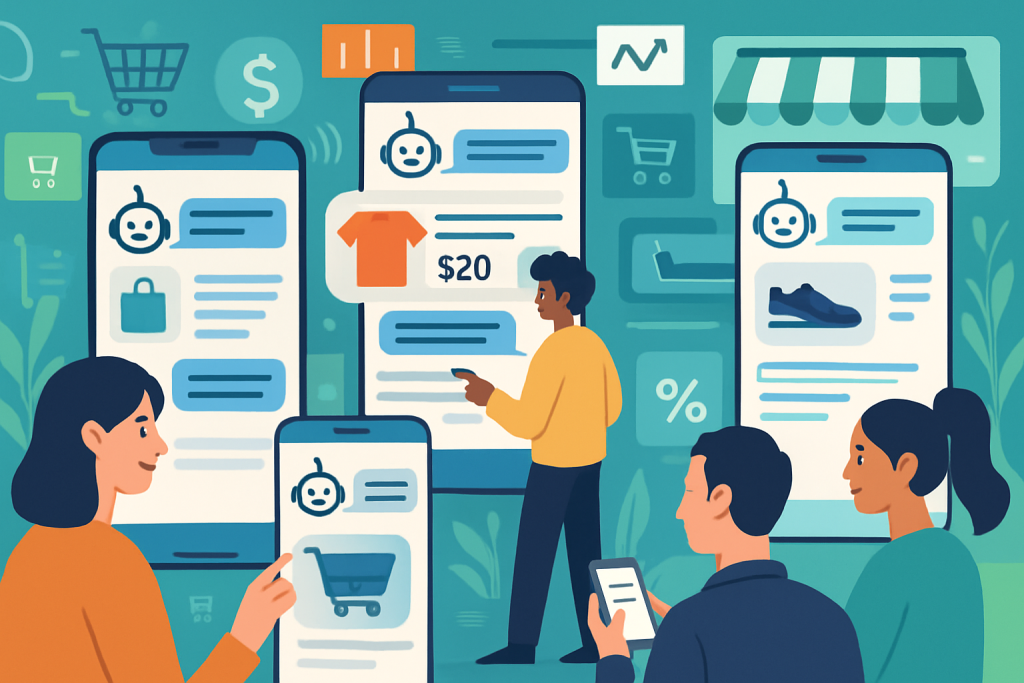
So, what are the specifics of this ad-pocalypse? OpenAI is promising a relatively tasteful experience. Ads will only appear when your query aligns with a sponsored product or service. So, if you ask ChatGPT for the best Italian restaurants in your area, you might see an ad for a local trattoria that’s paid for the privilege. They’ll be clearly labeled as ads, separate from the organic responses, and you’ll even be able to see *why* you’re seeing a particular ad and dismiss it if it annoys you. Plus, they’re promising no ads on sensitive topics like mental health, and only showing them to adult users. So, at least they’re trying to be responsible, which is more than we can say for some social media platforms.
But even with these safeguards, the implications are huge. This isn’t just about selling toothpaste or plane tickets. It’s about shaping the very information we receive. Think about it: if an AI is designed to be helpful and informative, but is also incentivized to promote certain products or services, where does the line between objective advice and subtle marketing blur? Will ChatGPT start subtly steering us towards products that benefit its bottom line, even if they’re not the best choice for us?
This move is part of OpenAI’s grand strategy to juice the average revenue per non-paying user from a paltry $2 in 2026 to a projected $15 by the end of 2030. With 900 million weekly active users, even a small percentage converting to ChatGPT Go or interacting with ads adds up to serious money. We’re talking potentially billions of dollars. Suddenly, OpenAI’s quest for financial independence starts to make a lot more sense.
OpenAI isn’t alone in this AI advertising gold rush. Google, never one to miss a monetization opportunity, has already integrated shopping capabilities into its Gemini chatbot. You can now buy things directly through your AI assistant. It’s only a matter of time before other AI platforms follow suit. Prepare for a world where your AI assistant is also your personal shopper, your travel agent, and your… well, you get the idea.
The bigger question is: what does this mean for the future of AI? Are we entering an era where AI is primarily a tool for selling us things? Or can we find a way to balance commercial interests with the public good? The answer, as always, is probably somewhere in the middle. But it’s a conversation we need to have, and have now, before our AI overlords become nothing more than sophisticated advertising bots.
The ethical questions are numerous. How do we ensure transparency and prevent manipulation? How do we protect user privacy in an increasingly data-driven advertising landscape? And how do we prevent AI from becoming just another tool for the wealthy and powerful to exploit the rest of us?
From a financial perspective, this is a game-changer. OpenAI’s move could legitimize AI advertising as a viable business model, attracting even more investment into the field. But it also raises concerns about market concentration and the potential for a few dominant players to control the flow of information. Will we end up with a handful of AI giants dictating what we see, what we buy, and even what we think?
Ultimately, OpenAI’s decision to put ads in ChatGPT is a reflection of the broader tension between innovation and commercialization. It’s a reminder that even the most revolutionary technologies are ultimately shaped by the forces of economics and politics. Whether this is a step forward or a step back remains to be seen. But one thing is certain: the future of AI, and our relationship with it, just got a whole lot more complicated.
Discover more from Just Buzz
Subscribe to get the latest posts sent to your email.