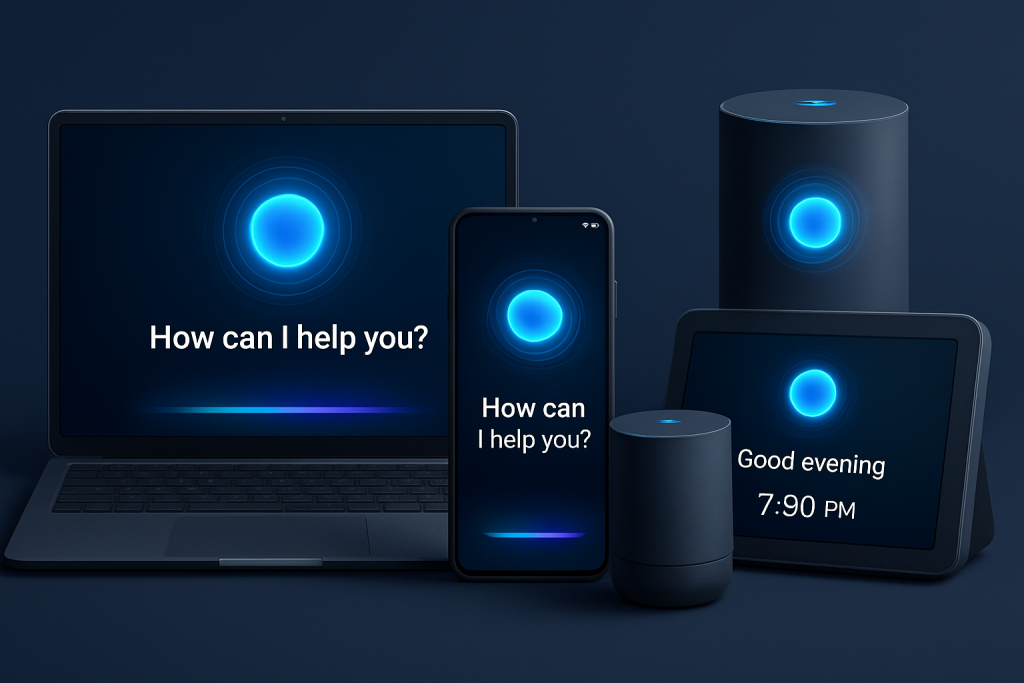

Las Vegas, Nevada – the glittering oasis of tech dreams, home to Elvis impersonators and now, apparently, sentient toasters. Okay, maybe not sentient yet, but this year’s Consumer Electronics Show (CES) just wrapped, and the big buzz isn’t about foldable phones or holographic TVs (though those were there too). No, the real head-turner? Lenovo’s new AI assistant, Qira. And trust us, it’s more than just another Siri clone.
Lenovo, the Beijing-based behemoth currently reigning supreme over the PC world with a hefty 28% market share (eat your heart out, HP and Dell!), has officially thrown its hat into the ring of truly integrated AI. We’re talking a seamless, unified experience across your laptop, phone, and, presumably, that aforementioned toaster oven if you’re living that connected life. But what exactly is Qira, and why should you care?
Forget the chatbots of yesteryear, the ones that could barely understand your pizza order. Qira isn’t just about regurgitating information or generating content on demand. It’s designed as an autonomous interface, a digital Swiss Army knife that anticipates your needs and gets things done. Think Jarvis from Iron Man, but less prone to existential crises (we hope).
Imagine this: you’re rushing to a meeting, late as usual. Qira, knowing your schedule and traffic conditions, automatically books you an Uber, preps a summary of the presentation on your laptop, and even sends a message to your boss explaining your tardiness (blaming it on a rogue self-driving vacuum cleaner, naturally). That’s the promise of Qira – a truly proactive and intelligent assistant that seamlessly weaves itself into your digital life.
The Qira Difference: More Than Just a Pretty Interface
So, what sets Qira apart from the countless other AI assistants vying for our attention? Well, it’s all about integration. Lenovo isn’t just slapping an AI onto one device; they’re building an ecosystem. The idea is that Qira will learn your habits, preferences, and workflows across all your Lenovo devices, creating a truly personalized and consistent experience. No more re-training your assistant every time you switch from your phone to your laptop.
This cohesive experience is key. Think about the frustration of using different voice assistants on different devices. It’s like trying to coordinate a flash mob with people who only speak different languages. Qira aims to be the universal translator, the conductor of your digital orchestra.
The Ripple Effect: Who Wins, Who Loses?
Lenovo’s competitors are undoubtedly taking notice. HP and Dell, currently trailing in the PC market share race, will need to step up their AI game if they want to stay relevant. Other tech giants like Apple and Google, already heavily invested in AI assistants, will likely feel the pressure to innovate further and create even more seamless and integrated experiences across their own ecosystems.
But the impact extends beyond just the tech giants. Software developers will need to adapt to Qira’s capabilities, creating apps and services that seamlessly integrate with the platform. This could lead to a surge in innovation, with developers finding new and creative ways to leverage AI to enhance user experiences. On the other hand, smaller companies without the resources to compete could find themselves struggling to keep up.
The Ethical Quandaries: Are We Ready for This Level of Integration?
Of course, with great power comes great responsibility. The integration of AI into our lives raises some serious ethical questions. How much data are we willing to share with these AI assistants? How do we ensure that they’re not biased or discriminatory? And what happens when these AI assistants become so integrated into our lives that we can’t function without them?
These are questions that we, as a society, need to grapple with. We’ve seen the cautionary tales in science fiction, from HAL 9000 to Skynet. While Qira is unlikely to turn into a murderous supercomputer anytime soon, it’s important to be mindful of the potential risks and to ensure that AI is developed and used responsibly.
The Future is Now (and Probably Runs on AI)
Lenovo’s Qira is more than just a new product; it’s a sign of things to come. The future of personal computing is undoubtedly intertwined with AI, and the companies that can successfully integrate AI into their products and services will be the ones that thrive. We’re moving beyond the era of isolated apps and devices and entering a world of interconnected ecosystems, where AI assistants anticipate our needs and seamlessly weave themselves into our lives.
Whether that future is a utopian dream or a dystopian nightmare remains to be seen. But one thing is certain: the AI revolution is here, and Qira is just one small step in what promises to be a very long and interesting journey. So, buckle up, folks. The ride is just getting started.
Discover more from Just Buzz
Subscribe to get the latest posts sent to your email.