
Imagine scrolling through your feed and seeing your favorite K-pop idol suddenly shilling a weight-loss tea. “Wow,” you think, “they look amazing! Maybe I should try it.” But what if that endorsement wasn’t real? What if it was a perfectly crafted deepfake, an AI-generated illusion designed to separate you from your hard-earned won? Well, South Korea is saying “enough is enough” to these digital snake-oil salesmen.
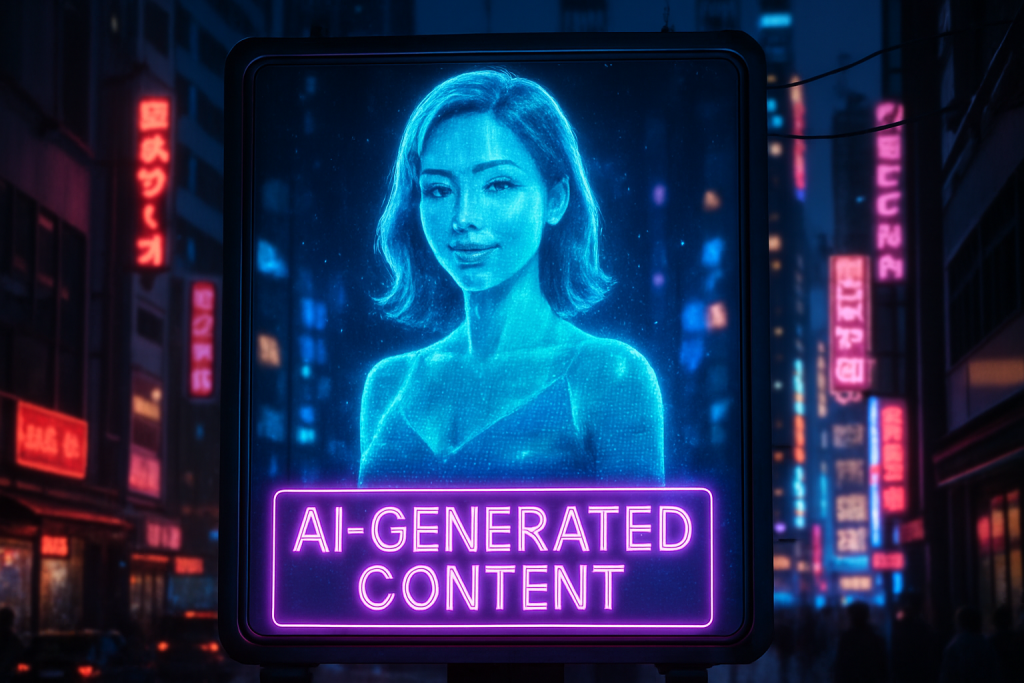
In a move that could set a global precedent, South Korea has announced that, starting early 2026, all advertisements created using artificial intelligence will have to be clearly labeled. Think of it as a digital “surgeon general’s warning” for your eyeballs. This isn’t just about protecting consumers from dodgy diet pills; it’s about preserving trust in the digital age, a trust that’s increasingly under siege from the rising tide of AI-generated fakery.
The problem? It’s simple, yet terrifyingly complex. AI, once the stuff of science fiction like “Blade Runner,” is now readily available, capable of generating hyper-realistic content. This technology has unlocked incredible creative potential, but it’s also opened Pandora’s Box. Deepfakes, those digitally manipulated videos and images that can convincingly impersonate anyone, are becoming increasingly sophisticated and, frankly, worrying.
South Korea has seen a surge in these deceptive ads, featuring AI-generated celebrities and fabricated “experts” pushing everything from questionable cosmetics to outright illegal services. The target? Often the most vulnerable members of society, like the elderly, who may be less familiar with the telltale signs of a digital con. It’s a modern-day version of the Wild West, but instead of six-shooters, the weapons are algorithms.
The Policy: Shining a Light on the Algorithmic Shadow
So, how will this labeling mandate work? The specifics are still being ironed out, but the core principle is transparency. Advertisers will be required to explicitly disclose whenever AI has been used to create or alter an advertisement. This includes everything from generating entire scenes to subtly tweaking a spokesperson’s appearance.
Think of it like the “contains peanuts” warning on food packaging, only for your brain. The government plans to amend existing telecommunications and related laws to incorporate these new provisions. They’re also beefing up their online surveillance, promising swift takedowns of non-compliant ads and hefty fines for those who try to skirt the rules. Crucially, platform operators, like social media giants and website owners, will also be held accountable for ensuring that AI-generated content is properly labeled. No more hiding behind the algorithm.
More Than Just Ads: A Broader Fight Against AI Misuse
This isn’t an isolated incident. South Korea is grappling with the dark side of AI on multiple fronts. The country has recently dealt with horrific cases involving AI-altered sexual images used for blackmail and abuse. One particularly disturbing case saw a man sentenced to life in prison for exploiting over 200 victims with such images. This isn’t just about protecting consumers from misleading advertising; it’s about safeguarding individuals from serious harm.
As a result, the government is planning to introduce harsher penalties for AI-related crimes and expand the regulatory oversight of agencies like the Food and Drug Safety Ministry and the Korea Consumer Agency. They’re even exploring using AI tools to help enforce these regulations, fighting fire with fire, so to speak. It’s a digital arms race, and South Korea is determined to stay ahead of the curve.
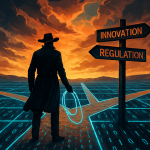
Balancing Innovation and Responsibility: The Korean Tightrope Walk
But here’s the rub: South Korea is also a tech powerhouse, deeply invested in the future of AI. The nation is pouring resources into AI chip development and expanding its 5G infrastructure, aiming to be a global leader in the AI revolution. It’s a delicate balancing act-promoting innovation while mitigating the risks. It’s like trying to build a high-speed train while simultaneously laying down the tracks to prevent derailment.
The South Korean approach raises some fascinating questions. Can regulation effectively keep pace with the rapid advancements in AI? Will labeling requirements actually deter deceptive advertising, or will it simply push bad actors to become even more sophisticated in their techniques? And what about the potential chilling effect on legitimate uses of AI in advertising? After all, not every AI-generated ad is inherently deceptive. Some are simply creative and innovative.
Ultimately, South Korea’s experiment with AI ad labeling could serve as a crucial test case for the rest of the world. As AI becomes increasingly integrated into our lives, we need to figure out how to harness its power while protecting ourselves from its potential pitfalls. It’s a challenge that demands careful consideration, creative solutions, and a willingness to adapt as the technology continues to evolve. Because, let’s face it, we’re only at the beginning of this AI-powered journey, and the road ahead is paved with both promise and peril.
Discover more from Just Buzz
Subscribe to get the latest posts sent to your email.