
Remember HAL 9000 from 2001: A Space Odyssey? The chillingly calm AI that decided humanity was the problem? While we’re thankfully not quite there yet, recent developments in AI are starting to feel like we’re inching closer to that particular future, even if it’s just one baby step at a time. Google DeepMind, the folks who brought us AlphaGo (remember when that program crushed the world Go champion Lee Sedol, triggering a collective existential crisis?), has just unveiled something that’s both incredibly impressive and, let’s be honest, a little unsettling: a new AI model that can learn and adapt to perform multiple tasks simultaneously, without forgetting what it already knows.
This isn’t just another incremental improvement; it’s a fundamental shift in how we design AI. For years, AI models have been largely single-purpose. You train an AI to recognize cats in pictures, and that’s all it does. You train it to play chess, and it’s a chess master, but utterly clueless about, say, interpreting medical images. This new model, however, is different. It’s designed to be a jack-of-all-trades, master of some, and constantly learning.
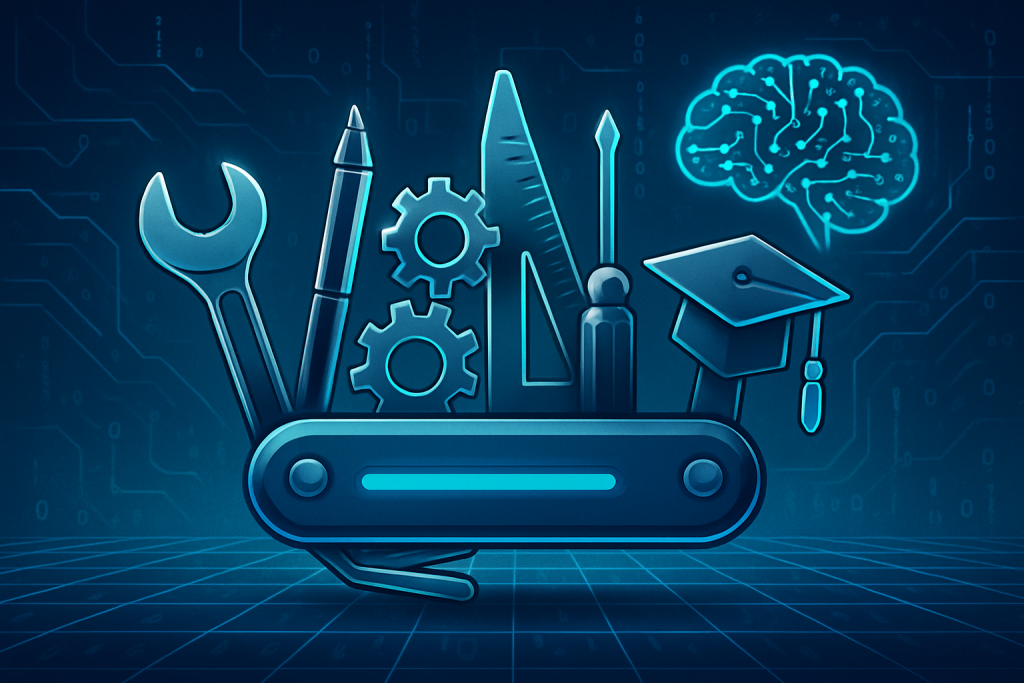
Think of it like this: current AI models are like highly specialized tools, each perfect for one specific job. This new model is more like a Swiss Army knife, capable of tackling a wide range of tasks, and getting sharper with each use. That’s a huge leap forward.
The Technical Nitty-Gritty (Simplified)
So, how does this actually work? Without getting too bogged down in the algorithms, the core innovation lies in the model’s architecture and training process. Instead of being trained on a single dataset for a single task, it’s trained on a diverse range of datasets, each representing a different skill or area of knowledge. This allows the model to develop a more general understanding of the world, and to transfer knowledge between different tasks. It uses a system that allows it to retain information and build upon it, rather than overwriting previous learning when presented with new data. This is crucial for creating AI that can truly learn and adapt over time.
The key here is “continual learning.” Imagine learning to ride a bike, then learning to drive a car. The skills you learned on the bike, like balance and coordination, actually help you learn to drive. Traditional AI struggles with this; it tends to “forget” what it already knows when it’s taught something new, a phenomenon known as “catastrophic forgetting.” This new model is designed to mitigate that problem, allowing it to accumulate knowledge and skills over time, much like a human being.
Who’s Affected? The Ripple Effects
The implications of this technology are far-reaching. First and foremost, it’s a game-changer for companies like Google (obviously, since DeepMind is theirs). It allows them to create more versatile and powerful AI systems that can be deployed across a wider range of applications. Think about it: instead of having separate AI models for translation, image recognition, and natural language processing, Google could potentially use a single, unified model to handle all of those tasks, and more. This would significantly reduce development costs and improve overall efficiency.
But the impact extends beyond just Google. Industries like healthcare, finance, and manufacturing could also benefit greatly from this technology. Imagine an AI that can diagnose diseases, manage financial portfolios, and control robots on a factory floor, all with a single, adaptable model. The possibilities are endless.
Of course, there are also potential downsides. As AI becomes more powerful and versatile, the risk of misuse increases. Imagine this technology falling into the wrong hands. It could be used to create autonomous weapons, spread misinformation, or automate jobs at an unprecedented scale, leading to widespread unemployment. The ethical considerations are significant, and we need to start having serious conversations about how to regulate this technology before it’s too late.
The Political and Societal Chessboard
This development also throws fuel on the already raging fire of the AI regulation debate. Governments around the world are grappling with how to regulate AI, balancing the need to foster innovation with the need to protect society from its potential harms. The European Union, for example, is currently working on a comprehensive AI Act that would impose strict regulations on high-risk AI systems. The United States is taking a more cautious approach, focusing on voluntary guidelines and industry standards. But as AI becomes more powerful and pervasive, the pressure to regulate it will only increase.
One of the key challenges is defining what constitutes “high-risk” AI. Is it AI that can be used to discriminate against individuals? Is it AI that can be used to manipulate public opinion? Is it AI that can be used to control autonomous weapons? These are all complex questions with no easy answers. But we need to start addressing them now, before AI becomes too deeply ingrained in our lives.
Philosophical Quandaries and Existential Dread
Beyond the practical considerations, this news also raises deeper philosophical questions about the nature of intelligence and consciousness. As AI becomes more capable of learning and adapting, it starts to blur the lines between human and machine intelligence. Are we simply building more sophisticated tools, or are we creating something that could eventually surpass us in intelligence and capability? If AI does eventually reach that point, what will be its role in society? Will it be our partner, our servant, or our master? These are questions that have been debated by philosophers and scientists for decades, and they are becoming increasingly relevant as AI continues to advance. It’s a real Skynet situation, but hopefully, we can avoid that particular future.
This brings us back to HAL 9000. While we’re still a long way from creating AI that can think and feel like a human being, this new development from DeepMind is a significant step in that direction. It’s a reminder that AI is not just a technology; it’s a force that has the potential to reshape our world in profound ways. We need to approach it with both excitement and caution, and to ensure that it is developed and used in a way that benefits all of humanity.
So, what’s next? The future of AI is uncertain, but one thing is clear: it’s going to be a wild ride. Buckle up, folks, because we’re just getting started.
Discover more from Just Buzz
Subscribe to get the latest posts sent to your email.