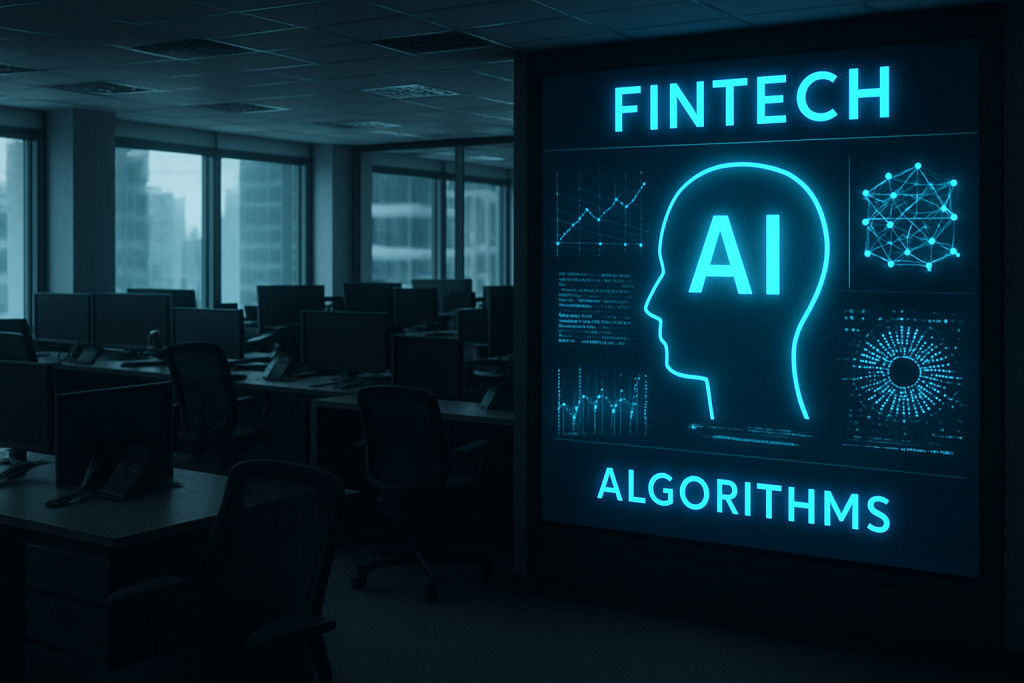

The air in Silicon Valley crackled with a nervous energy yesterday as Block Inc., the fintech behemoth behind Square and Cash App, dropped a bombshell that sent shockwaves through the tech world. In a move that felt ripped straight from the dystopian pages of a William Gibson novel, CEO Jack Dorsey announced the layoff of approximately 4,000 employees-nearly half of Block’s entire workforce. The culprit? Not a market crash, not a failed product launch, but something far more unsettling: the relentless march of artificial intelligence.
Dorsey, never one to shy away from bold pronouncements, framed the decision as a strategic pivot, a necessary evolution to keep Block at the bleeding edge of the fintech revolution. He argued that AI had fundamentally reshaped the company’s operational landscape, enabling leaner, more efficient processes with significantly smaller teams. Think of it as the Terminator scenario, but instead of Skynet wiping out humanity, it’s algorithms optimizing expense reports and streamlining payment processing. Less dramatic, perhaps, but arguably just as disruptive.
But let’s rewind a bit. This isn’t some isolated incident. The rise of the machines, or at least their intelligent software counterparts, has been a slow burn for years. Block, co-founded by Dorsey, has always been a company driven by innovation, constantly seeking ways to disrupt the traditional financial system. From empowering small businesses with accessible payment solutions to democratizing access to cryptocurrency, Block has consistently pushed the boundaries of what’s possible. But even pioneers can become victims of their own success, forced to adapt to the ever-accelerating pace of technological change.
The broader tech industry has been hurtling toward this moment for some time. We’ve seen AI gradually seep into every corner of our digital lives, from personalized recommendations on streaming services to self-driving cars navigating our streets. But behind the convenience and innovation lies a darker truth: the potential for widespread job displacement. Last year alone, companies attributed a staggering 55,000 job cuts directly to AI integration, a chilling statistic that underscores the profound impact this technology is having on the workforce. Remember the anxieties surrounding automation in the manufacturing sector? This is that, but on steroids, and affecting white-collar jobs across a vast range of industries. It’s as if we’re living in a real-life version of “Office Space,” only instead of smashing the printer, you’re replaced by a neural network.
The details of Block’s announcement paint a stark picture. Dorsey emphasized that AI tools have not just augmented existing processes, but have fundamentally redefined them. Tasks that once required entire departments can now be handled by sophisticated algorithms, freeing up human employees to focus on more strategic initiatives. Of course, “strategic initiatives” in this context often translates to “searching for a new job,” at least for the 4,000 departing employees.
The market reaction was, predictably, a mixed bag. While the news sent shivers down the spines of workers across the tech landscape, investors cheered. Block’s stock price soared by a remarkable 24% in after-hours trading, a clear indication that Wall Street sees AI-driven efficiency as a path to greater profitability. It’s a classic case of short-term gain versus long-term pain, a Faustian bargain where innovation comes at the cost of human capital. You could almost hear Gordon Gekko whispering, “Greed, for lack of a better word, is good,” from beyond the grave.
The implications of this move are far-reaching. Block’s layoffs serve as a stark warning to other companies, a signal that the AI revolution is not just a futuristic fantasy, but a present-day reality with tangible consequences. While AI offers the promise of increased efficiency and innovation, it also raises profound questions about the future of work, the role of human labor, and the ethical responsibilities of tech companies. How do we ensure that the benefits of AI are shared equitably, rather than concentrated in the hands of a few wealthy corporations? How do we reskill and retrain workers displaced by automation, providing them with the tools they need to thrive in the new economy? These are not just abstract philosophical questions; they are urgent societal challenges that demand immediate attention.
The tech industry finds itself at a crossroads, grappling with the tension between innovation and social responsibility. Are we destined to become a society where human workers are increasingly marginalized, replaced by ever-more-sophisticated algorithms? Or can we find a way to harness the power of AI to create a more inclusive and prosperous future for all? The answer, it seems, lies not just in the technology itself, but in the choices we make about how to deploy it, regulate it, and ensure that its benefits are shared by everyone.
Discover more from Just Buzz
Subscribe to get the latest posts sent to your email.