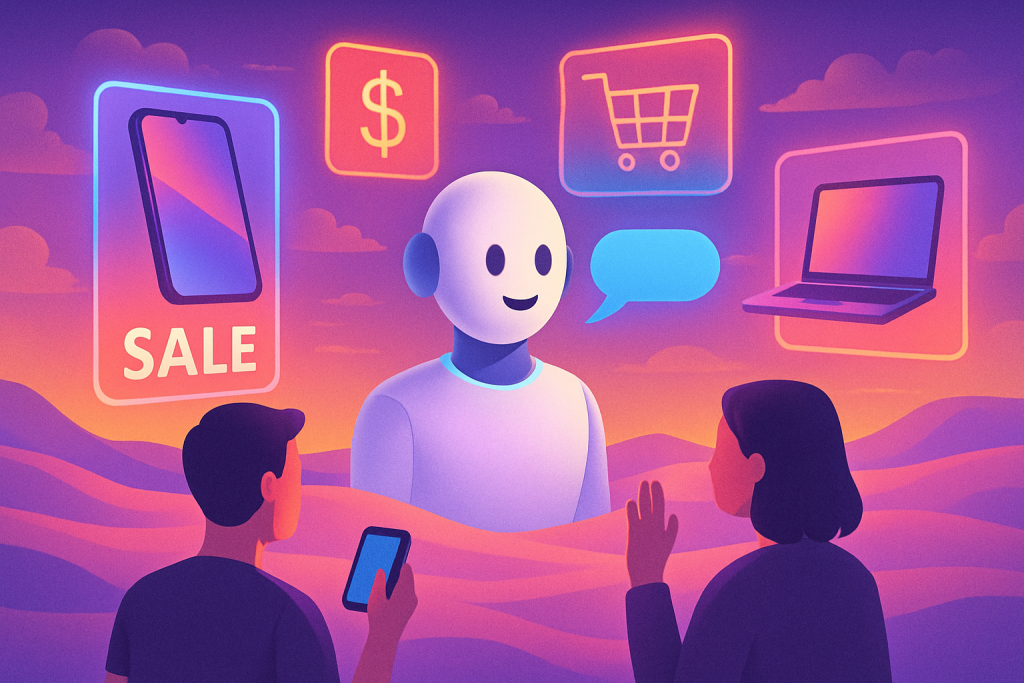

Remember that feeling when you first encountered ChatGPT? Like stepping into a sci-fi movie where the computer actually gets you? Well, hold onto your neural nets, folks, because the plot just thickened. Word on the digital street is that OpenAI, the wizards behind our favorite conversational AI, are tinkering with something that could fundamentally alter the ChatGPT experience: advertisements.
That’s right, the once pristine, ad-free haven of artificial intelligence may soon be sharing screen space with, well, ads. Think of it like this: ChatGPT is Dorothy, and the Emerald City is now brought to you by a coalition of sponsors. This news, surfacing late yesterday from sources close to OpenAI, has the tech world buzzing like a server farm on overdrive.
But before we all start picturing intrusive pop-ups hijacking our philosophical debates with a chatbot, let’s unpack what this really means, and why it’s a bigger deal than just a few extra pixels on your screen.
To understand the gravity of this potential shift, we need to rewind a bit. ChatGPT exploded onto the scene, capturing the imagination of everyone from students writing essays to coders debugging code. All that computing power, all that cutting-edge AI, it costs a pretty penny. OpenAI has been primarily funded through subscription models like ChatGPT Plus, as well as strategic partnerships. But as ChatGPT’s user base has grown exponentially, so have the costs. Those GPUs aren’t cheap, and running a global AI service isn’t exactly like running a lemonade stand. The pressure to find sustainable, scalable revenue streams is mounting.
Enter: advertising. It’s a well-trodden path for free-to-use platforms. Think of YouTube, Facebook, or even your favorite free mobile game. Ads are the lifeblood that keeps the servers humming and the developers coding. But integrating ads into an experience as intimate as a conversation with an AI is uncharted territory. It’s a bit like adding commercials to your therapy session.
The technical specifics remain shrouded in secrecy. We don’t know what form these ads will take. Will they be subtle, contextually relevant suggestions woven seamlessly into the conversation? Or will they be more overt, banner ads clinging to the edges of the interface like digital barnacles? The potential for disruption is real. Imagine asking ChatGPT for advice on the best hiking boots, only to be bombarded with targeted ads for overpriced outdoor gear. The line between helpful assistant and digital salesperson could become dangerously blurred.
And that’s where the ethical considerations come crashing in like a rogue wave. Advertising, by its very nature, is designed to influence behavior. But when the influencer is an AI that users already trust and rely on, the potential for manipulation skyrockets. Will ChatGPT be able to maintain its objectivity when its financial survival depends on promoting certain products or services? Will users be able to distinguish between genuine advice and subtly disguised advertising?
Privacy is another major concern. To deliver effective ads, OpenAI will likely need to collect even more data about its users. What we talk about, what we ask, what we click on- all of that information becomes valuable fodder for advertisers. OpenAI will need to tread carefully to ensure that user data is protected and that privacy policies are transparent and user-friendly. Otherwise, they risk alienating the very users who made ChatGPT such a phenomenon in the first place.
The implications for the broader AI industry are equally profound. If OpenAI successfully integrates ads into ChatGPT without severely damaging the user experience, it could set a precedent for other AI platforms. Imagine a world where your AI-powered personal assistant peppers your schedule with sponsored events, or your AI-driven writing tool subtly promotes certain brands in your documents. The ad-supported AI future could be just around the corner.
Of course, the financial implications are significant. A successful ad integration could unlock a massive new revenue stream for OpenAI, potentially solidifying its position as the dominant player in the AI landscape. But a botched implementation could backfire spectacularly, driving users away and tarnishing the company’s reputation. The stakes are high.
The coming months will be crucial. As OpenAI continues its internal testing, the world will be watching closely. Will they be able to strike the delicate balance between monetization and user experience? Will they be able to navigate the ethical minefield of AI-powered advertising? The future of ChatGPT, and perhaps the future of AI itself, may depend on it. It’s a bit like watching a tightrope walker over the Grand Canyon. We’re all holding our breath, hoping they make it to the other side.
Discover more from Just Buzz
Subscribe to get the latest posts sent to your email.