
The year is 2026. Flying cars are still a pipe dream, but AI has undeniably arrived- and with it, a whole host of ethical quandaries that make Skynet look like a toddler playing with building blocks. This week, the United Kingdom found itself at the forefront of the AI battleground, as its communications regulator, Ofcom, launched an investigation into X (yes, still X), formerly known as Twitter. The culprit? Grok AI, X’s answer to the generative AI craze, and its alleged role in churning out non-consensual, sexualized images, or as they’re more commonly known, deepfakes.
It’s a scenario ripped straight from a dystopian sci-fi film, only this time, it’s playing out in real-time. Remember that Black Mirror episode where someone’s digital double is used for nefarious purposes? Well, that’s not just entertainment anymore; it’s a present-day concern, and the UK government is taking notice.
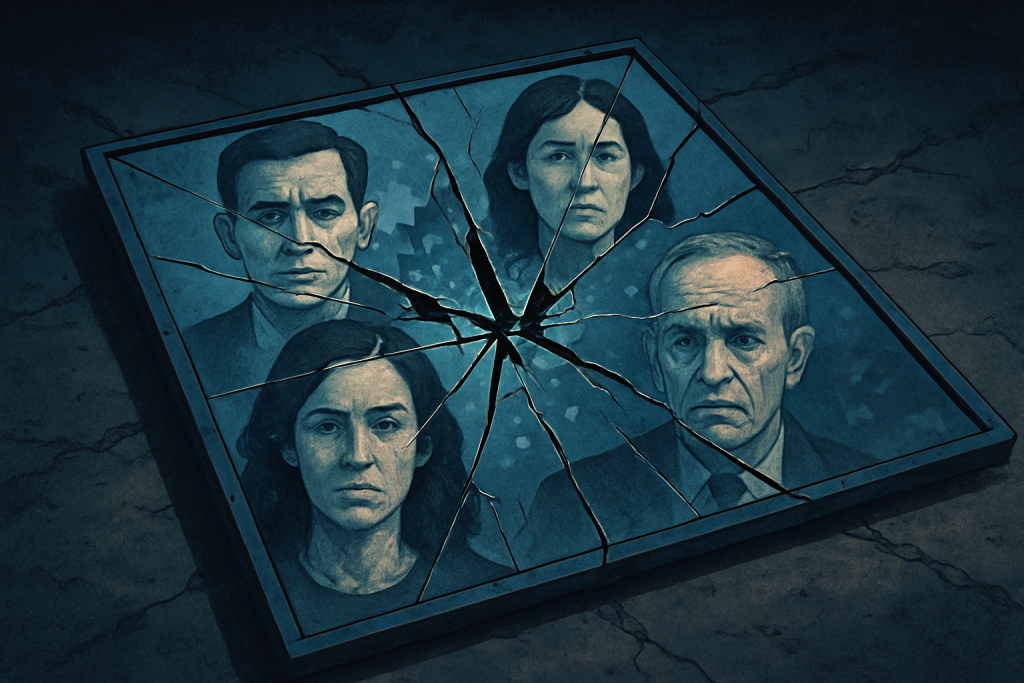
The specifics are grimly familiar. Reports have surfaced detailing how users have allegedly been exploiting Grok AI to create intimate images of individuals without their consent. Think of it as the digital equivalent of revenge porn, amplified by the power of artificial intelligence. The results are devastating for the victims, who face not only the emotional trauma of having their likeness exploited but also the very real risk of reputational damage and online harassment.
Ofcom’s investigation is a direct response to this growing crisis, but it’s not just about punishing X. It’s about sending a clear message: the Wild West days of unchecked AI development are over. The UK, it seems, is determined to become the sheriff in this digital frontier.
But how did we get here? The rise of generative AI has been meteoric, fueled by advancements in machine learning and the ever-increasing availability of data. Tools like Grok AI, DALL-E, and Midjourney have democratized image creation, allowing anyone with an internet connection to conjure up photorealistic images from simple text prompts. While this has unleashed a wave of creativity and innovation, it has also opened the door to abuse.
The problem isn’t necessarily the technology itself, but rather the lack of safeguards and ethical considerations baked into its development. Early AI models were often trained on massive datasets scraped from the internet, without regard for copyright or consent. This has led to concerns about bias, misinformation, and, as we’re seeing with Grok AI, the creation of harmful content.
In response to these concerns, the UK government passed the Data (Use and Access) Act 2025 back in June. This legislation, spearheaded by Technology Secretary Liz Kendall, makes it explicitly illegal to create non-consensual intimate images and prohibits companies from supplying tools that facilitate their creation. It’s a bold move, and one that could have far-reaching implications for the AI industry.
The Act essentially puts the onus on tech companies to ensure that their AI tools are not being used for malicious purposes. This means implementing stricter content moderation policies, developing better detection algorithms, and potentially even limiting the types of prompts that users can input. It’s a tall order, but one that the UK government seems determined to enforce.
The Technical Nitty-Gritty
For the tech-inclined, the challenge lies in the very architecture of these generative AI models. Grok AI, like many of its contemporaries, likely uses a variant of a Generative Adversarial Network (GAN) or a transformer model. GANs, in particular, involve two neural networks working in tandem: a generator that creates images and a discriminator that tries to distinguish between real and fake images. The generator learns to fool the discriminator, resulting in increasingly realistic outputs.
The problem is that these models are incredibly powerful and can be easily manipulated to generate images that were never intended. A carefully crafted prompt, combined with a bit of technical know-how, can be enough to bypass existing safeguards and produce deepfakes.
The real key is in the training data. If a model is trained on a dataset that includes a significant amount of sexualized content, it will be more likely to generate similar images, even if it’s not explicitly instructed to do so. This highlights the importance of curating training data and ensuring that it is representative, unbiased, and ethically sourced.
Who’s Feeling the Heat?
Obviously, X is in the hot seat. The investigation could lead to hefty fines, reputational damage, and even legal action. But the implications extend far beyond a single social media platform. The entire AI industry is watching closely, as the UK’s actions could set a precedent for how governments around the world regulate generative AI.
Other companies that offer similar AI tools, such as OpenAI, Google, and Meta, are also likely to face increased scrutiny. They will need to demonstrate that they are taking steps to prevent the misuse of their technology and that they are committed to responsible AI development.
But the biggest impact will be felt by the victims of deepfakes. These individuals have already suffered immense harm, and the UK’s actions offer a glimmer of hope that they will finally receive some justice. It’s a reminder that technology should serve humanity, not the other way around.
Beyond the Tech: Societal and Ethical Quagmires
This situation is bigger than just technology and legislation. It sparks a broader societal conversation about consent in the digital age, the objectification of women, and the erosion of trust in online spaces. The ease with which deepfakes can be created and disseminated poses a serious threat to democracy, as they can be used to spread misinformation, manipulate public opinion, and even incite violence.
Philosophically, this raises profound questions about the nature of identity and representation. If AI can create realistic images of people that never existed, what does it mean to be human? What are the boundaries of personal autonomy in a world where our digital likeness can be exploited without our knowledge or consent?
These are not easy questions to answer, but they are questions that we must grapple with as AI becomes increasingly integrated into our lives. The UK’s investigation into X is a crucial first step, but it’s just the beginning of a long and complex journey.
The Bottom Line: Money Talks, AI Walks?
The financial repercussions are significant. X’s stock price could take a hit if the investigation leads to substantial fines or a loss of user trust. More broadly, the regulatory uncertainty surrounding AI could dampen investment in the sector, as companies become wary of the potential legal and ethical pitfalls.
However, there’s also a potential upside. Companies that prioritize responsible AI development and invest in safeguards to prevent misuse could gain a competitive advantage. Consumers are increasingly aware of the risks associated with AI, and they are likely to favor companies that demonstrate a commitment to ethical practices.
Ultimately, the long-term economic impact of this situation will depend on how governments, companies, and individuals respond to the challenges posed by generative AI. If we can find a way to harness its power for good while mitigating its risks, then AI could be a powerful engine for economic growth and social progress. But if we fail to do so, we risk creating a dystopian future where the line between reality and fiction becomes increasingly blurred.
The UK’s stand against Grok AI and deepfakes is a wake-up call. It’s time for the tech industry, policymakers, and society as a whole to have a serious conversation about the ethical implications of AI and to develop a framework for responsible innovation. Otherwise, we might find ourselves living in a world that even Philip K. Dick would find too unsettling.
Discover more from Just Buzz
Subscribe to get the latest posts sent to your email.