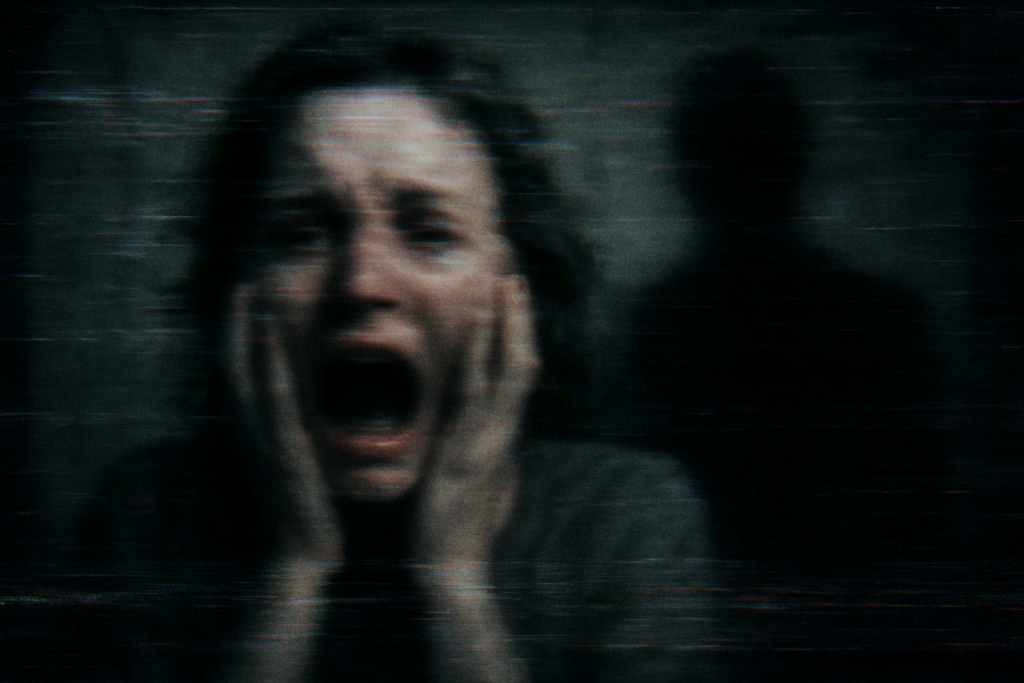

Imagine this: a frantic call, a grainy video, and the chilling image of your child, your spouse, your parent, bound and pleading for help. The voice on the other end demands immediate payment, threatening unspeakable harm. This isn’t a scene from a Liam Neeson thriller; it’s the horrifying reality the FBI is now warning us about, fueled by the rapidly advancing capabilities of generative AI.
On December 13, 2025, the FBI issued a stark public advisory: a surge in kidnapping and extortion scams are leveraging GenAI to create disturbingly convincing deepfake videos. These aren’t just bad Photoshop jobs; we’re talking about meticulously crafted digital illusions designed to prey on our deepest fears and exploit our most primal instincts. Think “Unfriended” meets “Taken,” only instead of a vengeful father, it’s a cold, calculating AI-powered scammer.
The concept of using fake visuals for extortion isn’t new. We’ve seen doctored images and manipulated audio used for years to deceive and manipulate. But the quantum leap in AI technology, particularly in the realm of deepfakes, has elevated this nefarious practice to a whole new level of sophistication and effectiveness. What used to require specialized skills and significant resources can now be achieved with readily available AI tools and a little bit of internet sleuthing.
The process is chillingly simple. Scammers scrape personal content- photos, videos, voice recordings- from social media profiles, family websites, even seemingly innocuous online forums. They then feed this data into AI models capable of generating realistic videos that depict the target’s loved one in distress, often staged in a kidnapping scenario. The “proof of life” video is then used to pressure victims into making quick, often irreversible, decisions. The urgency is key; the scammers know that the more time a victim has to think, the more likely they are to realize the video’s a fake. It’s psychological warfare, powered by algorithms.
One might think that these AI-generated images would be easy to spot. After all, deepfakes often exhibit telltale signs- unnatural blinking, inconsistent lighting, or subtle distortions. But the criminals are getting smarter. They deliberately introduce imperfections, framing it as a consequence of the “kidnapping” itself. A slightly blurry image, a muffled voice, a strategically placed shadow- these imperfections are used to create a sense of realism and urgency, further clouding the victim’s judgment. Think of it as the Uncanny Valley effect weaponized: close enough to reality to trigger an emotional response, but just off enough to instill a sense of unease that the scammer exploits.
Which brings up the question: who is most vulnerable? Anyone with a public online presence is a potential target. Parents who proudly share photos of their children, individuals active on social media, even companies that feature employee profiles on their websites- all are unwittingly providing the raw materials for these AI-powered scams. The more information available online, the easier it is for scammers to create a convincing deepfake and tailor their extortion demands.
The immediate implications are clear: increased anxiety, financial losses, and a chilling effect on online sharing. People may become more hesitant to post personal information online, fearing that it could be used against them. This could stifle online communities and limit the benefits of social media, from connecting with loved ones to sharing important information. The long-term consequences are even more profound. As AI technology continues to advance, it will become increasingly difficult to distinguish between reality and fabrication. This could erode trust in all forms of media and create a climate of paranoia and suspicion.
Beyond the immediate financial and emotional toll, these AI-powered scams raise fundamental ethical questions. Who is responsible when AI is used to commit a crime? The developers of the AI technology? The individuals who use it for malicious purposes? The platforms that host the content? These are complex questions with no easy answers. The legal and regulatory frameworks surrounding AI are still in their infancy, and it’s unclear how they will adapt to address these new challenges. Are we heading toward a future where every image and video is suspect, where we can no longer trust our own eyes and ears? It’s a dystopian scenario straight out of “Black Mirror,” and it’s closer than we think.
The FBI’s recommendations offer a glimmer of hope. Limiting the sharing of personal information online, using unique family code words, and contacting loved ones directly before responding to ransom demands are all practical steps that can help mitigate the risk. But ultimately, the solution lies in a multi-pronged approach that combines technological safeguards, public awareness campaigns, and robust legal frameworks. We need to develop AI tools that can detect and flag deepfakes, educate the public about the risks of AI-powered scams, and hold those who misuse AI accountable for their actions. It’s a race against time, and the stakes are higher than ever. The future of truth, and perhaps even our sense of reality, hangs in the balance.
Discover more from Just Buzz
Subscribe to get the latest posts sent to your email.