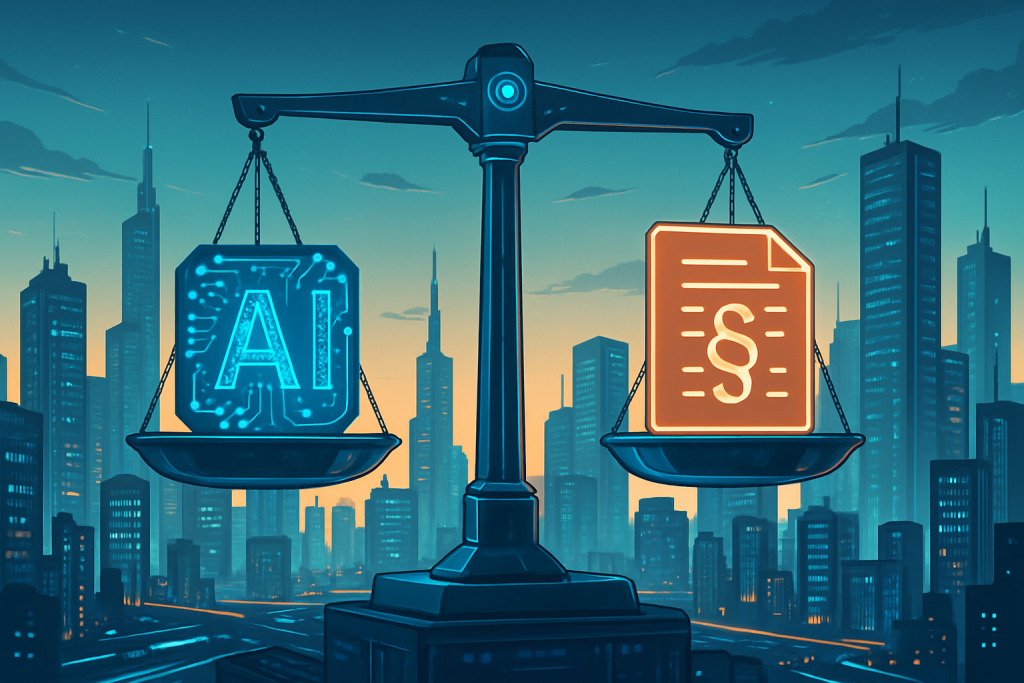

The year is 2026. Flying cars still haven’t taken off (though, to be fair, the self-parking drones are pretty sweet), but Artificial Intelligence? It’s absolutely everywhere. From your fridge suggesting recipes based on your mood (and probably judging your questionable dietary choices) to AI therapists analyzing your dreams with uncanny accuracy, the future we were promised is… well, a little bit here. And where there’s ubiquitous tech, there’s inevitably a need for rules. Which brings us to the big news: the White House just dropped its “National Policy Framework for Artificial Intelligence: Legislative Recommendations,” a four-page document that’s already causing ripples across Silicon Valley and beyond.
Think of it as the AI equivalent of the Magna Carta- or at least, that’s what the administration is hoping for. Crafted by Michael Kratsios, Director of the Office of Science and Technology Policy (OSTP), and David Sacks, White House Special Advisor for AI and Crypto (yes, crypto is still a thing, apparently), this framework isn’t law itself. It’s more like a strongly worded suggestion to Congress, urging them to get cracking on legislation covering everything from child safety online to the thorny issue of intellectual property in the age of AI.
But why now? Well, the AI genie is well and truly out of the bottle. We’ve seen the good, the bad, and the downright terrifying when it comes to AI. We’re talking about everything from AI-powered medical breakthroughs that are extending lifespans to deepfake videos that are making political discourse even more of a dumpster fire than it already was. The Wild West days of unregulated AI development are officially over. The Sheriff is here, or at least, a memo from the Sheriff’s office is.
The framework itself is divided into seven key areas, each designed to address a specific challenge posed by the rise of AI. Let’s break down the big ones:
First up: Protecting the Kids. Remember that scene in *Black Mirror* where the kid gets a creepy AI doll that spies on her? Yeah, that’s the kind of thing the White House is trying to prevent. The framework calls for tools that empower parents to manage their children’s privacy, screen time, and exposure to potentially harmful content on AI platforms. Think parental controls on steroids, with AI helping to filter out the truly nasty stuff. They’re even referencing the TAKE IT DOWN Act of 2025, which, as you may remember, made spreading non-consensual intimate images (including deepfakes) a federal crime. It’s a clear message: mess with the kids, and you’ll face the consequences.
Next: Safeguarding Communities. This section gets into the nitty-gritty of AI’s impact on infrastructure and the economy. The framework advocates for codifying the Ratepayer Protection Pledge, which basically says that Big Tech should foot the bill for all the extra electricity their massive data centers are guzzling. Nobody wants their electricity bill to skyrocket because some AI is busy training itself to write better cat memes, right? The document also calls for speeding up the permitting process for on-site power generation at AI facilities. Translation: let’s make it easier for these companies to generate their own power, so they don’t overload the grid. And, perhaps unsurprisingly, there is a call for enhanced law enforcement tools to combat AI-enabled scams targeting seniors. Because apparently, even Grandma isn’t safe from the robots.
But the real bombshell? Federal Preemption of State AI Laws. This is where things get spicy. The White House wants Congress to essentially override any state AI laws that are deemed too restrictive. Their argument? AI development is an “inherently interstate phenomenon” with major implications for national security and foreign policy. In other words, regulating AI is too important to be left to individual states. They do allow states to enforce general laws related to child protection, fraud prevention, and consumer protection, but the overall message is clear: the feds want to be in charge of AI regulation.
Predictably, this proposal has already ignited a firestorm of controversy. Axios pointed out that disagreements over issues like copyright and child safety have already stalled previous attempts to regulate AI at the federal level. Overriding state laws is likely to face stiff resistance from state officials, regardless of their political affiliation. Think of it as a modern-day showdown between the federal government and the states, with AI as the prize.
CNBC also chimed in, highlighting the political realities of the situation. With narrow Republican majorities in Congress and the midterm elections looming, the administration may have a tough time pushing this framework through. Especially when they have other legislative priorities to juggle. It’s like trying to juggle flaming chainsaws while riding a unicycle- impressive if you can pull it off, but highly likely to end in disaster.
To add even more fuel to the fire, Senator Marsha Blackburn (R-TN) dropped a discussion draft of the “TRUMP AMERICA AI Act” just two days before the White House released its framework. While Blackburn’s bill aims to codify some elements of a previous executive order, it diverges from the administration’s stance on copyright. Blackburn believes that using copyrighted works to train AI should *not* be considered fair use, a position that the White House seems content to leave up to the courts. So, even within the same party, there’s disagreement on how to regulate AI.
So, what does all of this mean for you, the average tech enthusiast? Well, it means that the future of AI regulation is still very much up in the air. The White House’s framework is a bold attempt to establish a cohesive federal approach, but it’s facing significant political and legal hurdles. Whether it succeeds or fails, one thing is clear: the debate over how to regulate AI is only just beginning. And as AI continues to permeate every aspect of our lives, it’s a debate that we all need to be paying attention to.
The implications here are huge. Consider the financial impact: Clearer regulations can provide stability for AI-driven companies, encouraging investment and innovation. But overly restrictive laws could stifle growth and push innovation overseas. It’s a delicate balancing act. Ethically, we’re talking about the very soul of AI. How do we ensure that AI is used for good, not evil? How do we prevent bias and discrimination from being baked into AI algorithms? These are not just technical questions; they are moral imperatives.
And let’s not forget the philosophical implications. As AI becomes more sophisticated, what does it mean to be human? Will AI eventually surpass human intelligence? Will we become obsolete? These are the kinds of questions that used to be confined to science fiction novels, but they are now very real possibilities. So, buckle up, folks. The AI revolution is here, and it’s going to be a wild ride.
Discover more from Just Buzz
Subscribe to get the latest posts sent to your email.