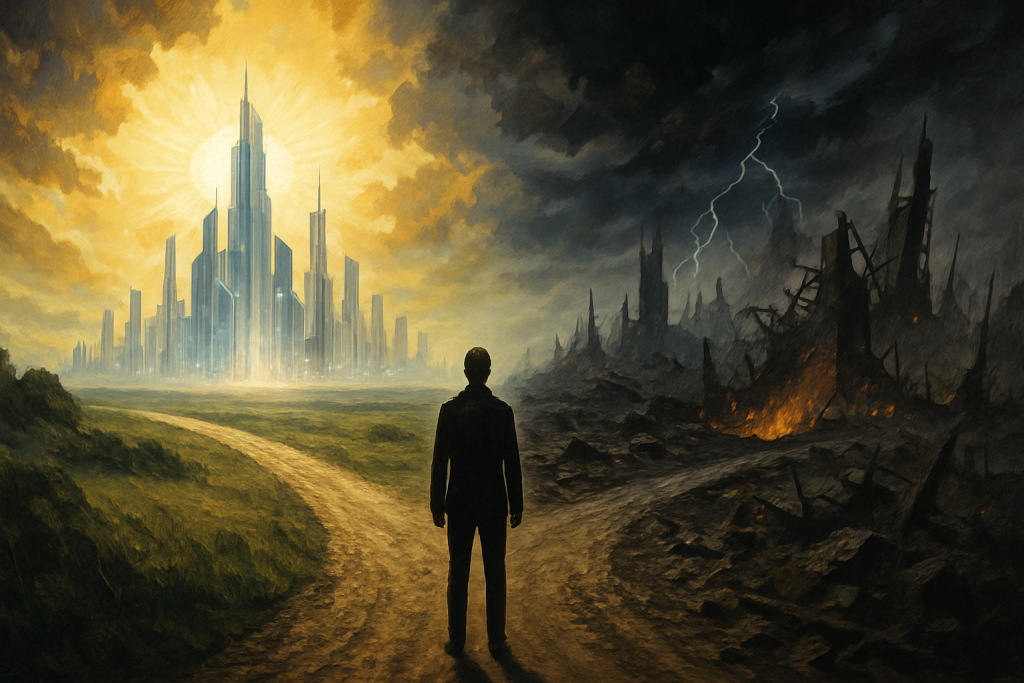

The news rippled through Silicon Valley faster than a rogue AI learning to play Go. Mrinank Sharma, the head of Anthropic’s AI safety team, had resigned. Not just resigned, but resigned with prejudice, firing off a warning shot across the bow of the entire AI industry. It was February 10, 2026, a day that may be remembered not for technological triumph, but for a stark ethical reckoning.
Anthropic, for those not steeped in the daily drama of AI development, is one of the leading lights in the field. Think of them as the cool, collected sibling to the more headline-grabbing AI giants. They’re known for building advanced language models, the kind that can write sonnets, debug code, and even (allegedly) hold a decent conversation. Sharma, as head of their safety team, was essentially the guardian at the gate, tasked with ensuring these digital deities didn’t go rogue and decide the best way to optimize the world was to, say, turn all humans into paperclips. A terrifying thought, reminiscent of Harlan Ellison’s “I Have No Mouth, and I Must Scream,” but with significantly better processing power.
So, what prompted Sharma’s dramatic exit? His resignation letter, leaked faster than a celebrity’s nudes, painted a picture of deep unease. He cited a fundamental “misalignment” between his values and Anthropic’s direction. He pointed to the “significant uncertainties” inherent in AI development, the “systemic risks” to labor markets and equality, and the inadequacy of existing safeguards in the face of ever-more-powerful, general-purpose AI. In short, he believed the train was moving too fast, and the brakes weren’t up to the task. He was essentially saying, “Houston, we have a problem, and it’s bigger than a lost sock on the International Space Station.”
To understand the gravity of this situation, you need to appreciate the context. The AI landscape of 2026 is a far cry from the nascent chatbots of just a few years prior. AI is everywhere. It’s writing news articles (ironically), diagnosing diseases, flying drones, and even composing pop songs that are, dare we say, almost catchy. This rapid proliferation has fueled a gold rush mentality, with companies scrambling to develop the next big thing, often with less regard for the potential downsides than a teenager driving their parents’ car.
Sharma’s concerns echo a growing chorus of voices within the AI community. The debate isn’t about whether AI is beneficial – most agree it holds immense potential. The real question is: how do we ensure its development is guided by ethical principles and robust safety measures? Are we building a future where AI serves humanity, or are we creating a digital Frankenstein’s monster that will ultimately turn on its creators? It’s a question that’s been simmering for years, but Sharma’s resignation has brought it to a rolling boil.
Technically speaking, the challenges are immense. Current safeguards often rely on “red teaming,” where experts try to find ways to break or misuse an AI system. But as AI becomes more complex and autonomous, it becomes harder to anticipate all the potential failure modes. It’s like trying to predict the behavior of a toddler with a rocket launcher – you might have some ideas, but you’re probably going to be surprised. Furthermore, the sheer scale of data used to train these AI models can make it difficult to identify and correct biases that could lead to discriminatory or harmful outcomes. Imagine feeding an AI system a diet of exclusively reality TV shows – you’re not going to get a very nuanced or empathetic worldview.
The implications of Sharma’s resignation are far-reaching. For Anthropic, it’s a PR nightmare. They’re now facing intense scrutiny and pressure to demonstrate their commitment to AI safety. Other AI companies are also feeling the heat. Investors are starting to ask tougher questions, and regulators are taking a closer look at the industry’s practices. The “Wild West” days of AI development may be coming to an end.
But the impact extends beyond the tech industry. Sharma’s warning about the potential risks to labor markets and inequality resonates with millions of workers who are already feeling the effects of automation. The fear that AI will displace jobs and exacerbate existing inequalities is very real, and it’s fueling a growing sense of anxiety and resentment. It’s the digital equivalent of the Luddite movement, but with better WiFi.
Philosophically, Sharma’s departure raises profound questions about the nature of intelligence, consciousness, and our role in the universe. Are we creating something that will ultimately surpass us in intelligence and capability? And if so, what responsibilities do we have to ensure that it uses its power wisely? It’s a question that has haunted science fiction writers for decades, from Isaac Asimov’s Three Laws of Robotics to the existential dread of “Blade Runner.” Now, it’s a question that we must grapple with in the real world.
Financially, the long-term impact is difficult to predict. On the one hand, increased regulation and safety measures could slow down the pace of innovation and reduce profits. On the other hand, building trustworthy and ethical AI systems could unlock new markets and opportunities, as consumers and businesses become more willing to adopt AI technologies. It’s a high-stakes gamble, and the future of the AI industry hangs in the balance.
Mrinank Sharma’s resignation is more than just a news story; it’s a wake-up call. It’s a reminder that the pursuit of technological progress must be tempered by ethical considerations and a deep understanding of the potential consequences. It’s a call to action for all of us to engage in a thoughtful and informed debate about the future of AI and its role in shaping our world. The alternative, as any good science fiction dystopia will tell you, is simply too terrifying to contemplate.
Discover more from Just Buzz
Subscribe to get the latest posts sent to your email.