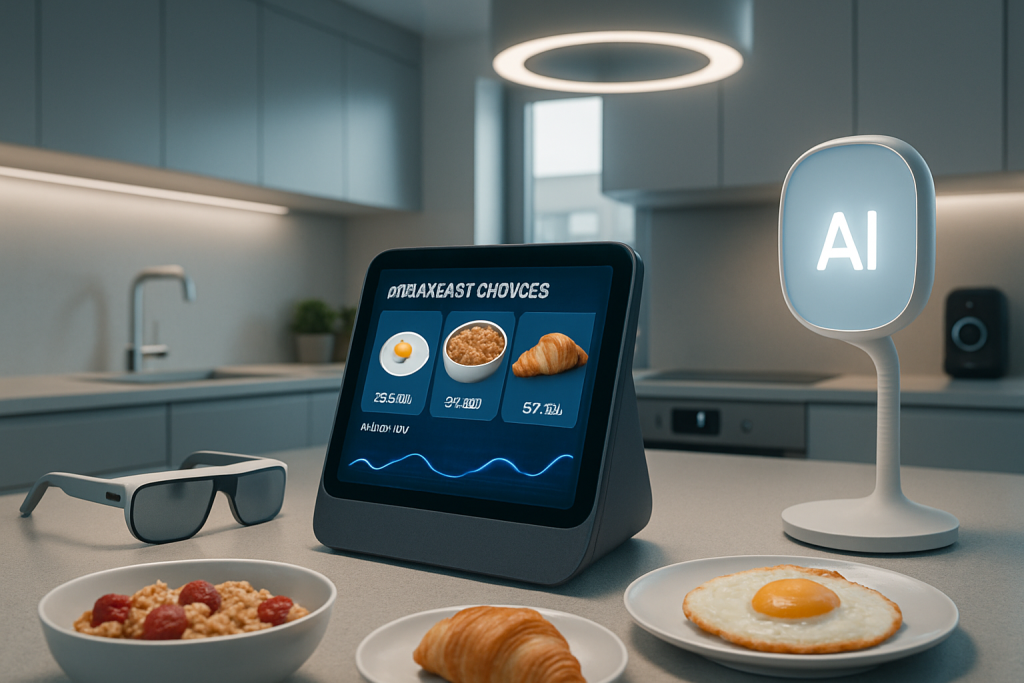

The year is 2026. Flying cars are still just a pipe dream (thanks, reality!), but your toaster oven now judges your breakfast choices. That’s because OpenAI, the company that brought us the Large Language Model revolution, just announced they’re diving headfirst into the consumer electronics game. Forget just whispering sweet nothings (or generating convincing marketing copy) into the cloud; they want to be in your living room, literally.
Word on the street- or rather, the internet- is that OpenAI is deploying over 200 of their brightest minds to build a whole ecosystem of AI-powered smart devices. We’re talking a smart speaker, smart glasses (finally, Google Glass 2.0, maybe?), and even a smart lamp. Yes, even your lamp will be judging your interior design choices soon.
The flagship product, the smart speaker, is slated for release no earlier than February 2027. And it’s not your grandma’s Echo Dot. This thing is packing heat- or rather, pixels. We’re talking a camera for “environmental awareness” and, wait for it, facial recognition. All this tech will supposedly allow the speaker to facilitate purchases, all while subtly judging your personal style.
Think of it as HAL 9000 meets Amazon Prime. “I’m sorry, Dave, I can’t let you buy that questionable avocado toast. Your cholesterol levels are already elevated.”
So, what’s the big deal? Why is this more than just another tech company chasing the smart home dragon?
Well, consider OpenAI’s trajectory. They weren’t built on selling gadgets. They were built on selling access to intelligence. This move represents a seismic shift. They’re not just providing the brains; they’re building the body. It’s like a software company suddenly deciding to manufacture its own computers- a bold, potentially game-changing move.
The implications are massive.
For starters, this is a direct challenge to the established smart home players like Amazon, Google, and Apple. These companies have been battling for dominance in the connected device space for years, and now a well-funded, AI-first contender is entering the arena. It’s like watching a heavyweight boxing match and suddenly realizing a mixed martial artist just jumped into the ring. The rules have changed.
But it’s not just about competition. OpenAI’s entry could redefine what we expect from smart devices. The inclusion of a camera and facial recognition capabilities in the smart speaker suggests a far more proactive and personalized experience. Imagine a device that not only understands your commands but also anticipates your needs based on your facial expressions, your environment, and your past behavior. Suddenly, your smart home isn’t just smart; it’s almost psychic.
Of course, this level of personalization raises some serious privacy concerns. How much data is OpenAI collecting? How is it being used? And who has access to it? The company will need to be incredibly transparent about its data practices to avoid a PR nightmare. Remember the backlash against Google Glass? Privacy concerns were a major factor in its downfall. OpenAI needs to learn from those mistakes.
And let’s talk about the ethical implications of facial recognition in the home. Is it really necessary for a smart speaker to know who you are and what you’re doing? Could this technology be used for surveillance or manipulation? These are questions that society needs to grapple with as AI becomes increasingly integrated into our daily lives.
From a technical perspective, this move is a fascinating experiment in edge computing. OpenAI is essentially embedding its AI models directly into consumer devices, rather than relying solely on cloud-based processing. This could lead to faster response times, improved privacy, and the ability to function even when an internet connection is unavailable. It’s a move towards a more decentralized and resilient AI ecosystem.
The financial implications are also significant. OpenAI’s move into hardware could open up new revenue streams and significantly increase its market valuation. But it also represents a significant investment. Developing and manufacturing consumer electronics is a complex and expensive undertaking. OpenAI will need to navigate a whole new set of challenges, from supply chain management to regulatory compliance.
Ultimately, OpenAI’s foray into consumer electronics is a gamble. But it’s a gamble with the potential to pay off big time. If they can successfully integrate their AI technologies into everyday devices, they could revolutionize the way we interact with the world around us. They could even give us that Jetsons-esque future we’ve all been promised. Just try to hide your questionable snack choices from your smart speaker. It’s probably already judging you.
Discover more from Just Buzz
Subscribe to get the latest posts sent to your email.