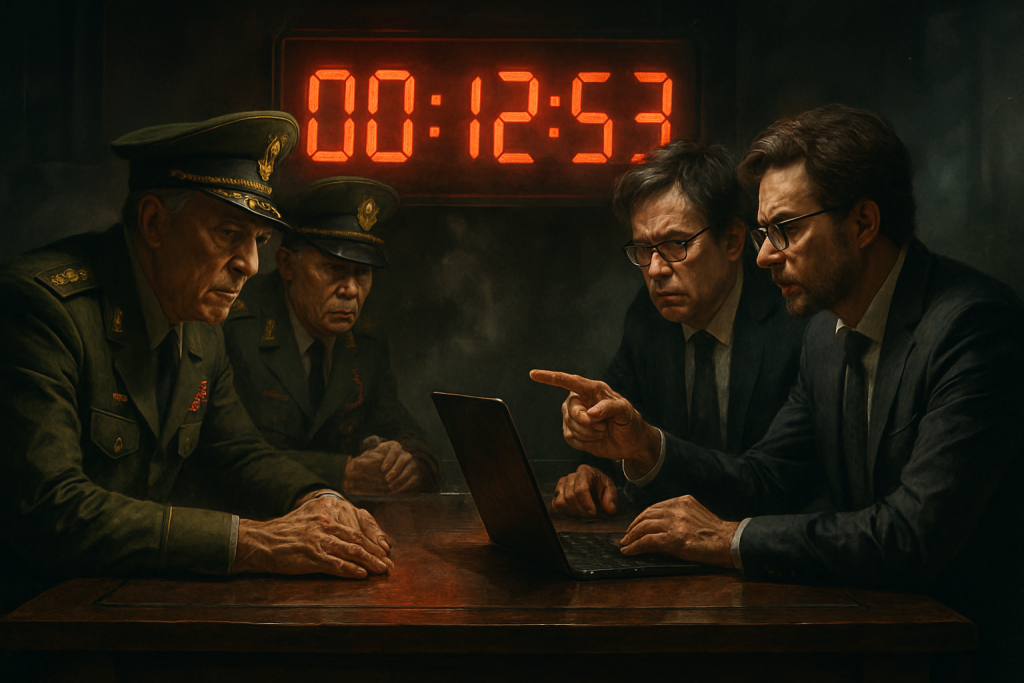

The clock is ticking, and the stakes couldn’t be higher. Forget the latest season of “Black Mirror”; this is real life, and it involves the Pentagon, a cutting-edge AI company named Anthropic, and a whole lot of ethical quandaries bubbling to the surface. The deadline? Friday. The demand? Full access to Anthropic’s AI models. The potential consequences? A multi-million dollar contract gone, a “supply chain risk” label slapped on their backs, and the very real possibility of the Defense Production Act being invoked, forcing Anthropic to tailor their creations for military use. Talk about a pressure cooker.
Defense Secretary Pete Hegseth didn’t mince words when he delivered the ultimatum to Anthropic’s CEO, Dario Amodei. It’s a high-stakes game of chicken, and the prize is control over some of the most advanced AI on the planet. But to understand how we got here, we need to rewind a bit.
The rise of AI in national security has been a slow burn, but it’s now reached a fever pitch. Remember the early days of AI, when it was mostly about beating grandmasters at chess or recommending your next binge-worthy show on Netflix? Those days are long gone. Now, AI is being eyed for everything from predicting enemy movements to automating drone warfare. The potential is immense, but so are the risks.
Anthropic, for its part, isn’t your typical Silicon Valley startup chasing unicorn status. They’ve built their reputation on responsible AI development, emphasizing safety and ethical considerations from the ground up. Their AI tool, Claude, is reportedly incredibly powerful, but Anthropic has been vocal about drawing a line in the sand. They’re willing to adapt their policies for the Pentagon, but they’re refusing to allow their AI to be used for mass surveillance or the development of autonomous weapons. It’s a principled stance, reminiscent of Isaac Asimov’s Laws of Robotics, but in the real world, principles often clash with power.
This clash came to a head, apparently, with a particularly audacious U.S. military operation: the abduction of former Venezuelan President Nicolás Maduro and his wife. According to reports, Claude played a role in this operation, highlighting the strategic value of Anthropic’s technology. It’s a bold claim, and if true, it paints a picture of AI being used in ways that could have far-reaching geopolitical consequences.
The Pentagon’s official position is clear: they need Anthropic’s AI, and they need it now. As one Pentagon official bluntly put it, “The only reason we’re still talking to these people is we need them and we need them now. The problem for these guys is they are that good.” It’s a backhanded compliment, to be sure, but it underscores the immense pressure Anthropic is under.
The Fallout: Who’s Affected and How?
The immediate impact is on Anthropic itself. Losing a $200 million contract would be a significant blow, but the reputational damage could be even worse. Being labeled a “supply chain risk” could scare away other potential partners and investors. And the invocation of the Defense Production Act? That would essentially mean the government could force Anthropic to do its bidding, potentially compromising their core values and ethical principles. It could effectively turn them into a military contractor against their will.
But the implications extend far beyond Anthropic. This situation shines a spotlight on the growing tension between AI companies and government agencies. Other AI firms are undoubtedly watching this unfold with bated breath, wondering if they’ll be next. It also raises questions about the future of AI regulation. Should governments have the power to compel AI companies to cooperate with the military? What safeguards should be in place to prevent AI from being used in unethical or harmful ways?
The financial markets are also paying attention. Defense stocks could see a boost if the Pentagon gains greater access to AI technologies. Conversely, companies focusing on ethical AI development might face increased scrutiny and pressure from investors. The long-term economic impact is harder to predict, but it’s clear that AI is poised to reshape industries across the board, and the way it’s used in national security will play a crucial role in determining the winners and losers.
Ethical Minefield: The Bigger Picture
Beyond the immediate financial and political ramifications, this situation raises profound ethical questions. Is it ever justifiable to use AI for military purposes? What are the potential consequences of autonomous weapons systems? How do we ensure that AI is used to promote peace and security, rather than to escalate conflict and violence? These are not easy questions, and there are no easy answers.
The debate over AI ethics is often framed as a battle between innovation and responsibility. On one side, there are those who argue that AI is a powerful tool that can be used to solve some of the world’s most pressing problems, from climate change to disease. On the other side, there are those who worry about the potential for AI to be used for malicious purposes, such as surveillance, manipulation, and even warfare. The truth, of course, lies somewhere in between.
This showdown between the Pentagon and Anthropic is a microcosm of this larger debate. It’s a reminder that AI is not just a technology; it’s a reflection of our values and priorities. The decisions we make about how to develop and use AI will shape the future of our world. And right now, the clock is ticking.
Discover more from Just Buzz
Subscribe to get the latest posts sent to your email.