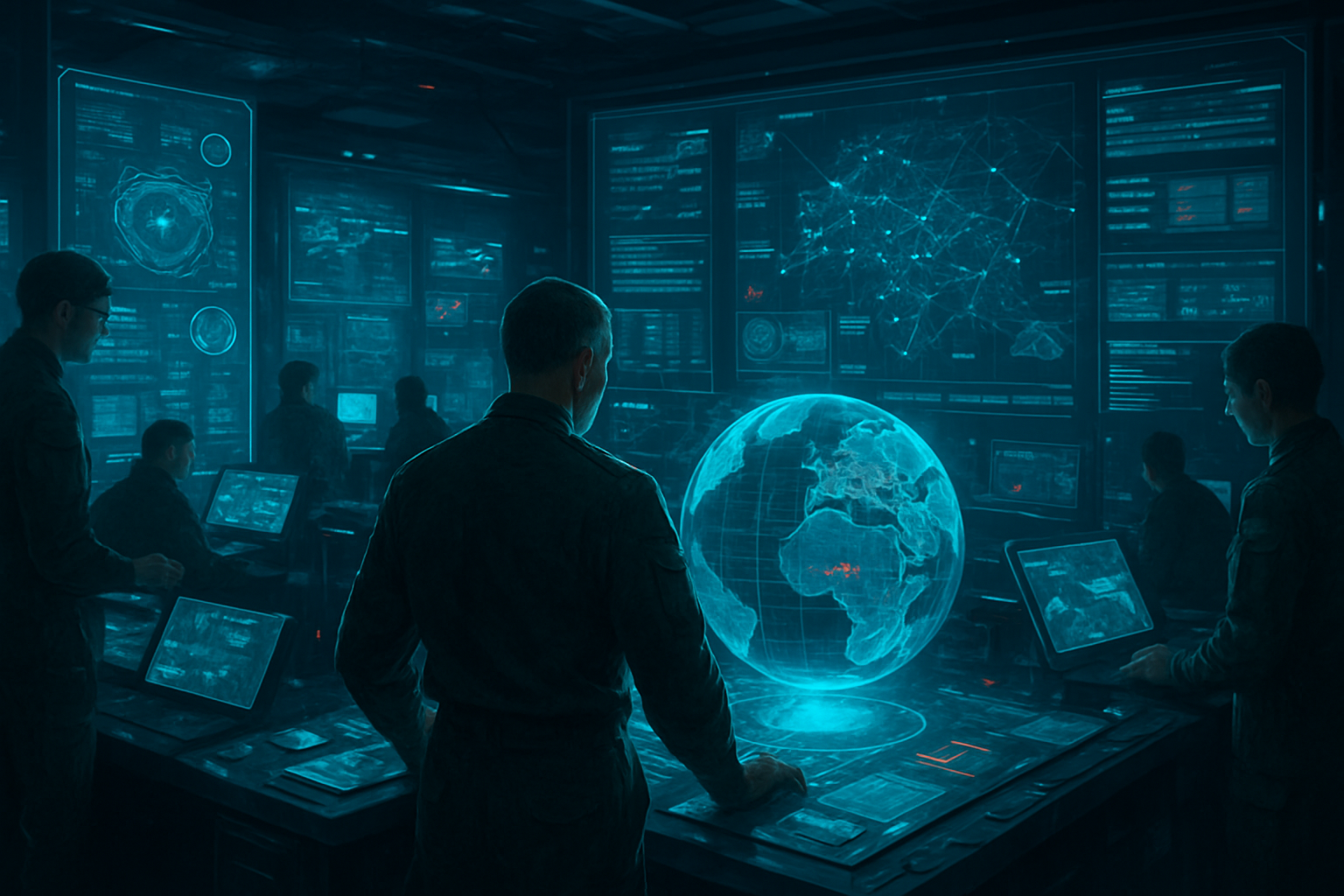
The year is 2026. Remember all those sci-fi movies where the Pentagon was buzzing with AI, making split-second decisions and analyzing data faster than any human could? Well, reality just took another step closer to fiction. Yesterday, the U.S. Department of Defense (DoD) announced a series of blockbuster deals, effectively opening the digital gates of its most secure networks to a septet of tech titans: Google, Microsoft, Amazon Web Services (AWS), Nvidia, OpenAI, SpaceX, and Reflection AI.
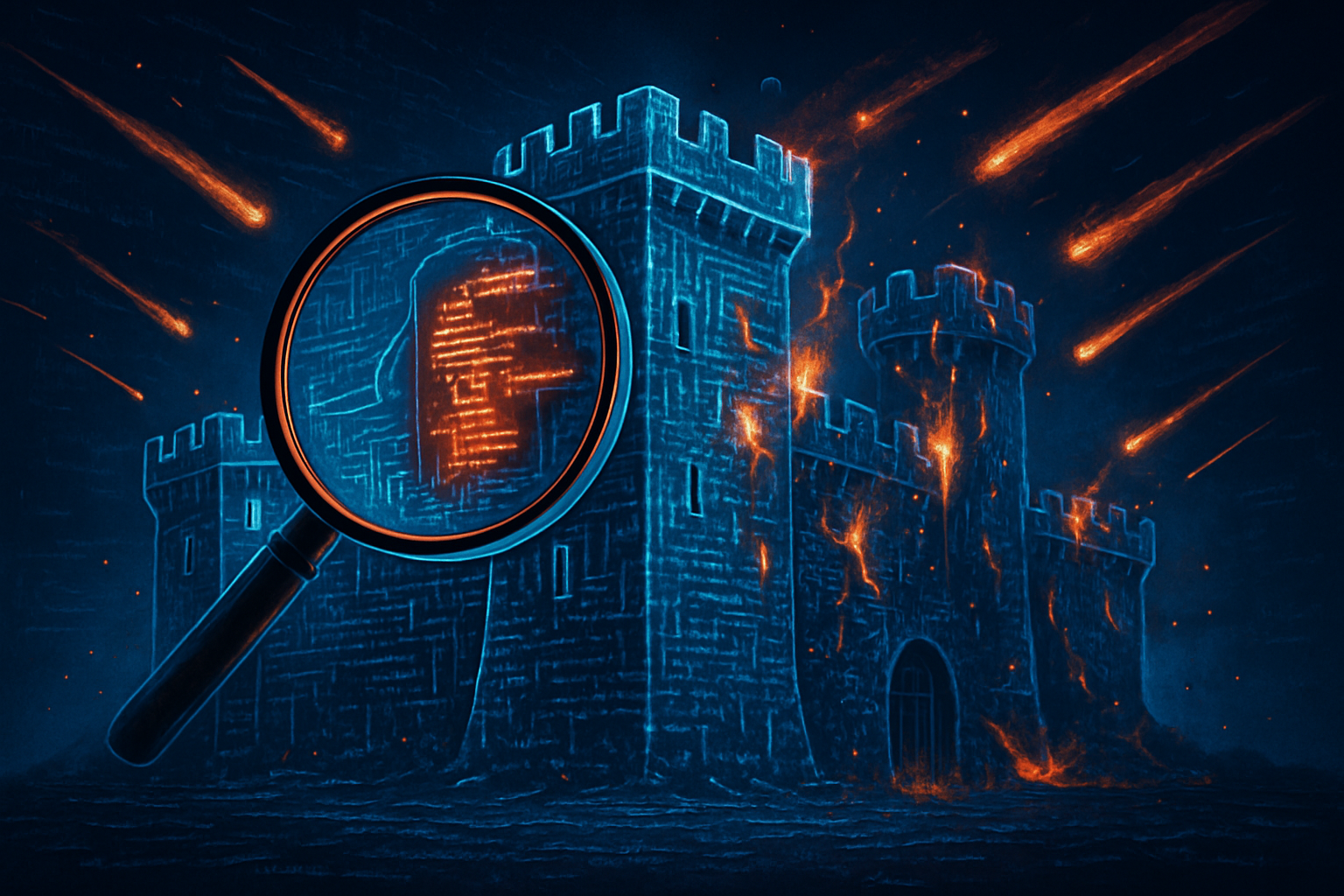
These aren’t just casual collaborations. We’re talking about deploying cutting-edge AI directly onto the Pentagon’s classified networks, the digital fortresses where secrets are kept under lock and key. Think of it as inviting HAL 9000 (hopefully a much friendlier version) to manage the war room.
But before we dive into the implications, let’s rewind a bit. This move isn’t happening in a vacuum. The Pentagon’s been on a mission, a quest if you will, to infuse AI into every facet of its operations. They want smarter decision-making, faster threat assessment, and, ultimately, a strategic edge over potential adversaries. It’s the digital equivalent of upgrading from a horse-drawn carriage to a hypersonic jet.
For years, the DoD has been actively courting the private sector, recognizing that the real AI innovation is happening outside government labs. This partnership approach is crucial. The Pentagon needs the raw power and ingenuity of these tech giants to maintain its dominance in the increasingly complex digital battlefield. It’s like assembling the Avengers, but instead of superheroes, you have algorithms and cloud computing.
Now, here’s where things get interesting, and a bit dramatic. Notice a name missing from that list? Anthropic, the AI firm known for its focus on safety and ethics, and a company that had previously been engaged with the Pentagon, is conspicuously absent. Why? Because of a clash of principles, a digital showdown over the very soul of AI.
Anthropic, bless their ethically-minded hearts, insisted on implementing robust guardrails to prevent their AI from being used for domestic mass surveillance or, even more chillingly, for autonomous weapons. The Pentagon, apparently less enthusiastic about these limitations, essentially slapped a “supply chain risk” label on Anthropic, effectively blacklisting them from the entire Department of Defense ecosystem. Ouch. It’s a stark reminder that even in the age of technological marvel, ethical considerations can be a deal-breaker. This isn’t just about code; it’s about conscience.

So, what exactly are these seven chosen companies bringing to the table? The agreements authorize the DoD to deploy their AI technologies on networks classified as Impact Level 6 (IL6) and Impact Level 7 (IL7). In layman’s terms, these are the networks handling information classified up to the “secret” level and highly sensitive data. We’re talking about the digital equivalent of Fort Knox.

Imagine AI-powered systems analyzing satellite imagery in real-time, identifying potential threats with unparalleled accuracy. Or algorithms predicting enemy movements based on vast datasets, giving warfighters a crucial advantage. Or even AI optimizing logistics and supply chains, ensuring that troops on the ground have the resources they need, when they need them. The possibilities are vast and, frankly, a little unsettling.


The Pentagon’s diversification strategy is also noteworthy. By spreading the AI love across multiple vendors, they’re mitigating the risks associated with relying on a single point of failure. It’s like diversifying your investment portfolio; you don’t want to put all your eggs in one algorithmic basket.
This move also underscores the DoD’s ambition to transform the U.S. military into an “AI-first” fighting force. They envision a future where AI isn’t just a tool but an integral part of every operation, enhancing warfighters’ ability to make decisions faster and more effectively across all domains of warfare. It’s a bold vision, but one fraught with potential pitfalls.
The exclusion of Anthropic, however, is a glaring reminder of the ethical tightrope we’re walking. The tension between technological advancement and ethical considerations is only going to intensify as AI becomes more powerful and pervasive. How do we ensure that these technologies are used responsibly, ethically, and in accordance with our values? That’s the million-dollar question, and one that demands careful consideration.
The financial implications are also significant. These deals represent a massive investment in AI, and they’re likely to spur further innovation and competition in the field. The companies involved stand to gain billions of dollars in revenue, and their stock prices are likely to reflect that. But the economic impact extends beyond these seven companies. The entire AI ecosystem, from startups to research institutions, is likely to benefit from this influx of capital and attention.
But beyond the dollars and cents, there are deeper questions at play. What does it mean to delegate life-or-death decisions to machines? How do we ensure accountability when AI systems make mistakes? And what are the long-term consequences of creating an AI-powered military? These are not just technical questions; they are philosophical and ethical questions that we, as a society, need to grapple with.
The Pentagon’s decision to embrace AI is a watershed moment, a turning point in the history of warfare and technology. It’s a move that could reshape the global balance of power and redefine the very nature of conflict. Whether that future is a utopian dream or a dystopian nightmare remains to be seen. But one thing is certain: the AI revolution is here, and it’s coming to a battlefield near you.
Discover more from Just Buzz
Subscribe to get the latest posts sent to your email.