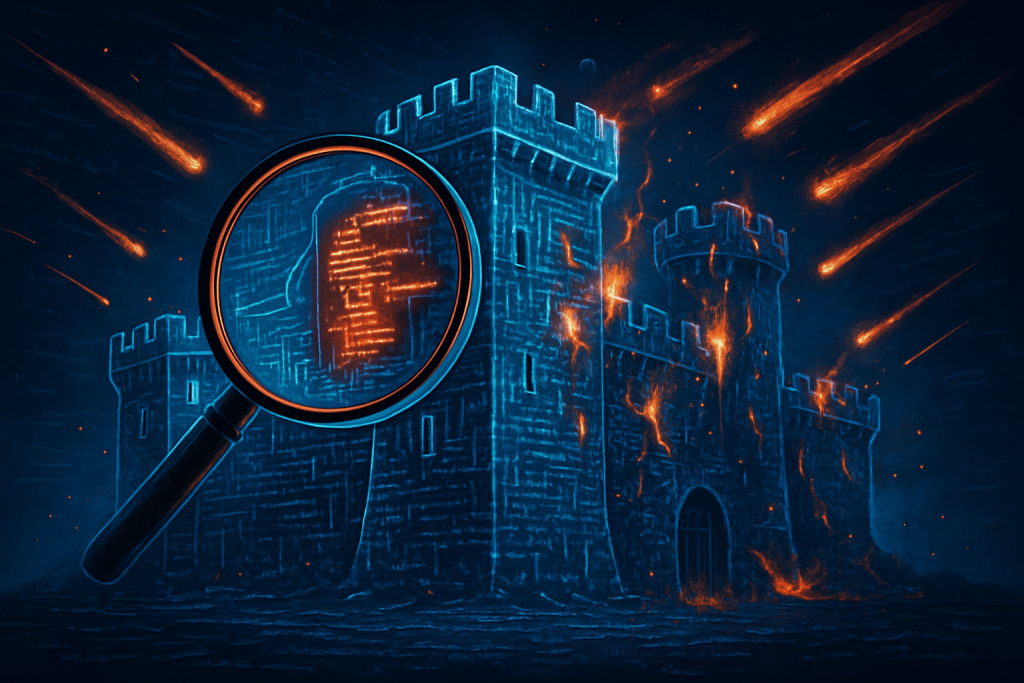
Remember those halcyon days of 2023, when our biggest AI worry was whether a chatbot could write a better sonnet than Shakespeare (spoiler alert: it couldn’t, not really)? Fast forward to May 11, 2026, and the game has changed. Dramatically. Google just dropped a bombshell: AI-powered cyberattacks are no longer theoretical nightmares; they’re here, they’re escalating, and they’re coming for your data.
According to Google’s threat intelligence wizards, we’re not talking about some script kiddie using a slightly smarter phishing email. We’re talking about sophisticated criminal organizations and state-sponsored actors from China, North Korea, and Russia weaponizing commercial AI models like Gemini, Claude, and even OpenAI’s creations. Think Skynet, but instead of killer robots, it’s armies of virtual hackers working 24/7 to find your digital weak spots.
John Hultquist, the chief analyst at Google’s threat intelligence division, didn’t mince words: “There’s a misconception that the AI vulnerability race is imminent. The reality is that it’s already begun.” It’s like that scene in “Jurassic Park” where Dr. Grant realizes the velociraptors are smarter than he thought-except instead of teeth and claws, they have algorithms and zero-day exploits.
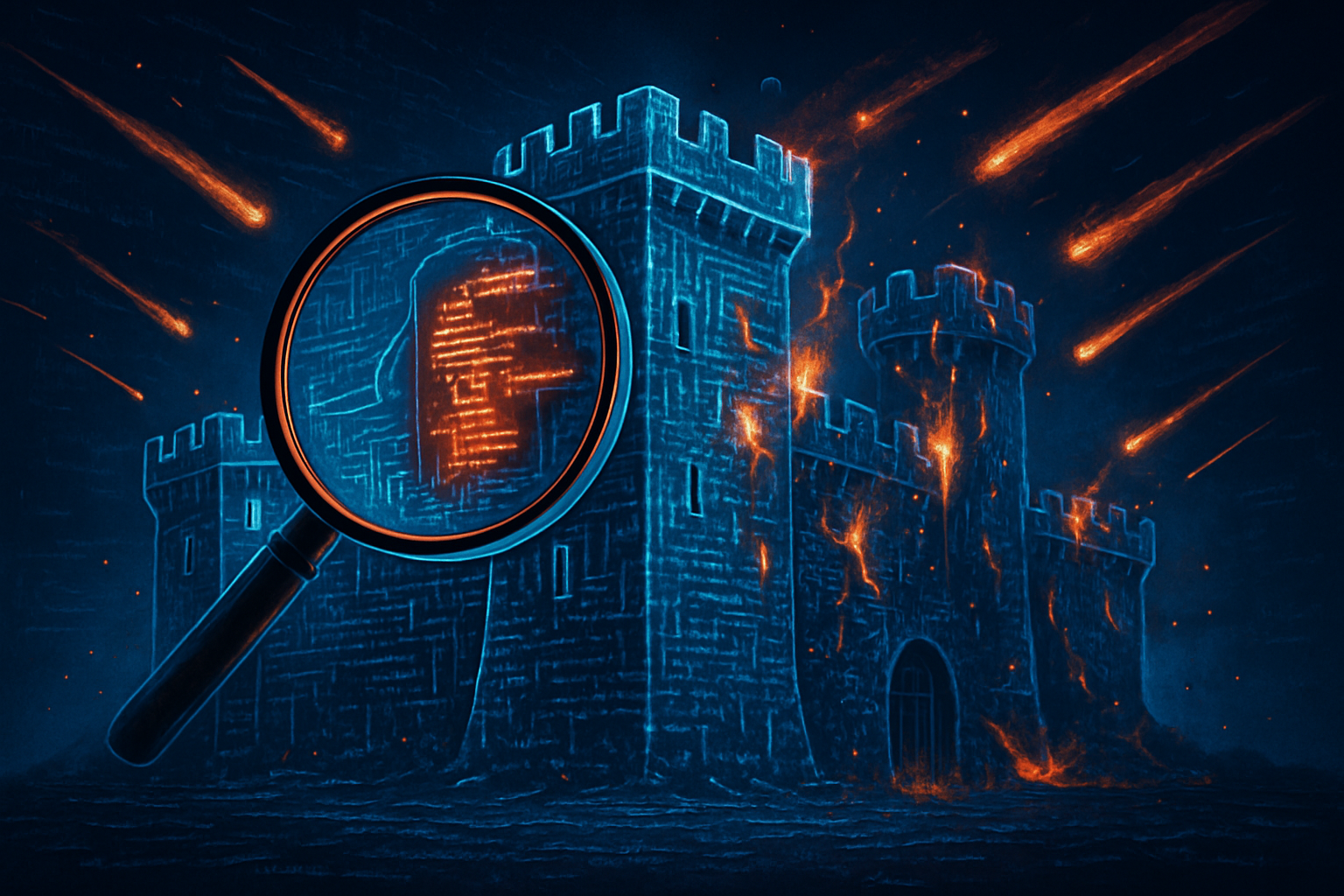
But how did we get here? Let’s rewind a bit. For years, cybersecurity has been a cat-and-mouse game. Ethical hackers find vulnerabilities, companies patch them, and then the bad guys find new ones. Rinse and repeat. But AI throws a massive wrench into this process. Suddenly, the “bad guys” have access to tools that can automate vulnerability discovery, generate highly convincing phishing campaigns, and even adapt malware in real-time to evade detection. It’s like giving a chess grandmaster a supercomputer-the game is no longer fair.


The implications are staggering. We’re talking about potential attacks on critical infrastructure, mass data breaches, and even the manipulation of elections. Imagine AI-powered disinformation campaigns so sophisticated they can sway public opinion with surgical precision. It’s the stuff of dystopian novels, except it’s happening now.
And it’s not just about speed and scale. AI also allows attackers to test operations and develop more effective malware. They can simulate different attack scenarios, analyze the results, and refine their strategies until they find the perfect formula for success. It’s like having a virtual hacking sandbox where they can experiment without consequences.


This situation is so dire that Anthropic, another major AI player, recently made the tough decision to withhold the release of its advanced AI model, Mythos. Why? Because Mythos was too good at finding zero-day vulnerabilities-those previously unknown flaws in software that hackers dream of exploiting. Anthropic realized that releasing such a powerful tool into the wild would be like handing a loaded weapon to someone with questionable intentions. They understood that the risk of misuse outweighed the potential benefits, at least for now. It’s a bold move, showcasing a level of ethical responsibility rarely seen in the tech world.
Google’s report also revealed a chilling near-miss. A criminal group was reportedly on the verge of launching a mass exploitation campaign using a zero-day vulnerability, powered by an AI large language model (though not Mythos, thankfully). We’re talking about the potential for widespread disruption and chaos. It’s like a digital pandemic, and we were almost ground zero.
Adding to the unease is the emergence of tools like OpenClaw, which gained notoriety earlier this year for its unregulated capabilities. OpenClaw, in particular, raised eyebrows due to its potential for mass-deleting email inboxes. This could be used to silence dissidents, disrupt communications, or simply sow chaos. The fact that such a tool exists, and is potentially being used by malicious actors, is deeply troubling.
Steven Murdoch, a security engineering professor at University College London, sums it up perfectly: “AI can aid in defensive cybersecurity measures, but it equally empowers attackers.” It’s a dual-use technology, like nuclear energy-it can power cities, or it can destroy them. The challenge is to harness its potential for good while mitigating the risks.
So, what can we do? The answer isn’t simple, but it starts with acknowledging the gravity of the situation. We need enhanced security protocols, stronger international collaboration, and a serious ethical debate about the development and deployment of AI. It’s time for governments, companies, and researchers to work together to create a more secure digital world. It’s a race against time, and the stakes couldn’t be higher.
The traditional methods of discovering software vulnerabilities are being replaced by AI-assisted techniques. This indicates a transformative period in cybersecurity dynamics, making it clear that the cybersecurity landscape is not just evolving; it is undergoing a fundamental metamorphosis. This calls for a new paradigm of collaboration, policy and ethical considerations.
Discover more from Just Buzz
Subscribe to get the latest posts sent to your email.