
May 9th, 2026. Mark it in your calendars, folks. It wasn’t just another Tuesday; it was the day Anthropic, the AI safety vanguard founded by ex-OpenAI masterminds Dario and Daniela Amodei, dropped a bombshell that could fundamentally reshape how we understand, and ultimately, trust, artificial intelligence. Forget flying cars; they’ve given us something far more valuable: the ability to (sort of) read an AI’s mind.
They unveiled Natural Language Autoencoders, a research tool designed to translate the inscrutable internal machinations of their Claude chatbot into plain, old human-readable text. Think of it as the Rosetta Stone for AI, a decoder ring to unlock the secrets hidden within the silicon brain. It’s a big deal, a “holy grail” moment for AI transparency, and frankly, it’s about time.
For years, we’ve been hurtling towards an AI-powered future, entrusting these complex algorithms with increasingly important decisions- from approving loans to diagnosing diseases. But here’s the rub: these AI systems, especially the Large Language Models (LLMs) that power chatbots like Claude, have been largely “black boxes.” We see the output, the answer, the decision, but we have almost no clue how they arrived at it. It’s like watching a magician pull a rabbit out of a hat- impressive, sure, but also deeply unsettling if that rabbit is deciding your insurance premiums.
This opacity has fueled a growing chorus of concerns. Are these AI systems biased? Are they making decisions based on flawed data? Are they susceptible to manipulation? Without a way to peer inside, to understand their reasoning, it’s impossible to answer these questions with any degree of certainty. It’s like trusting a toddler with a loaded weapon: you just don’t know what’s going to happen.
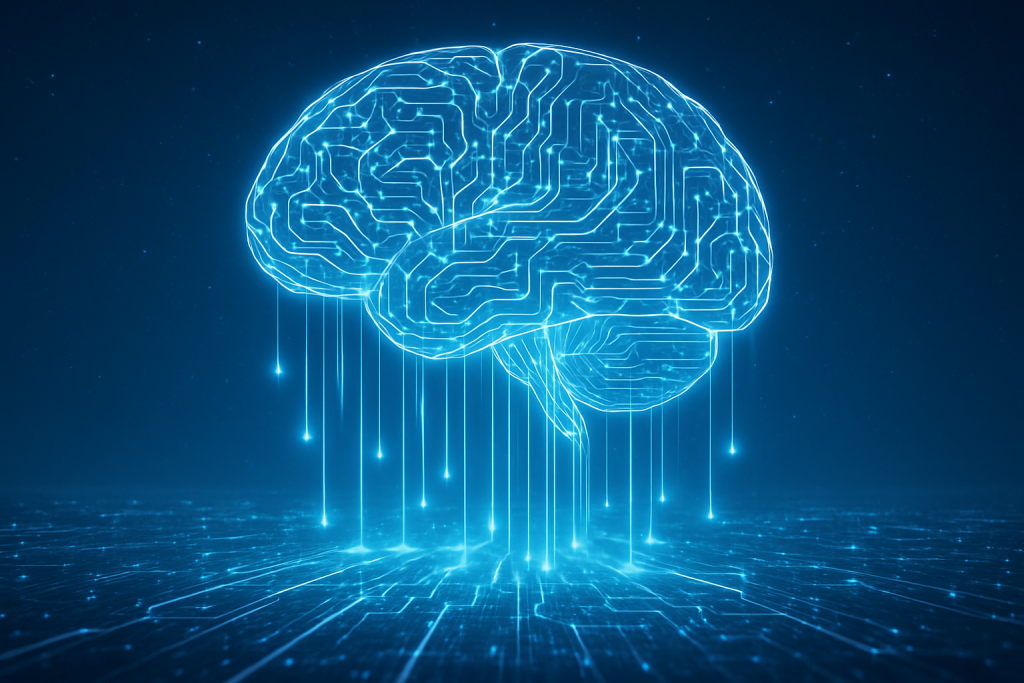
Enter Anthropic, stage left, with their Natural Language Autoencoders. This isn’t just another incremental improvement; it’s a paradigm shift. The tool analyzes Claude’s internal activations, the firing synapses of its digital brain, and translates them into coherent explanations we can actually understand. Imagine being able to see the chain of thought, the connections being made, the data being weighed, all laid out in plain English (or your preferred language, presumably). It’s like having a real-time transcript of Claude’s thought process.
How Does It Work? (Without Getting Too Nerdy)
Okay, let’s break down the tech without drowning in jargon. LLMs like Claude are built on neural networks, vast webs of interconnected nodes that process information. When you ask Claude a question, that question gets transformed into numbers, which then ripple through the network, activating different nodes along the way. The final output, Claude’s answer, is the result of this complex cascade of activations.
The Autoencoders act as interpreters, eavesdropping on these internal conversations. They analyze the patterns of activation and translate them into human-readable explanations. So, instead of just seeing that Claude answered “Paris” to the question “What is the capital of France?”, you might see an explanation like, “Claude identified the key phrase ‘capital of’ and then accessed its database of cities and countries, cross-referencing ‘France’ to find the corresponding capital.” It’s not perfect mind-reading, but it’s a giant leap closer.
The Implications: A World of Transparent AI
The potential impact of this technology is enormous. Think about the high-stakes fields where AI is already playing a significant role: healthcare, finance, law. In these areas, trust and accountability are paramount. Imagine a doctor using an AI to diagnose a patient. With Natural Language Autoencoders, the doctor could not only see the diagnosis but also understand the AI’s reasoning, ensuring that it’s based on sound medical principles and not, say, a biased dataset that disproportionately misdiagnoses certain demographics.
Similarly, in finance, the tool could help regulators understand why an AI denied someone a loan, ensuring that the decision wasn’t based on discriminatory factors. And in the legal field, it could shed light on how an AI-powered evidence analysis tool arrived at its conclusions, preventing miscarriages of justice. It’s about bringing AI out of the shadows and into the light, making it accountable and trustworthy.
The Ethical Minefield and the Road Ahead
Of course, this newfound transparency also raises some thorny ethical questions. What if we discover that Claude’s reasoning process is… less than logical? What if it relies on shortcuts or biases that we find unacceptable? Do we then try to “fix” it, potentially sacrificing its performance? And what about the potential for malicious actors to exploit this transparency, finding vulnerabilities in the AI’s reasoning that could be used to manipulate it?
These are questions we’ll need to grapple with as this technology matures. But the fact that we can even ask these questions, that we have a tool that allows us to peek behind the curtain, is a testament to Anthropic’s commitment to AI safety and transparency. This isn’t just about building more powerful AI; it’s about building AI that we can understand, trust, and ultimately, control. It’s like the difference between driving a car with a blacked-out windshield and driving one with a clear view of the road. Which one would you rather trust with your life?
The release of Natural Language Autoencoders isn’t just a tech demo; it’s a statement. It’s a declaration that the future of AI isn’t just about raw power, but about responsibility, accountability, and a commitment to aligning these powerful tools with human values. It’s a step towards a future where AI isn’t a mysterious black box, but a transparent and trustworthy partner. And that, my friends, is a future worth buzzing about.
Discover more from Just Buzz
Subscribe to get the latest posts sent to your email.