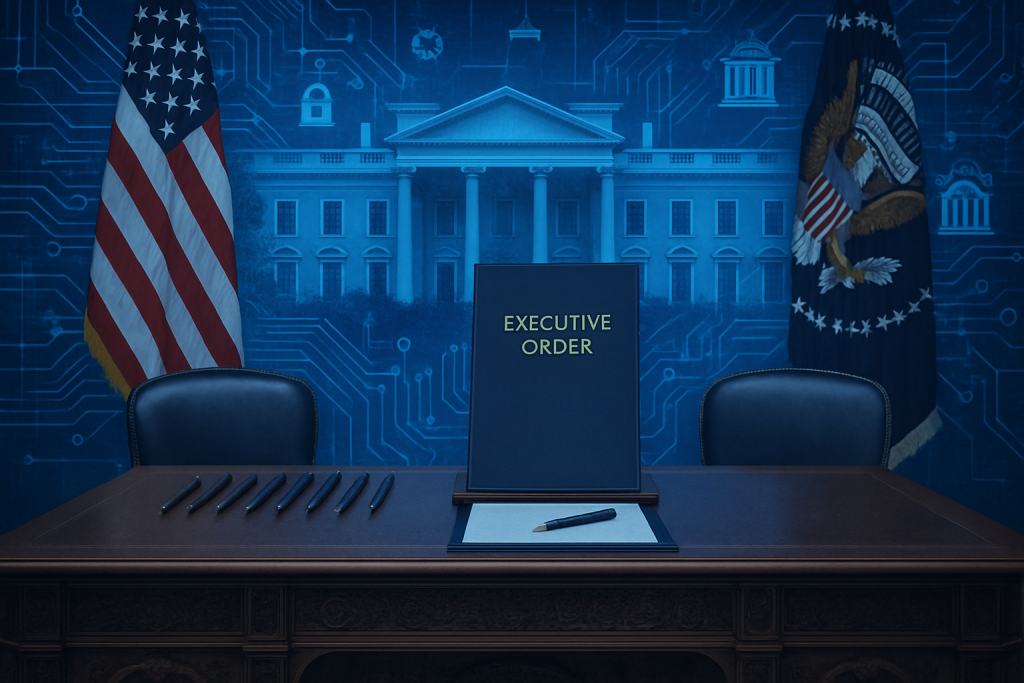
The year is 2026, and if you thought the AI revolution was just about chatbots writing bad poetry or generating slightly unsettling images of cats playing poker, think again. OpenAI just dropped a bombshell: “Daybreak,” their new, all-in-one cybersecurity platform. Forget the Matrix; this is about securing the digital world, one line of code at a time. And it’s a direct shot across the bow of Anthropic and their “Mythos” model, signaling that the AI wars aren’t just about who can write the best algorithm, but who can protect us from the bad ones.
Remember Skynet? Yeah, we all do. The fear of AI turning against us is a well-trodden trope, but the reality is far more nuanced. AI is already being used for nefarious purposes, crafting sophisticated phishing scams, and probing for vulnerabilities in our digital infrastructure. It’s like a digital arms race, and until now, humans have been largely on their own trying to keep pace. Daybreak changes that.
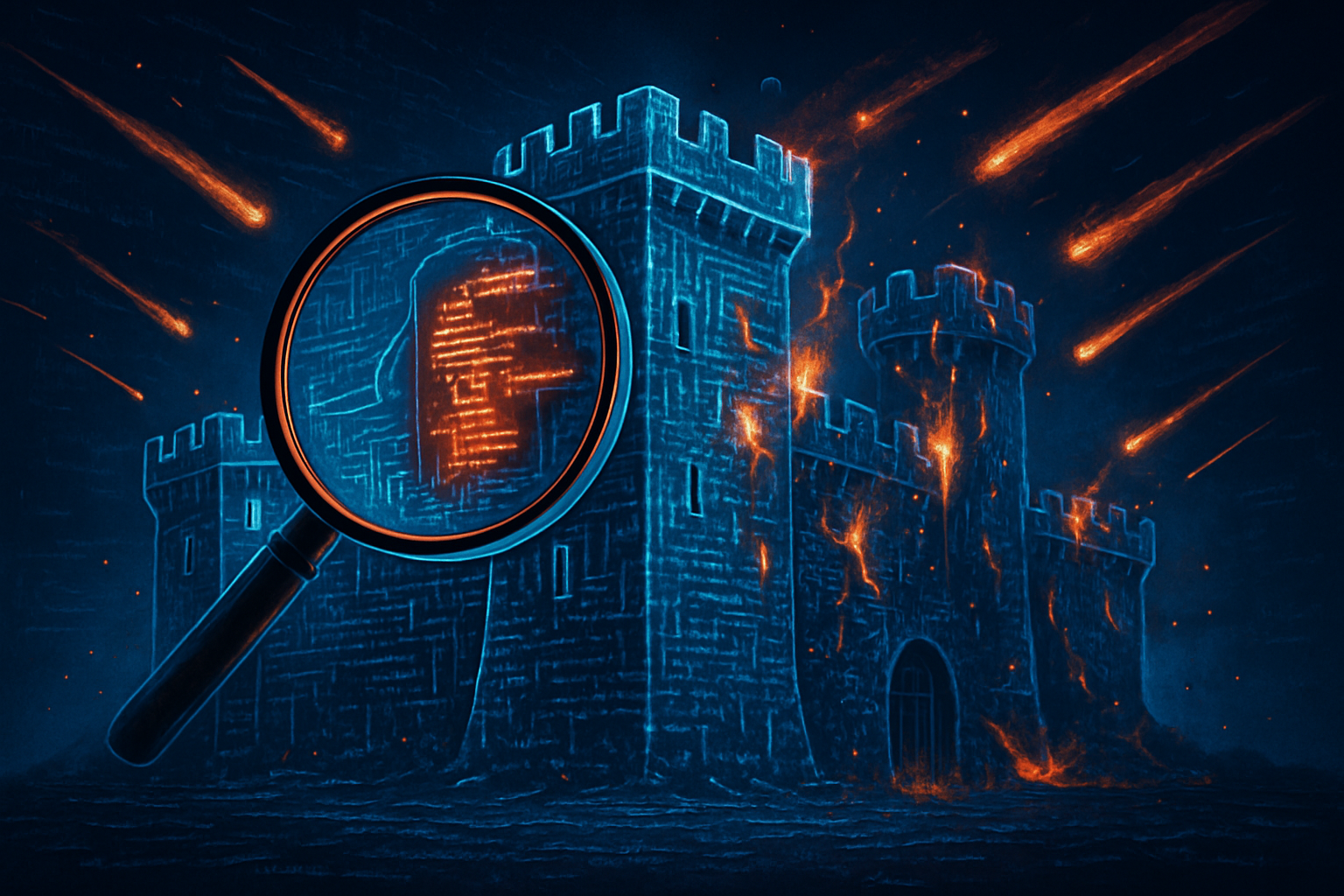
Daybreak isn’t just some fancy piece of software; it’s a comprehensive platform designed to automate vulnerability detection, patch validation, and, crucially, secure software development from the ground up. Think of it as a digital immune system, constantly scanning, analyzing, and adapting to new threats. It’s like having Tony Stark’s Jarvis, but instead of managing the Iron Man suit, it’s protecting your company’s data.
So, what makes Daybreak tick? At its core, it leverages OpenAI’s expertise in large language models (LLMs), but it’s not just about spitting out code. Daybreak incorporates “agentic capabilities,” which is a fancy way of saying it can act autonomously, learning and adapting as it goes. Imagine a bloodhound that not only sniffs out a scent but also figures out the best way to track the prey, even when the trail goes cold. That’s Daybreak in action.
Let’s break down those key features a little further. Automated Vulnerability Detection is like having a team of expert hackers constantly poking and prodding your systems, but without the malicious intent. Daybreak uses AI to identify potential security flaws before the bad guys do. This proactive approach is crucial in a world where vulnerabilities can be exploited in a matter of hours. Patch Validation is equally important. We’ve all been there: a software update promised to fix one problem but created ten more. Daybreak ensures that patches actually do what they’re supposed to do, without introducing new security holes. And finally, Secure Software Development is about building security into the software development lifecycle from the start. It’s like designing a house with reinforced walls and a state-of-the-art alarm system, rather than trying to bolt them on after the fact.
OpenAI CEO Sam Altman didn’t mince words when he unveiled Daybreak, emphasizing the urgency of adopting AI in cybersecurity. He stated, “AI is already good and about to get super good at cybersecurity; we’d like to start working with as many companies as possible now to help them continuously secure themselves.” This isn’t just about selling a product; it’s about acknowledging the reality that AI is a double-edged sword, and we need to use it to defend ourselves against itself.
But what are the implications of all this? For starters, it’s a game-changer for the cybersecurity industry. Companies that were struggling to keep up with the ever-evolving threat landscape now have a powerful new tool at their disposal. It also puts pressure on other AI companies to step up their game. Anthropic, with their “Mythos” model, is now facing serious competition. This is good news for consumers, as it will likely lead to more innovation and better security overall. Think of it like the cola wars, but instead of sugary drinks, we’re battling for digital safety.
Of course, there are also potential downsides. The concentration of power in the hands of a few AI companies raises concerns about bias, control, and the potential for misuse. What happens if Daybreak is used to stifle dissent or to target specific groups of people? These are ethical questions that we need to grapple with as AI becomes more pervasive in our lives. It’s a bit like the debate over nuclear power – immense potential for good, but also the risk of catastrophic consequences if things go wrong.
From a financial perspective, the launch of Daybreak is likely to have a significant impact on the cybersecurity market. Companies that adopt AI-driven security solutions are likely to gain a competitive advantage, while those that lag behind may struggle to survive. We could see a wave of mergers and acquisitions as companies try to acquire the AI expertise they need to stay relevant. The cybersecurity sector is already a multi-billion dollar industry, and the integration of AI is only going to accelerate its growth. Investment in AI-driven cybersecurity will skyrocket, and the companies that can deliver effective solutions will reap the rewards.
The rise of AI in cybersecurity also has broader societal implications. As our lives become increasingly digital, the need for robust security becomes more critical. From protecting our personal data to safeguarding critical infrastructure, AI has the potential to make a significant difference. However, we also need to be mindful of the potential risks and ensure that AI is used responsibly and ethically. It’s a balancing act, but one that we must get right if we want to build a secure and prosperous future.


Daybreak isn’t just about cybersecurity; it’s about the future of AI and its role in our world. It’s a reminder that AI is not just a technology; it’s a tool that can be used for good or for ill. It’s up to us to ensure that it’s used wisely. Just like Uncle Ben told Peter Parker, “With great power comes great responsibility.” And in the age of AI, that responsibility is greater than ever before.
Discover more from Just Buzz
Subscribe to get the latest posts sent to your email.