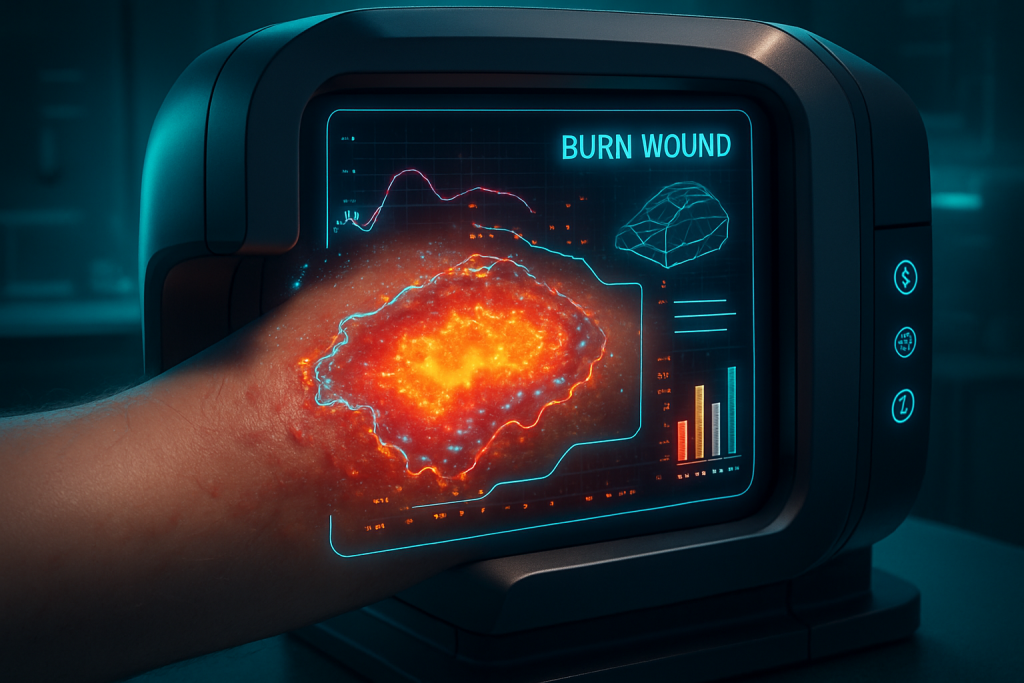
Remember that episode of Star Trek: Voyager where the Doctor, the Emergency Medical Hologram, could diagnose and treat almost anything with pinpoint accuracy? Well, while we aren’t quite at the point of holographic doctors (yet!), the future of AI-powered medicine took a giant leap forward on May 26, 2026. Spectral AI, Inc. just received FDA De Novo Classification for its DeepView® System, a groundbreaking AI designed to revolutionize burn care. This isn’t just another incremental improvement; it’s a potential paradigm shift in how we approach one of the most painful and challenging injuries imaginable.
Think about it: assessing burn wounds has always been a bit of an art mixed with science. Doctors rely on visual inspection, experience, and sometimes invasive procedures to determine the depth and severity of a burn. This subjectivity can lead to delays in treatment and, unfortunately, less-than-optimal outcomes for patients. We’re talking about the difference between skin grafts and natural healing, lengthy hospital stays versus quicker recoveries. The stakes are incredibly high.
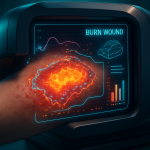
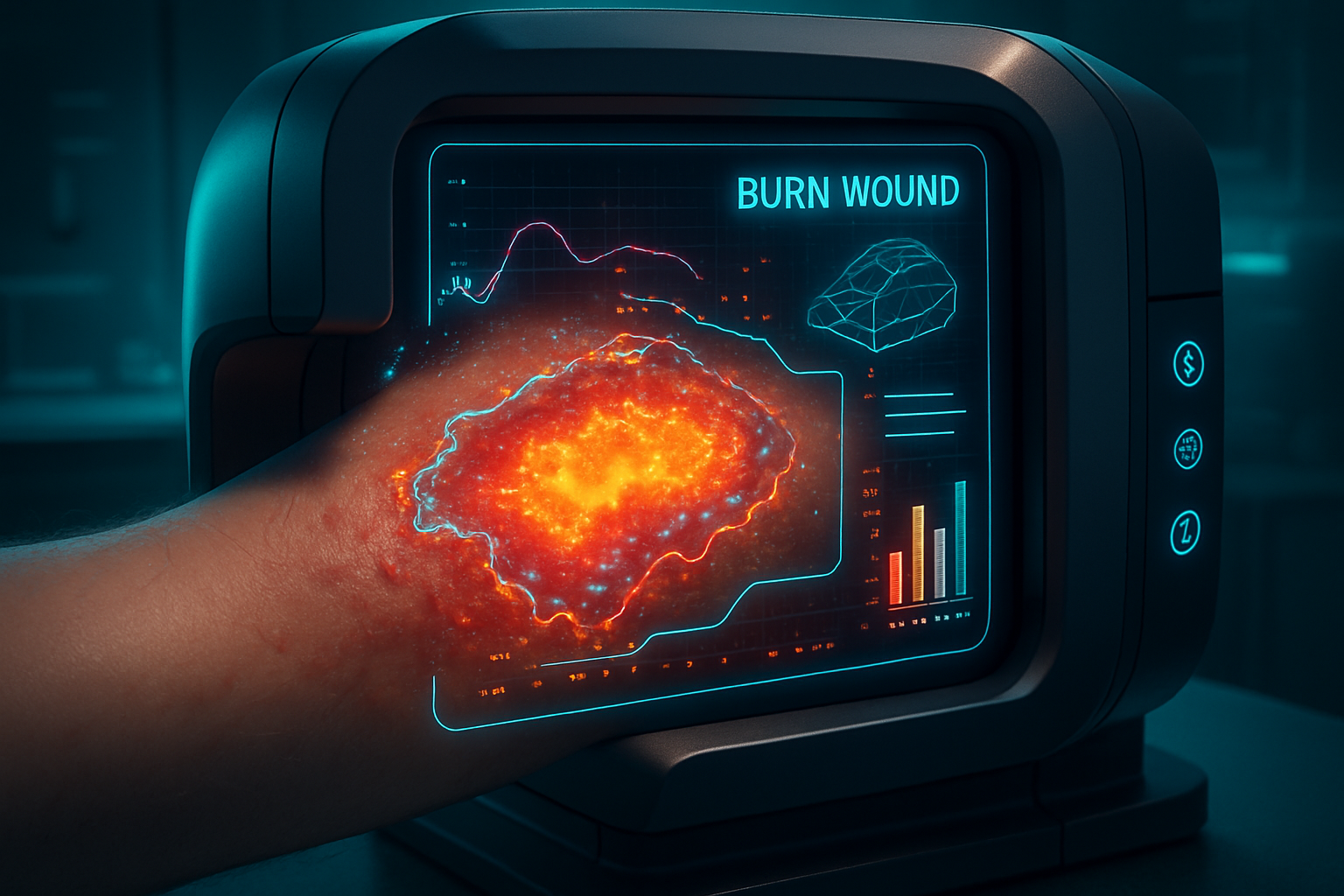
Enter DeepView. This AI isn’t just crunching numbers; it’s analyzing burn wounds with a level of precision previously unattainable. It’s like having a super-powered magnifying glass that can see beneath the surface, predicting healing potential from day one. Imagine the impact: doctors can make faster, more informed decisions, tailoring treatment plans to each patient’s specific needs. No more guesswork, no more agonizing waits. Just targeted, effective care.
What Exactly is De Novo Classification?
Now, you might be wondering, “What’s this ‘De Novo Classification’ all about?” In the world of medical devices, the FDA has different pathways for approval. If a new device is similar to something already on the market, it can go through a relatively straightforward process. But DeepView is different. It’s so novel, so innovative, that it doesn’t have a direct predecessor. That’s where De Novo comes in. It’s a special pathway for low-to-moderate risk devices that are truly first-of-their-kind. Getting this classification is a huge vote of confidence from the FDA, signaling that DeepView isn’t just promising; it’s safe and effective for its intended use.

The technical details are, of course, complex. DeepView likely uses a combination of advanced imaging techniques (think hyperspectral imaging, perhaps) and sophisticated machine learning algorithms. It’s trained on vast datasets of burn wounds, learning to identify patterns and predict outcomes with remarkable accuracy. It’s the AI equivalent of that doctor who’s seen everything, but with perfect recall and zero bias.
The Ripple Effect: Who Benefits?
The immediate beneficiaries are clear: burn victims. Faster, more accurate diagnoses mean quicker access to the right treatment, leading to improved healing, reduced scarring, and better overall quality of life. But the impact extends far beyond individual patients. Burn centers, trauma centers, and emergency departments will gain a powerful new tool, allowing them to streamline their workflows and allocate resources more efficiently. This could lead to significant cost savings for hospitals and the healthcare system as a whole.



And let’s not forget Spectral AI itself. This FDA clearance is a major validation of their technology and a huge boost for their business. Expect to see their stock price climb (if they’re publicly traded, that is), and other AI-driven medical diagnostic companies will be watching closely. This success story could pave the way for more AI innovations in healthcare, ushering in a new era of personalized and predictive medicine.

Ethical Considerations and the Future of AI in Medicine
Of course, with any groundbreaking technology, there are ethical considerations to address. Will access to DeepView be equitable? Will smaller hospitals and rural communities be able to afford it? And what about the potential for bias in the AI’s training data? If the data doesn’t accurately represent the diversity of the population, the AI could produce skewed or inaccurate results for certain groups. These are important questions that need to be addressed as AI becomes more prevalent in healthcare.
Looking ahead, the possibilities are endless. DeepView is just the beginning. Imagine AI systems that can diagnose cancer earlier, predict heart attacks before they happen, or even personalize drug dosages based on an individual’s genetic makeup. We’re on the cusp of a medical revolution, and AI is poised to play a central role. As Vincent Capone, CEO of Spectral AI, noted, this is about “bringing innovative predictive medical technology to market.” It’s a bold vision, and with innovations like DeepView, it’s starting to feel within reach. Maybe, just maybe, we’ll all have access to our own version of the Doctor someday.
Discover more from Just Buzz
Subscribe to get the latest posts sent to your email.