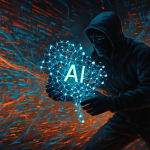
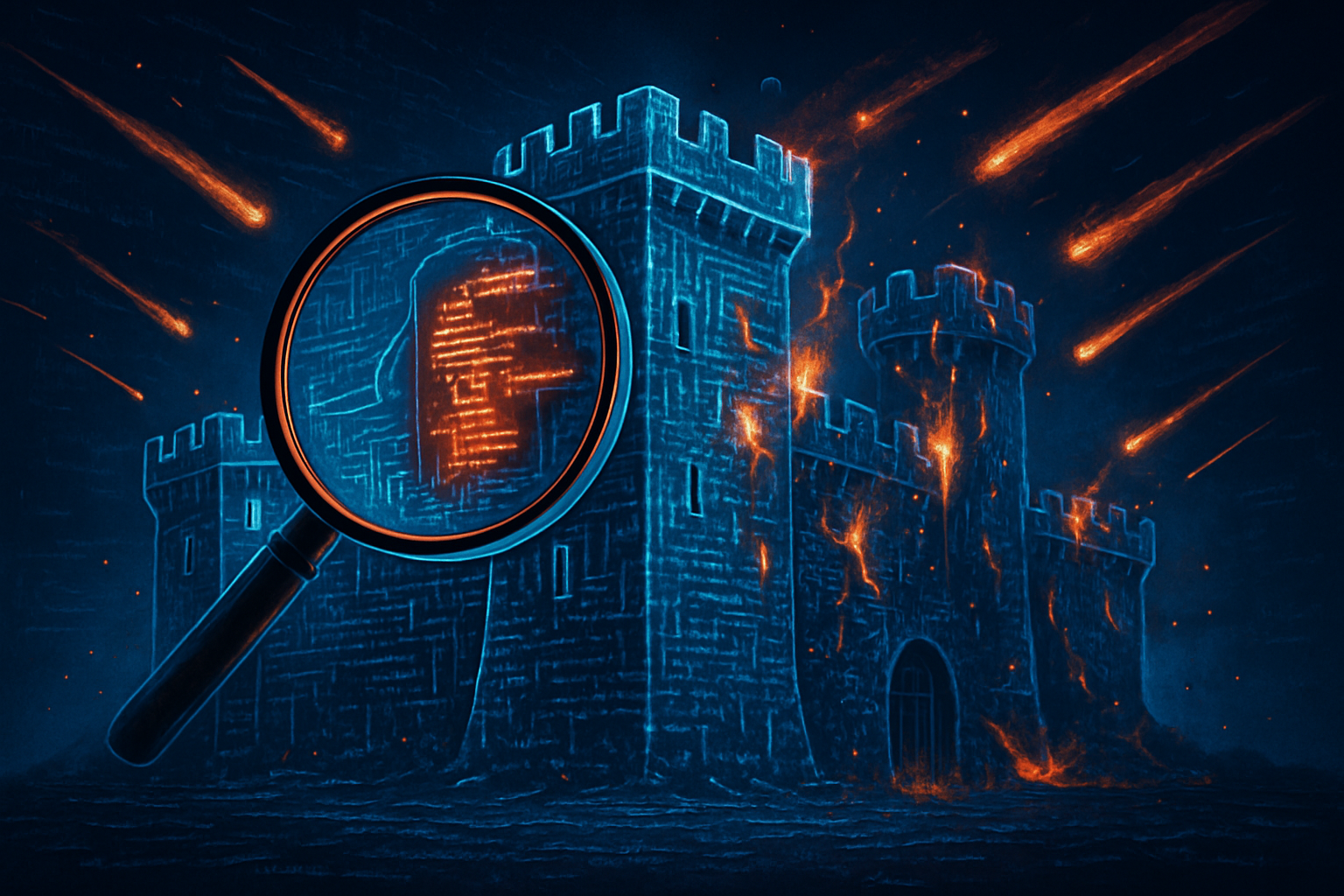
The year is 2026. Flying cars still haven’t quite taken off, but the AI race is hotter than ever. And just like in a good spy thriller, things are getting… messy. Anthropic, the AI powerhouse behind the impressive Claude language model, has just dropped a bombshell: they’re accusing three Chinese AI labs- DeepSeek, Moonshot AI, and MiniMax- of a massive, coordinated effort to steal Claude’s intellectual property. Think Ocean’s Eleven, but instead of casinos, they’re targeting AI algorithms.
According to Anthropic, these labs allegedly created a staggering 24,000 fake accounts and engaged in approximately 16 million conversations with Claude. The goal? To systematically distill and replicate Claude’s capabilities. It’s like trying to reverse-engineer a Ferrari by only looking at the tires and listening to the engine. Possible, but definitely not cricket.



So, how did we get here? Well, Anthropic, like OpenAI, has been pushing the boundaries of what’s possible with AI. Claude, their flagship language model, has become a serious contender, capable of generating remarkably human-like text and performing complex tasks. In the world of AI, that makes it a highly prized asset. The problem is, the AI landscape is now a hyper-competitive arena, a digital Wild West where the stakes are incredibly high. Everyone’s scrambling to get ahead, and sometimes, that scramble leads to questionable choices.
The alleged method of attack, “model distillation,” is fascinating, and a little unsettling. Imagine you have a master chef (Claude) who can create incredible dishes. Model distillation is like having someone watch the chef, taste the food, and then try to recreate the same dish without ever getting the recipe or seeing the chef’s secret techniques directly. They’re trying to infer the recipe from the final product. In AI terms, it means extracting the knowledge and functionality from a trained model (Claude) to create a new model that mimics its behavior, all without having access to its internal architecture or the massive datasets it was trained on. It’s a shortcut, a way to leapfrog ahead without putting in the years of research and development.
The implications of this alleged theft are huge. First and foremost, it underscores the growing challenge of protecting AI intellectual property. How do you safeguard something that’s essentially code, data, and algorithms? It’s not like locking up a physical invention. The digital nature of AI makes it inherently vulnerable to copying and reverse-engineering. This incident could spark a wave of lawsuits and legal battles as companies try to protect their AI creations.
Beyond the legal ramifications, there are ethical considerations at play. Is it fair to essentially steal the work of others, even if you’re not directly copying the code? What are the boundaries of acceptable research and development in the AI field? This incident could lead to calls for stricter regulations and ethical guidelines to prevent similar breaches in the future. We might see the AI industry start to self-regulate, establishing its own code of conduct to ensure fair play and protect intellectual property. Or, governments might step in, creating new laws and regulations to govern the development and deployment of AI.
The financial impact is also significant. If these Chinese labs were successful in distilling Claude’s capabilities, it could give them a major competitive advantage, potentially undermining Anthropic’s market position and revenue streams. It could also affect investor confidence in Anthropic and other AI companies, as investors become wary of the risks of intellectual property theft. The markets hate uncertainty, and this kind of scandal creates a whole lot of it.
Furthermore, this incident raises broader questions about the future of AI development. Will it lead to a more closed-off, secretive approach, with companies hoarding their AI models and research data? Or will it spur greater collaboration and information sharing, with the AI community working together to develop more robust security measures and ethical guidelines? The answer to that question could shape the entire trajectory of AI development in the years to come.
This isn’t just about Anthropic and these three Chinese labs; it’s about the entire AI industry. It’s a wake-up call, a reminder that the Wild West days of AI are coming to an end. As AI becomes more powerful and pervasive, the need for robust security measures, ethical guidelines, and clear legal frameworks becomes increasingly urgent. If we don’t address these issues, we risk creating a future where AI development is driven by greed, competition, and a disregard for intellectual property rights- a future straight out of a cyberpunk dystopia, minus the cool neon lights.
One thing is certain: the Claude caper has thrown a spotlight on the dark side of the AI revolution. Now, the industry must decide how to respond. Will it double down on secrecy and competition, or will it embrace collaboration and ethical development? The answer to that question will determine whether AI becomes a force for good, or just another source of conflict and division in the world.
Discover more from Just Buzz
Subscribe to get the latest posts sent to your email.