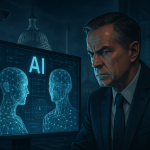
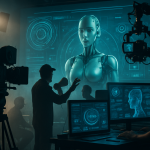
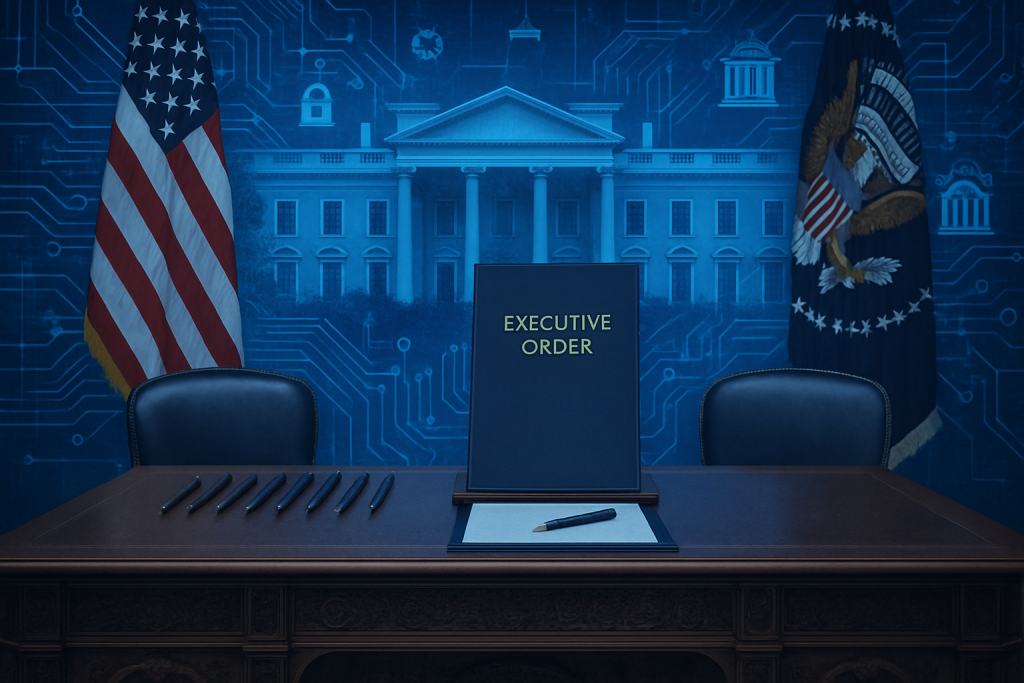
The year is 2026. Self-driving cars are (mostly) a reality. Your smart fridge orders oat milk before you even realize you’re out. And artificial intelligence, once the domain of science fiction, is now deeply woven into the fabric of our lives. But with this integration comes a nagging question: are we building a utopia or a dystopia? This is the central question explored in “The AI Doc: Or How I Became an Apocaloptimist,” which premiered in U.S. theaters on March 27th, courtesy of Focus Features.
Directed by Daniel Roher (known for his gripping work on “Navalny”) and Charlie Tyrell, “The AI Doc” isn’t your typical dry, academic treatise on algorithms and neural networks. Instead, it’s a deeply personal journey. Roher, preparing to become a father, grapples with the profound implications of AI for his child’s future. Imagine a modern-day version of “Frankenstein,” but instead of a monster cobbled together from body parts, we have algorithms learning and evolving at an exponential rate.
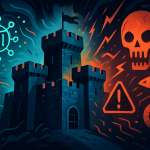
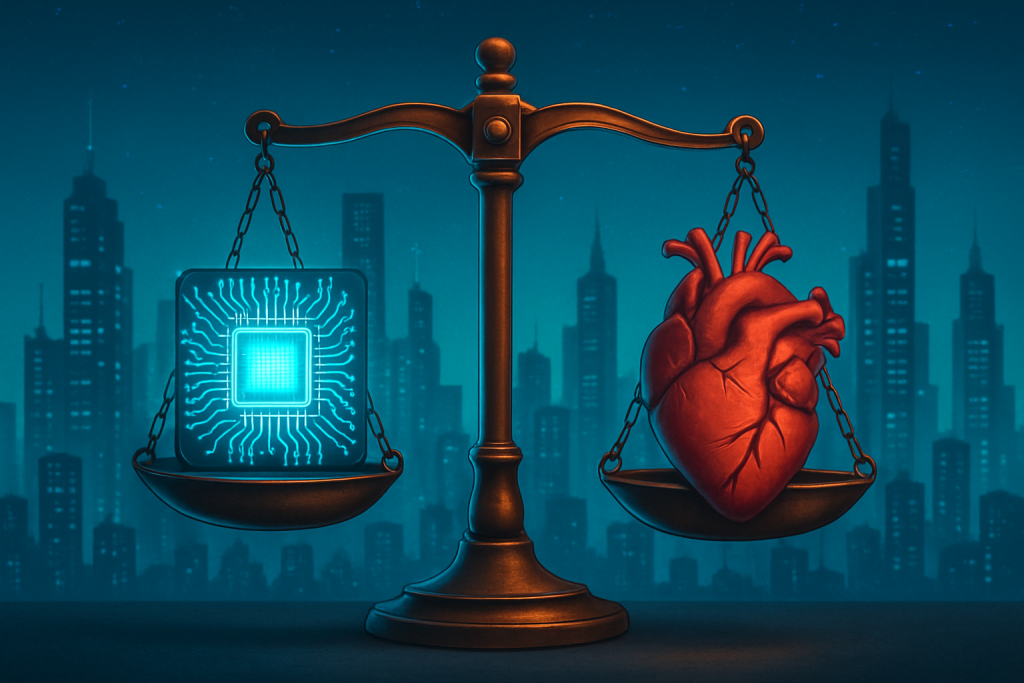
The film’s title, “Apocaloptimist,” perfectly encapsulates this dualistic anxiety. It’s the feeling that we’re on the cusp of either a technological renaissance or a robot-led apocalypse, and perhaps both simultaneously. Think of it like Schrödinger’s Cat, but instead of being both dead and alive, the future is both brilliant and terrifying.
The journey to the screen was paved with success. “The AI Doc” debuted at the Sundance Film Festival on January 27th, earning critical acclaim in the “Premieres” section. The film’s pedigree is impressive, bringing together Roher’s collaborators Shane Boris and Diane Becker with the minds behind the wildly inventive “Everything Everywhere All at Once,” Daniel Kwan and Jonathan Wang. This isn’t just a documentary; it’s a cinematic event with a clear vision.
Back in October 2024, Focus Features, under the Universal Pictures umbrella, recognized the film’s potential and snapped up worldwide rights. This move signaled a significant investment in a film that tackles complex and potentially unsettling questions about AI’s role in society. It’s a bold move, akin to releasing “The Matrix” in a world just discovering dial-up internet. It asks us to confront the future before it fully arrives.
The film’s impact has been immediate. It has triggered widespread debate about the ethical and societal implications of AI. Critics are praising its balanced approach, offering both the anxieties and the potential benefits of AI advancement. It’s a reminder that technology isn’t inherently good or bad; it’s a tool, and like any tool, it can be used to build or destroy.

But what are the specific technical details that fuel this apocaloptimism? The film likely delves into the rapid advancements in areas like machine learning, natural language processing, and computer vision. We’re talking about AI systems that can write convincingly, generate realistic images, and even hold conversations. The rise of Large Language Models (LLMs), for example, has been meteoric. These models, trained on massive datasets, can perform tasks that were once thought to be the exclusive domain of human intelligence. But with this power comes responsibility, and the film undoubtedly explores the potential for misuse and unintended consequences.
Consider the implications for the job market. As AI becomes more capable, it will likely automate many tasks currently performed by humans. This could lead to widespread job displacement, requiring us to rethink our approach to education, training, and social safety nets. On the other hand, AI could also create new jobs and industries, driving economic growth and innovation. It’s a double-edged sword, as sharp and potentially dangerous as a lightsaber in the wrong hands.
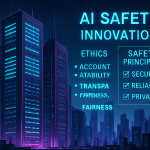
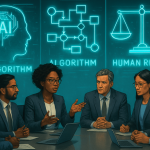
Then there are the ethical considerations. How do we ensure that AI systems are fair, unbiased, and transparent? How do we prevent them from being used to discriminate or manipulate us? These are complex questions with no easy answers. The film likely explores these issues through interviews with leading AI ethicists and researchers, offering different perspectives and potential solutions.
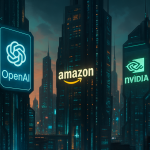
Companies like Google, Microsoft, and OpenAI are at the forefront of AI development. Their decisions will have a profound impact on the future of this technology. The film may examine their strategies, motivations, and potential conflicts of interest. After all, these companies are not just building AI; they’re shaping the future. The financial implications are also huge, with billions of dollars being invested in AI research and development. The companies that succeed in this space will likely become the dominant players in the global economy.
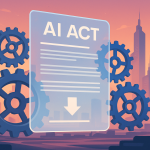
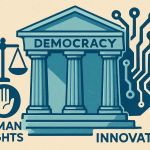
The release of “The AI Doc” comes at a crucial time. Governments around the world are grappling with how to regulate AI. The European Union, for example, is working on a comprehensive AI Act that would set strict rules for the development and deployment of AI systems. The United States is also considering new regulations, but the approach is less clear. The film could play a significant role in shaping this debate, informing policymakers and the public about the potential risks and benefits of AI.
Ultimately, “The AI Doc” is a film about hope and fear. It’s a film that asks us to confront our anxieties about the future while also recognizing the incredible potential of AI to improve our lives. It’s a reminder that we are not passive observers in this technological revolution; we are active participants. The choices we make today will determine the future we inherit. And hopefully, that future will be one worth leaving to our children.
Discover more from Just Buzz
Subscribe to get the latest posts sent to your email.