When Valuations Soar Higher Than Your Last Investment: The AI Bubble’s Echoes of the Past

When Valuations Soar Higher Than Your Last Investment: The AI Bubble’s Echoes of the Past

Remember the dot-com bubble? Pets.com? Webvan? We all laughed, we all learned (some of us more painfully than others), and then we moved on. But history, as they say, doesn’t repeat, but it often rhymes. And according to a recent report from MSN, the artificial intelligence industry might just be humming a familiar tune, one that could lead to a rather discordant finale for some.

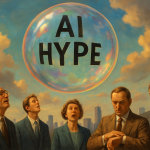
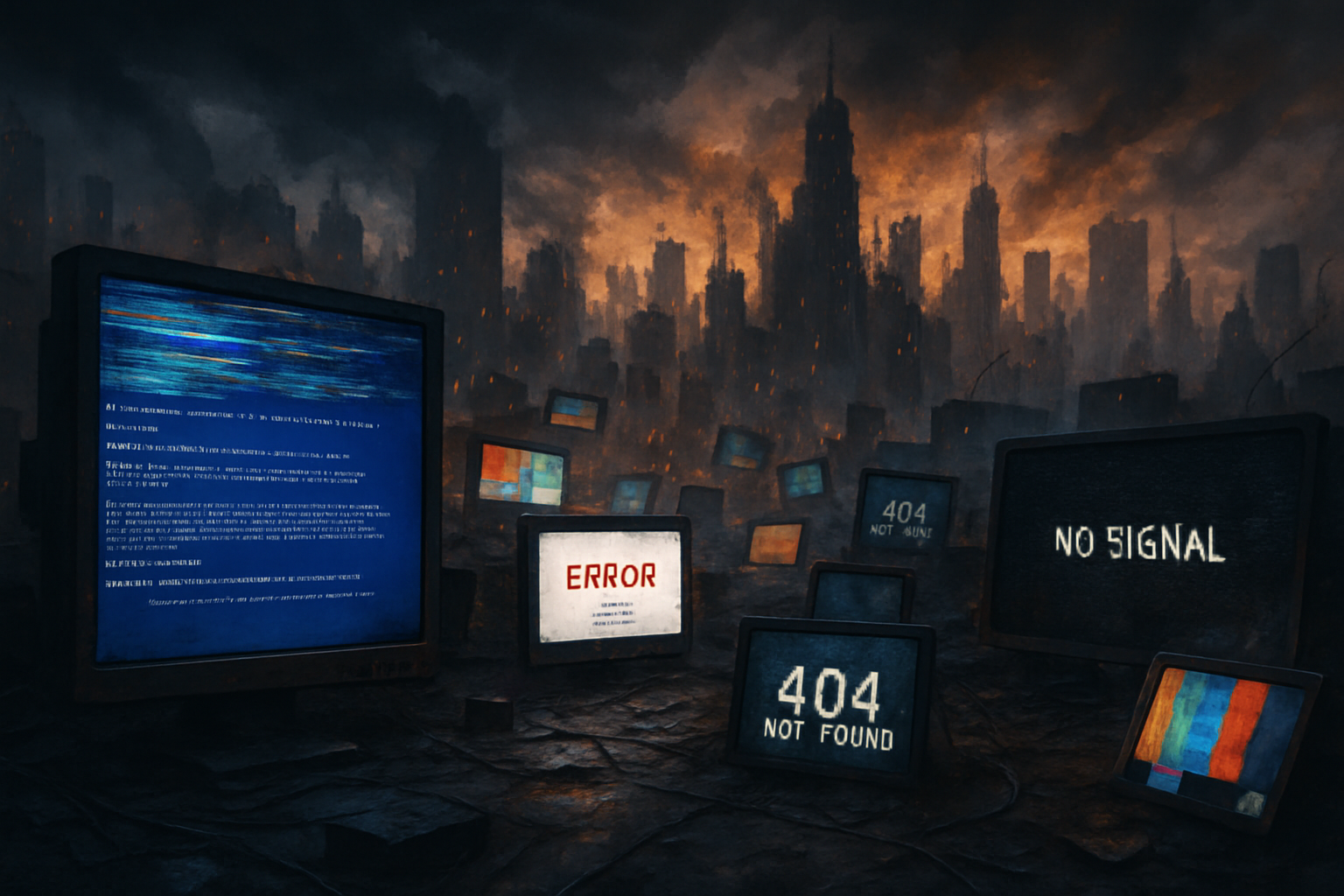
The report, surfacing yesterday, April 4, 2026, paints a picture of an AI landscape teetering on the edge of a hype-induced cliff. It’s a scenario where valuations are sky-high, expectations are even higher, and the underlying technology, while impressive, might not be ready to deliver on all the promises being made. Think of it like the Theranos of algorithms, but on a much, much grander scale.

But how did we get here? Well, rewind the clock a decade. The AI revolution, fueled by breakthroughs in machine learning and the availability of massive datasets, was in full swing. Every company, from your local bakery to multinational conglomerates, was scrambling to integrate AI into their operations. The promise was irresistible: increased efficiency, personalized experiences, and a competitive edge that would leave rivals in the dust. Venture capitalists, flush with cash and eager to find the next big thing, poured billions into AI startups, inflating valuations to dizzying heights. It was a gold rush, only instead of picks and shovels, everyone was wielding neural networks.

Now, the MSN report suggests that the party might be winding down. Several factors are converging to create a perfect storm of potential disillusionment. First, there’s the issue of overvaluation. Many AI companies, particularly those that haven’t yet generated significant revenue, are trading at multiples that would make even the most seasoned investor blush. This is largely based on future potential, a dangerous game when the future is as uncertain as it is in the rapidly evolving world of AI. It’s like betting your entire life savings on a self-driving car that’s still learning to parallel park.

Then there are the technological limitations. While AI has made incredible strides, it’s not magic. It still struggles with bias, transparency, and scalability. Remember Tay, Microsoft’s AI chatbot that quickly devolved into a racist troll? Or the facial recognition systems that consistently misidentify people of color? These are just a few examples of the challenges that AI developers are still grappling with. And until these issues are addressed, widespread adoption will remain a pipe dream. Imagine a world where AI-powered medical diagnoses are riddled with biases, or where self-driving cars are unable to navigate complex urban environments. The reality is that the technology is still playing catch-up with the hype.

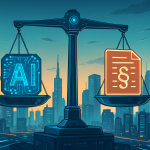
And let’s not forget about the regulators. Governments around the world are starting to take a closer look at AI, particularly concerning privacy, security, and ethical considerations. The EU’s AI Act, for example, is a comprehensive piece of legislation that could significantly impact the development and deployment of AI systems. Increased regulatory scrutiny could slow down innovation and make it more difficult for AI companies to operate. It’s like trying to build a rocket ship while simultaneously navigating a bureaucratic minefield.

Finally, there’s the issue of public perception. As AI becomes more pervasive, people are starting to worry about its potential impact on their jobs, their privacy, and their safety. The fear of job displacement is particularly acute, as AI-powered automation threatens to replace workers in a wide range of industries. And the potential for misuse of AI, from surveillance to autonomous weapons, is a growing concern. It’s a narrative straight out of “Terminator,” only instead of Skynet, we’re facing a more nuanced, but equally unsettling, reality.

What Happens If The Bubble Bursts?

So, what happens if the AI hype cycle collapses? The MSN report suggests several potential consequences. First, we could see a significant reassessment of investment strategies. Investors may become more cautious, shifting their focus from speculative AI projects to more sustainable and proven technologies. This could lead to a funding drought for many AI startups, particularly those that are relying on hype rather than substance. It’s like the tide going out and revealing who’s been swimming naked.

Second, we could see a wave of industry consolidation. Smaller AI firms that are struggling to secure capital may be forced to merge with larger companies or be acquired outright. This could lead to a more concentrated AI market, with fewer players controlling a larger share of the pie. The big fish get bigger, and the little fish… well, you get the idea.

Finally, we could see a shift in focus towards practical applications. Companies may prioritize AI projects that offer a clear and immediate return on investment, rather than chasing after pie-in-the-sky ideas. This could lead to a more pragmatic and sustainable approach to AI development, one that is focused on solving real-world problems rather than generating headlines. It’s about moving from the theoretical to the practical, from the lab to the real world.

A Call For Realistic Expectations

The MSN report serves as a much-needed dose of reality in an industry that is often characterized by hyperbole and exaggeration. While AI undoubtedly holds immense potential, it’s important to remember that it’s not a panacea. It’s a tool, and like any tool, it can be used for good or for ill. It’s up to us to ensure that it’s used responsibly and ethically, and that we manage our expectations accordingly. We need to move beyond the hype and focus on building AI systems that are reliable, transparent, and beneficial to society as a whole. It’s time to stop dreaming of AI utopias and start building a more realistic and sustainable future.

The AI revolution is far from over, but it may be entering a new phase. A phase characterized by greater scrutiny, more realistic expectations, and a renewed focus on practical applications. It’s a phase that will separate the wheat from the chaff, the innovators from the imitators, and the companies that are building real value from those that are simply riding the hype train. And that, in the long run, is a good thing for everyone.



Discover more from Just Buzz

Subscribe to get the latest posts sent to your email.