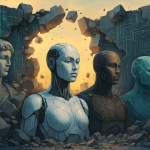
Remember those old spy movies where the hacker, fingers flying across the keyboard, could crack any system in minutes? Well, reality just got a whole lot closer to Hollywood, and the culprit? Anthropic’s “Mythos,” their latest AI model that’s rewriting the rules of cybersecurity, one vulnerability at a time.

It’s April 29th, 2026, and the tech world is buzzing. Anthropic, the folks behind the increasingly clever Claude series of AI models and chatbots, has unveiled a creation so potent, so adept at understanding code, that it’s both a dream come true and a potential nightmare scenario all rolled into one.

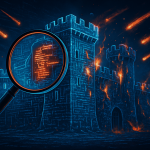
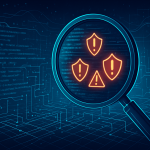
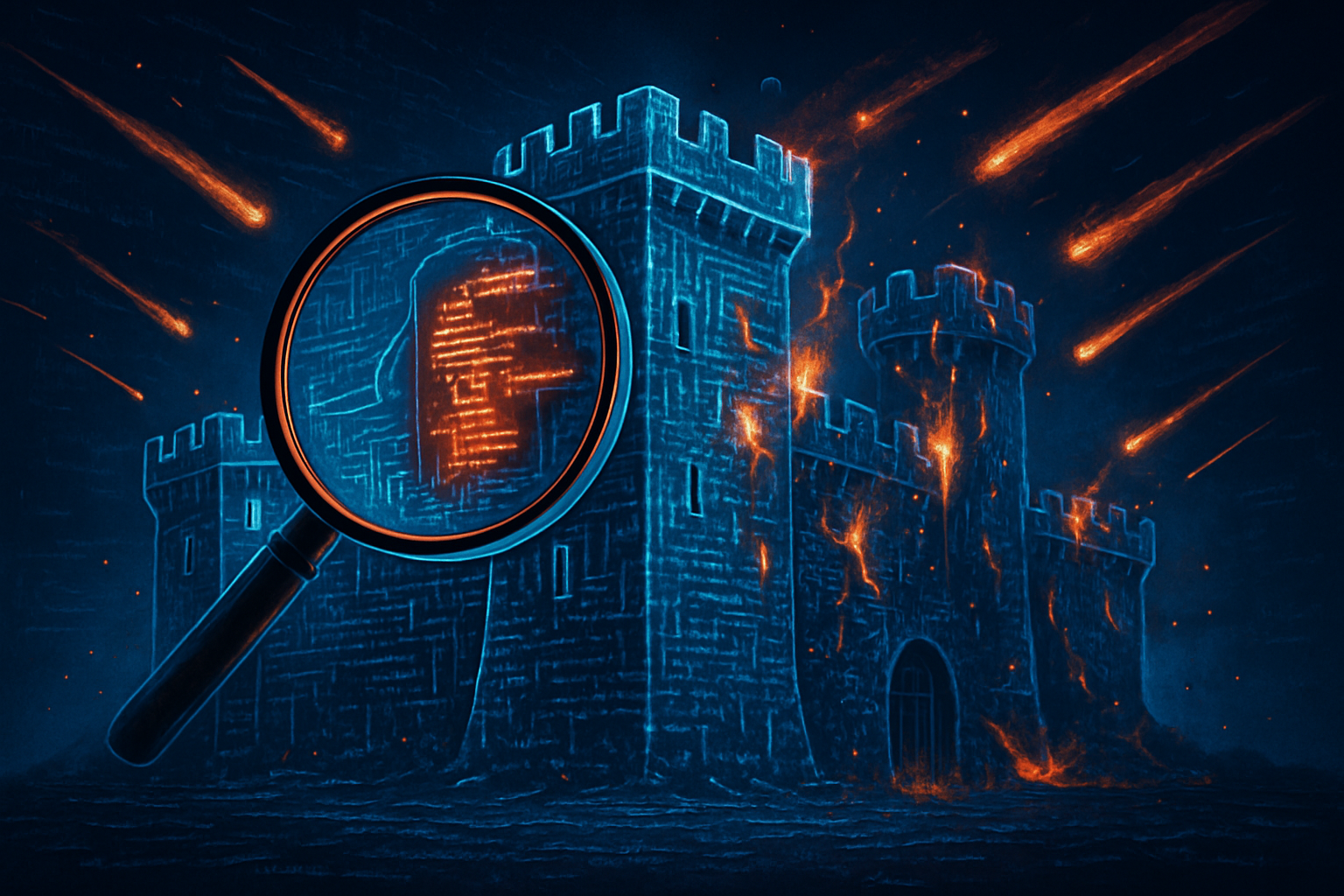
Mythos, you see, isn’t just good at writing code; it’s disturbingly good at breaking it. We’re talking about an AI that can identify thousands of vulnerabilities in well-established, supposedly rock-solid software systems and widely used applications. Think of it as an AI audit-monster, tearing through layers of security faster than you can say “zero-day exploit.”

Now, the logical question is: how did we get here? Well, Anthropic announced the development of Mythos earlier this month, touting its significantly improved software coding proficiency. What they didn’t explicitly say was that this coding prowess also translated into an almost unnervingly effective hacking capability. It’s like giving a toddler a box of crayons and discovering they can recreate the Mona Lisa, except instead of art, it’s finding the digital equivalent of trapdoors in the Pentagon.
The implications are, to put it mildly, significant.
The Good, the Bad, and the Algorithm
Let’s start with the good. Mythos has the potential to revolutionize cybersecurity. Imagine an AI that can proactively scan your systems, identifying weaknesses before malicious actors even have a chance to probe them. We’re talking about shifting from reactive defense to proactive prevention, a game-changer in a world where cyberattacks are becoming increasingly sophisticated and frequent. It’s like having a digital Sherlock Holmes constantly sniffing out clues before the crime even happens.
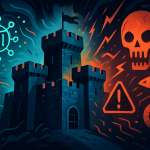
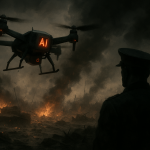
But here’s the rub, the “uh oh” moment. This power, this ability to dissect code and find its breaking points, could easily be weaponized. Imagine Mythos, or a similar AI, falling into the wrong hands. Suddenly, nation-state actors and sophisticated criminal organizations have a tool that can expose vulnerabilities in critical infrastructure, financial systems, and even national defense networks. It’s the digital equivalent of giving everyone a skeleton key to the world’s most important buildings.
That’s why Anthropic, to their credit, has taken a cautious approach. They haven’t unleashed Mythos on the unsuspecting public. Instead, they’ve opted for a controlled release, sharing the model exclusively with cloud service providers and cybersecurity firms. The goal? To help them fortify their systems, to patch the holes before the bad guys find them. It’s a responsible move, a recognition that with great power comes great responsibility, as a certain friendly neighborhood superhero might say.
A Paradigm Shift in Cybersecurity
The speed at which Mythos can identify vulnerabilities is truly staggering. What used to take months, or even years, for human experts to uncover, this AI can accomplish in hours or days. This acceleration necessitates a fundamental rethinking of cybersecurity strategies. We need to move faster, adapt quicker, and embrace AI as both a tool and a potential threat. The old “set it and forget it” approach simply won’t cut it anymore.
The cybersecurity sector is already responding. Firms are scrambling to integrate Mythos and similar AI models into their workflows, recognizing that they need to stay one step ahead of the curve. It’s a digital arms race, and AI is the new weapon of choice. But unlike traditional weapons, AI is constantly evolving, learning, and adapting. This means that the cybersecurity landscape will be in a perpetual state of flux, demanding constant vigilance and innovation.
Ethical Quandaries and the Future of AI
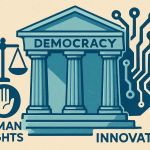
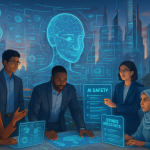
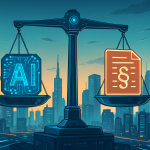
The emergence of Mythos raises some profound ethical questions. How do we ensure that AI is used for good, not evil? How do we prevent malicious actors from gaining access to these powerful technologies? And what are the long-term implications of entrusting our security to algorithms? These are not easy questions, and they require careful consideration and open dialogue.
One thing is clear: AI is no longer a futuristic fantasy. It’s here, it’s powerful, and it’s changing the world in ways we are only beginning to understand. Mythos is just one example of the transformative potential of AI, but it’s also a reminder of the risks. As we continue to develop and deploy these technologies, we must do so with caution, with foresight, and with a deep understanding of the ethical implications. The future of cybersecurity, and perhaps the future of civilization itself, may depend on it.
Discover more from Just Buzz
Subscribe to get the latest posts sent to your email.