Remember Clippy, the paperclip assistant from Microsoft Office? Back in the late 90s, he was supposed to be the future of AI, offering helpful tips and making our lives easier. Instead, he became a symbol of AI’s early awkwardness and a reason why many of us approached new tech with a healthy dose of skepticism. Fast forward to 2026, and AI is no longer a quirky sidekick; it’s woven into the fabric of our lives, from the algorithms that curate our news feeds to the medical diagnoses powered by machine learning. But with this increased integration comes a critical question: how do we ensure our data is safe and our privacy protected in this AI-driven world?
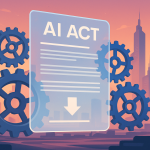
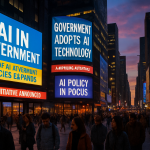
Ontario, Canada, just took a major step toward answering that question. On March 13th, the provincial government unveiled significant updates to its cyber security, privacy, and access framework. Think of it as a digital shield upgrade, designed to protect citizens in an era where data is the new gold and AI is the increasingly sophisticated prospector.
But why now? What sparked this digital transformation in the Great White North? The answer lies in the rapid evolution of technology and the growing recognition that Ontario’s existing laws, some dating back nearly four decades, were simply not equipped to handle the challenges of the 21st century. The rise of AI, with its insatiable appetite for data, has only amplified these concerns, highlighting the need for robust regulations to prevent data misuse and breaches. It’s like realizing the drawbridge on your castle was designed for horse-drawn carriages, not tanks.
The implications of this announcement are far-reaching, impacting everything from how government agencies handle sensitive data to the development and deployment of AI technologies across the province. Let’s break down the key components of this digital revamp.

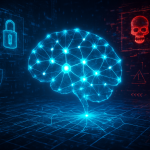
First, the updated framework introduces stricter cyber security protocols for the broader public service. This isn’t just about installing a better firewall; it’s a comprehensive approach to protecting sensitive data from unauthorized access and cyber threats. Imagine a network of interconnected government agencies, each handling vast amounts of personal information. This upgrade ensures that these agencies can securely implement AI technologies without inadvertently creating vulnerabilities that could be exploited by malicious actors. It’s like upgrading from a bicycle lock to a state-of-the-art security system for Fort Knox.


Second, the reforms include revisions to Freedom of Information (FOI) processes, aiming to streamline access to public information while maintaining transparency. This is where things get a little more nuanced. While the stated goal is to make it easier for citizens to access information, the changes also exclude cabinet ministers and their offices from FOI requirements, aligning Ontario’s approach with that of other Canadian jurisdictions. This move has sparked some debate, with critics arguing that it could reduce transparency and accountability. It’s a reminder that even well-intentioned reforms can have unintended consequences, a lesson straight out of the playbook of political dramas like “House of Cards.”
Perhaps the most crucial aspect of the announcement is the focus on children’s information. Recognizing the vulnerability of minors in the digital age, the new framework places a strong emphasis on safeguarding children’s data. This includes implementing robust protections against unauthorized collection and use of minors’ personal information, particularly in AI-driven applications. This is a welcome development, especially given the increasing prevalence of AI-powered toys and educational tools that collect data on children. Think of it as a digital guardian angel, protecting our kids from the potential harms of a data-hungry world.
But what does all this mean for the future of AI in Ontario? By modernizing its privacy and data protection laws, the province is creating a more secure and trustworthy environment for the development and deployment of AI technologies. These updates are expected to foster public trust in AI applications, as they ensure that personal data is handled responsibly and ethically. Furthermore, aligning with national standards facilitates collaboration and innovation across provinces, positioning Ontario as a leader in responsible AI governance. It’s about building a foundation of trust, ensuring that AI is developed and used in a way that benefits society as a whole.
The financial and economic impact of these changes is also worth considering. While the initial investment in upgrading cyber security infrastructure and implementing new privacy protocols will undoubtedly be significant, the long-term benefits could outweigh the costs. A secure and trustworthy digital environment can attract investment in AI development, creating new jobs and driving economic growth. Conversely, a failure to protect data could lead to costly breaches, reputational damage, and a loss of public trust.
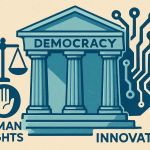
From a philosophical standpoint, Ontario’s updated framework raises deeper questions about the role of government in regulating technology. How do we balance the need to protect privacy with the desire to foster innovation? How do we ensure that AI is used for good, rather than for nefarious purposes? These are complex questions with no easy answers, but Ontario’s proactive approach is a step in the right direction.
In the end, Ontario’s decision to update its cyber security, privacy, and access framework is more than just a technical upgrade; it’s a statement of values. It’s a recognition that in the digital age, data is power, and that power must be wielded responsibly. As AI continues to evolve and shape our world, it’s crucial that we have the right safeguards in place to protect our privacy, our security, and our fundamental rights. Who knows, maybe Clippy would have been less annoying if he’d operated under these guidelines. Probably not, but it’s nice to dream.
Discover more from Just Buzz
Subscribe to get the latest posts sent to your email.