When Code Meets Geopolitics: The Rise of DeepSeek’s V4

When Code Meets Geopolitics: The Rise of DeepSeek’s V4

The AI arms race just got a whole lot more interesting. Forget your friendly neighborhood chatbot; we’re talking geopolitical chess pieces, lines in the sand, and a potential shift in the balance of AI power. The U.S.-China Economic and Security Review Commission dropped a bombshell: DeepSeek, a Chinese AI powerhouse, is about to unleash its V4 model, and whispers are it’s ready to not just play in the same league as OpenAI’s ChatGPT and Anthropic’s Claude, but potentially leave them eating its dust.

Remember when everyone was obsessed with AlphaGo beating Lee Sedol at Go? That was a pivotal moment, signaling China’s serious intent in the AI arena. DeepSeek’s V4 feels like the next level, a concrete manifestation of that ambition. It’s not just about bragging rights; it’s about economic dominance, technological independence, and shaping the future narrative.

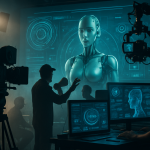
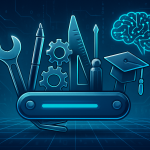
So, what’s the big deal with V4? Think of it as the Swiss Army knife of AI. While previous DeepSeek models were largely text-based, V4 is going multimodal. Text, images, video- it can handle it all. Imagine an AI that can not only write a screenplay but also generate storyboards and even produce a rough cut of the movie. That’s the kind of potential we’re talking about. Companies like Alibaba and Moonshot have been dipping their toes in these waters, but V4 seems poised to make a tidal wave.



But the real kicker? It’s reportedly a code ninja. DeepSeek claims V4 is heavily optimized for coding tasks and tackling those gnarly, long-context software engineering challenges that make developers weep into their energy drinks. They’re saying it outperforms Claude 3.5 Sonnet and GPT-4o on internal coding benchmarks. Now, take that with a grain of salt the size of a small car- until independent verification, it’s just hype. But if true, it could revolutionize software development, potentially automating huge chunks of the coding process and freeing up human programmers to focus on more creative and strategic tasks.

And, unsurprisingly, V4 is expected to be fluent in Mandarin- probably better than your average American tourist trying to order Kung Pao chicken. This isn’t just about linguistic proficiency; it’s about cultural understanding and catering to the massive Chinese market. It reinforces DeepSeek’s advantage in a critical and rapidly growing domain.

The Whispers of “Distillation” and Ethical Minefields

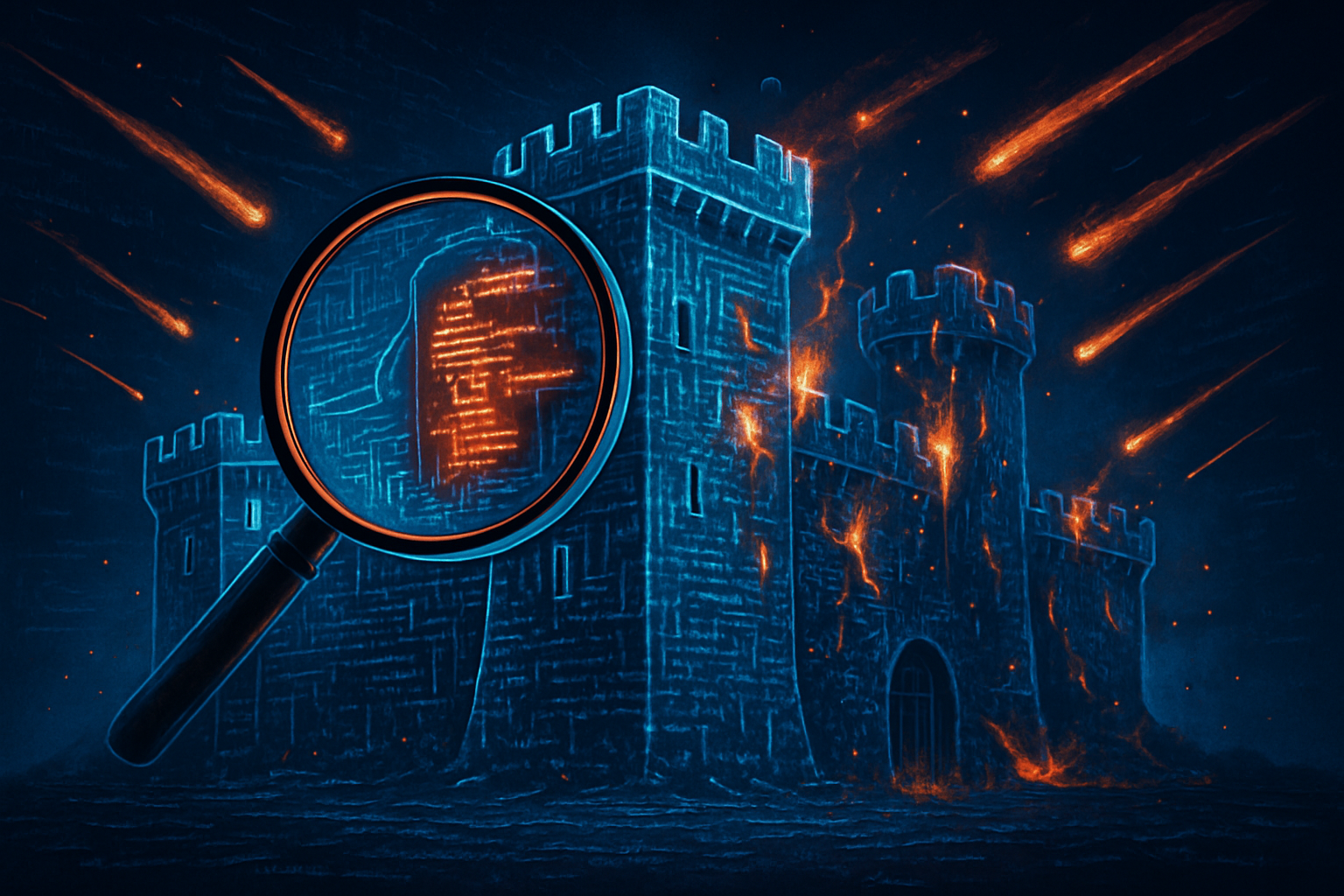
Here’s where things get murky. OpenAI and Anthropic aren’t exactly thrilled with DeepSeek’s methods. They’re throwing around accusations of “distillation,” a technique where new models are trained using the outputs of existing, more advanced models. Think of it like a student copying the answers from the smartest kid in class. It might get you a good grade, but is it really learning? And more importantly, is it fair?

The implications are significant. If DeepSeek is indeed relying heavily on distillation, it could be a way to circumvent U.S. export controls that restrict access to cutting-edge AI technology. It raises serious ethical questions about intellectual property, fair competition, and the very integrity of AI development. Are we entering an era where AI models are simply shadows of their predecessors, blurring the lines of originality and innovation?

Building a Great (Technological) Wall: Hardware Independence

The other fascinating angle is hardware. DeepSeek is reportedly using domestic AI chips from Huawei and Cambricon for V4’s development. This is a huge deal. It’s part of China’s broader strategy to become technologically self-sufficient, to wean itself off reliance on Western tech. Think “Made in China 2025,” but for AI. Previous attempts to use domestic hardware have been… let’s just say “challenging,” with reports of performance instability and software limitations. But if DeepSeek has cracked the code (pun intended), it could be a game-changer, giving China a significant advantage in the long run. It’s like building your own Iron Man suit instead of relying on Stark Industries.

The Geopolitical Chessboard and the Future of AI

The release of V4 isn’t just about a better AI model; it’s about power, influence, and the future of the global economy. It underscores China’s rapid progress in AI and positions it as a major competitor to the U.S. The implications are far-reaching, impacting everything from software development to multimedia content creation. Get ready for a world where AI-powered tools are not just developed in Silicon Valley but also in Shenzhen.

But let’s not forget the potential downsides. Increased U.S.-China tensions over technology transfer and intellectual property are almost inevitable. The ethical questions surrounding DeepSeek’s development methods will only intensify. And the potential for misuse of powerful AI models, whether for surveillance, propaganda, or something even more nefarious, remains a constant concern. This isn’t just about algorithms and code; it’s about the kind of future we want to build.

Ultimately, DeepSeek’s V4 is more than just a new AI model; it’s a symbol of a changing world, a world where the lines between East and West are increasingly blurred, and where the future of technology is being shaped by forces far beyond the control of any single company or country. Buckle up; the ride is just beginning.


Discover more from Just Buzz

Subscribe to get the latest posts sent to your email.