Pope’s Tech Sermon: 21st Century Ethics Meets Silicon Salvation

Pope’s Tech Sermon: 21st Century Ethics Meets Silicon Salvation

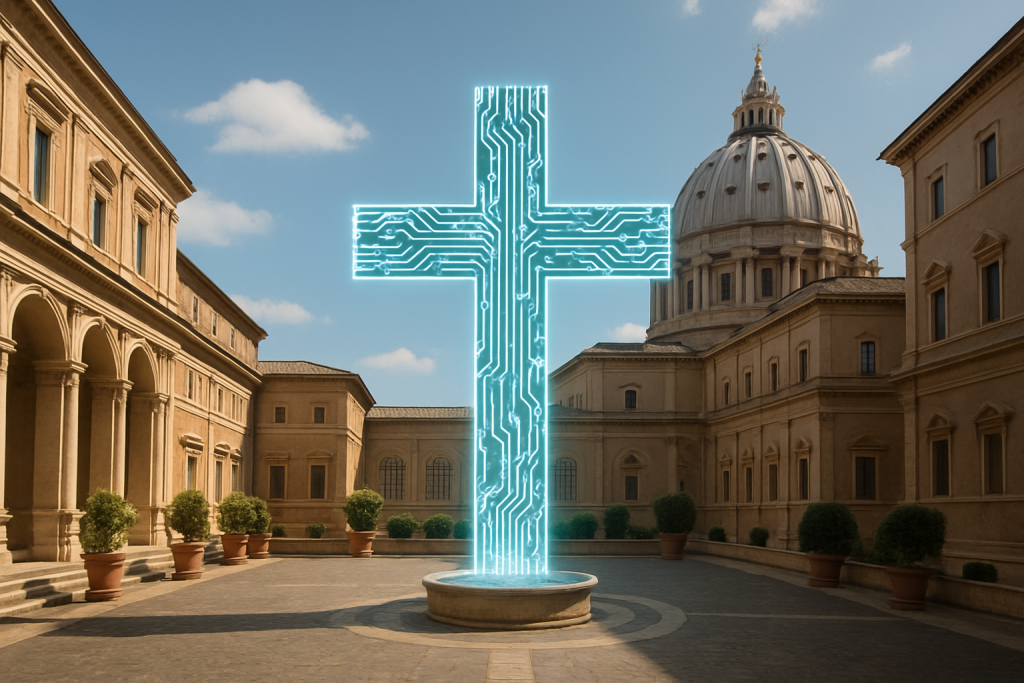
The world held its breath today, May 25th, 2026, as Pope Leo XIV unveiled *Magnifica Humanitas* (“Magnificent Humanity”), his first encyclical. This wasn’t your typical papal pronouncement about, say, the proper way to fold your hymnal. No, this was about something far more 21st-century: the ethical minefield that is artificial intelligence. Forget fire and brimstone; this was silicon and salvation.

For those of you who haven’t been keeping up with papal politics (and let’s be honest, who has?), Pope Leo XIV is a bit of a rockstar. The first American pontiff, he’s known for his progressive stance on social issues and his surprisingly astute understanding of technology. Think of him as the anti-Palpatine. He’s been vocal for years about the potential downsides of unchecked AI development, particularly its use in autonomous weapons and pervasive surveillance. He’s basically been shouting, “Are you not entertained?!” about the dangers of unchecked technological advancement, but instead of gladiators, it’s algorithms.


The encyclical’s release is perfectly timed. We’re at that point where AI is no longer a sci-fi fantasy; it’s woven into the fabric of our daily lives. From the algorithms that curate our social media feeds to the AI doctors diagnosing diseases, these systems are making increasingly important decisions. And that raises some serious questions about who’s in control and what values are being encoded into these digital brains.

So, what exactly does *Magnifica Humanitas* say? The core message, as the title suggests, is about safeguarding human dignity in this AI-driven world. It’s a call to ensure that technology serves humanity, not the other way around. It’s about making sure we don’t end up living in a real-life version of *The Matrix*, only instead of Keanu Reeves, we have slightly-too-helpful chatbots.

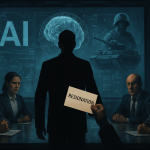
The Vatican pulled out all the stops for the launch. High-ranking Cardinals like Víctor Manuel Fernández, Michael Czerny, and Vatican Secretary of State Pietro Parolin were all in attendance. But here’s the real kicker: Christopher Olah, co-founder of Anthropic, was also there. Yes, that Anthropic, one of the leading AI safety companies. Having a tech titan like Olah present sends a powerful message: the Church isn’t just wagging its finger at Silicon Valley; it’s trying to engage in a constructive dialogue.

The inclusion of Olah is a masterstroke. It’s a signal that the Vatican isn’t just interested in issuing pronouncements from on high. They’re actively seeking input from the people who are building these technologies. It’s like inviting Darth Vader to a Jedi council meeting, except with less lightsaber duels and more nuanced discussions about ethical frameworks.

But why is the Church even weighing in on AI? Well, for starters, the Catholic Church has a long history of grappling with the moral implications of new technologies. From the printing press to the internet, the Church has always sought to understand how these innovations affect human life and society. Plus, let’s be honest, the Church has seen a thing or two over the past couple thousand years. They know a thing or two about power, influence, and the potential for both good and evil.

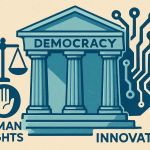
The implications of *Magnifica Humanitas* are far-reaching. This isn’t just a document for Catholics; it’s a message for the entire world. It’s likely to spark intense debate among policymakers, technologists, and ethicists. We can expect to see renewed calls for stronger AI regulations, greater transparency in algorithmic decision-making, and a greater emphasis on ethical considerations in AI development. In short, it’s going to be a catalyst for a much-needed global conversation about the future of AI and its impact on humanity.

Economically, this could mean increased investment in AI safety research, and a potential slowdown in the deployment of certain AI technologies until ethical frameworks are more firmly established. Companies that prioritize ethical AI development could see their reputations enhanced, while those that cut corners could face increased scrutiny and potential backlash. Think of it as the AI equivalent of fair-trade coffee: consumers and investors will increasingly demand ethically sourced algorithms.

But the most profound impact may be philosophical. *Magnifica Humanitas* forces us to confront some fundamental questions about what it means to be human in an age of intelligent machines. What is human dignity? What are our responsibilities to each other and to the planet? And how can we ensure that technology serves our highest aspirations, rather than undermining them? These are questions that will shape the future of our species, and the Pope’s encyclical is a powerful reminder that we need to start grappling with them now.

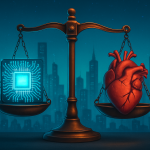
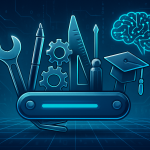
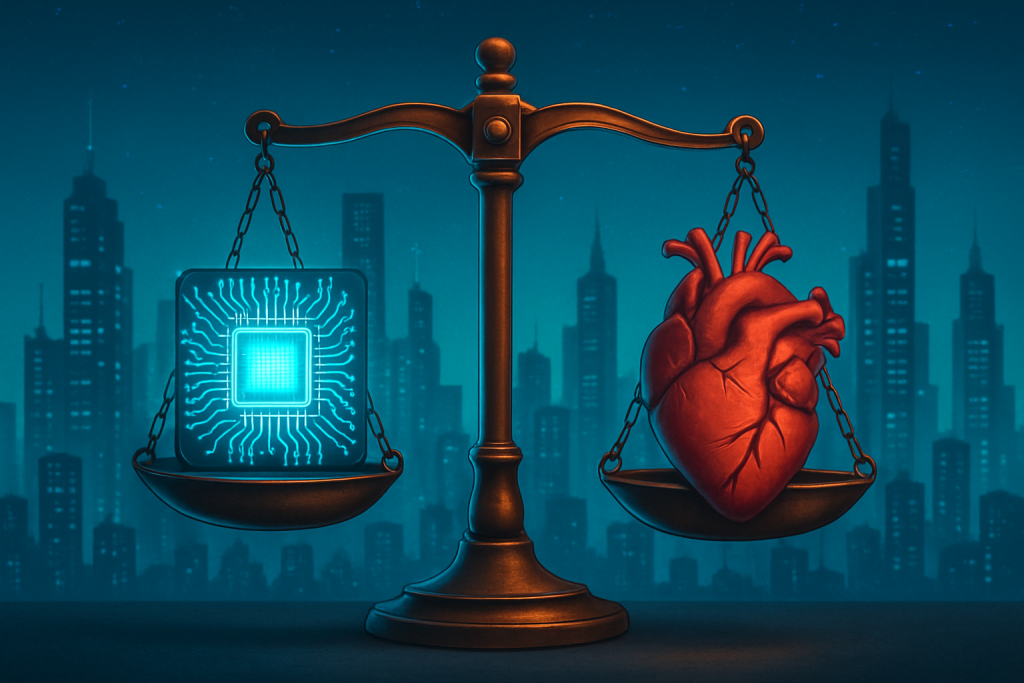
Ultimately, *Magnifica Humanitas* is a call for a more human-centered approach to AI development. It’s a reminder that technology should be a tool for good, not a force for destruction. It’s a plea to remember that even in a world of algorithms and data, the human heart still matters. And that, my friends, is a message worth listening to.


Discover more from Just Buzz

Subscribe to get the latest posts sent to your email.