$4.75 Billion: Alphabet’s Power Play in the AI Infrastructure Game

$4.75 Billion: Alphabet’s Power Play in the AI Infrastructure Game

The news dropped like a perfectly optimized, AI-generated beat: Alphabet, the company that brought you Google, self-driving cars that (mostly) drive themselves, and the existential dread of knowing all your search history is meticulously cataloged, is buying Intersect. Not just any company, mind you, but a titan of energy infrastructure. The price tag? A cool $4.75 billion, paid in cold, hard, digital cash. It’s December 23, 2025, and the future, as predicted in countless cyberpunk novels, is powered by algorithms and very, very big data centers.

But before we dive headfirst into the swirling vortex of implications, let’s rewind a bit. Remember the days when data centers were just…rooms full of servers? Quaint, right? Now, they’re the beating hearts of the AI revolution, demanding more power than small countries. Think of them as the Colossus of Rhodes for the digital age, only instead of guarding a harbor, they’re guarding the secrets to personalized ad targeting and the next generation of AI overlords. And those AI overlords? They’re hungry. Hungry for data, for processing power, and, crucially, for energy.

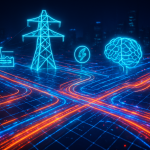
That’s where Intersect comes in. They’re not just building power plants; they’re crafting the very arteries that feed the AI beast. Think of them as the Stark Industries of the energy sector, minus the billionaire playboy philanthropist (as far as we know). They specialize in creating efficient, sustainable energy solutions, exactly the kind of thing a company like Alphabet, acutely aware of its carbon footprint and increasingly vocal about its green initiatives, desperately needs.

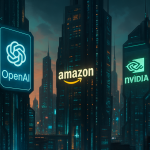
The acquisition is more than just a good PR move, though. It’s a strategic checkmate in the ongoing AI arms race. Alphabet, Microsoft, Amazon- they’re all vying for dominance in the AI landscape, and the battlefield is increasingly shifting from algorithms to infrastructure. It’s no longer enough to have the smartest AI; you need the capacity to actually run it. Imagine having the world’s fastest race car but no gas station to fill it up. That’s the problem Alphabet is solving with this acquisition.

So, what does this actually mean for the average person, besides the vague sense that robots are getting closer to taking over? Well, for starters, it means that the AI-powered services you already use- from Google Assistant to those eerily accurate product recommendations- will likely become faster, more reliable, and even more integrated into your life. Think of it as upgrading from dial-up internet to fiber optic, but for your brain (metaphorically speaking, of course… mostly).

But there’s also a darker side, as there always is with these kinds of advancements. More powerful AI requires more data, which means more surveillance, more data collection, and more potential for misuse. It’s the classic Spider-Man dilemma: with great power comes great responsibility. And the question remains: are we, as a society, ready to handle that responsibility? Can we ensure that this enhanced AI infrastructure is used for good, and not for… well, Skynet?

The political and regulatory implications are also significant. As these tech giants amass ever-greater control over essential infrastructure, governments are going to be forced to grapple with questions of antitrust, data privacy, and the balance of power between corporations and citizens. Remember when Net Neutrality was a hot topic? Get ready for “AI Infrastructure Neutrality,” because the stakes are about to get a whole lot higher.

And let’s not forget the financial impact. This acquisition is a vote of confidence in the future of AI, and it’s likely to spur further investment in the sector. We can expect to see a surge in demand for skilled AI engineers, data scientists, and, yes, even energy infrastructure specialists. The AI gold rush is on, and Alphabet just bought the biggest shovel in the store.

Ultimately, Alphabet’s acquisition of Intersect is a watershed moment. It’s a clear signal that AI is no longer just a buzzword; it’s a fundamental force reshaping our world. And as we stand on the cusp of this new era, it’s crucial that we ask ourselves: what kind of future do we want to build with this technology? Are we building a utopia, or a dystopia? The answer, as always, is up to us.



Discover more from Just Buzz

Subscribe to get the latest posts sent to your email.